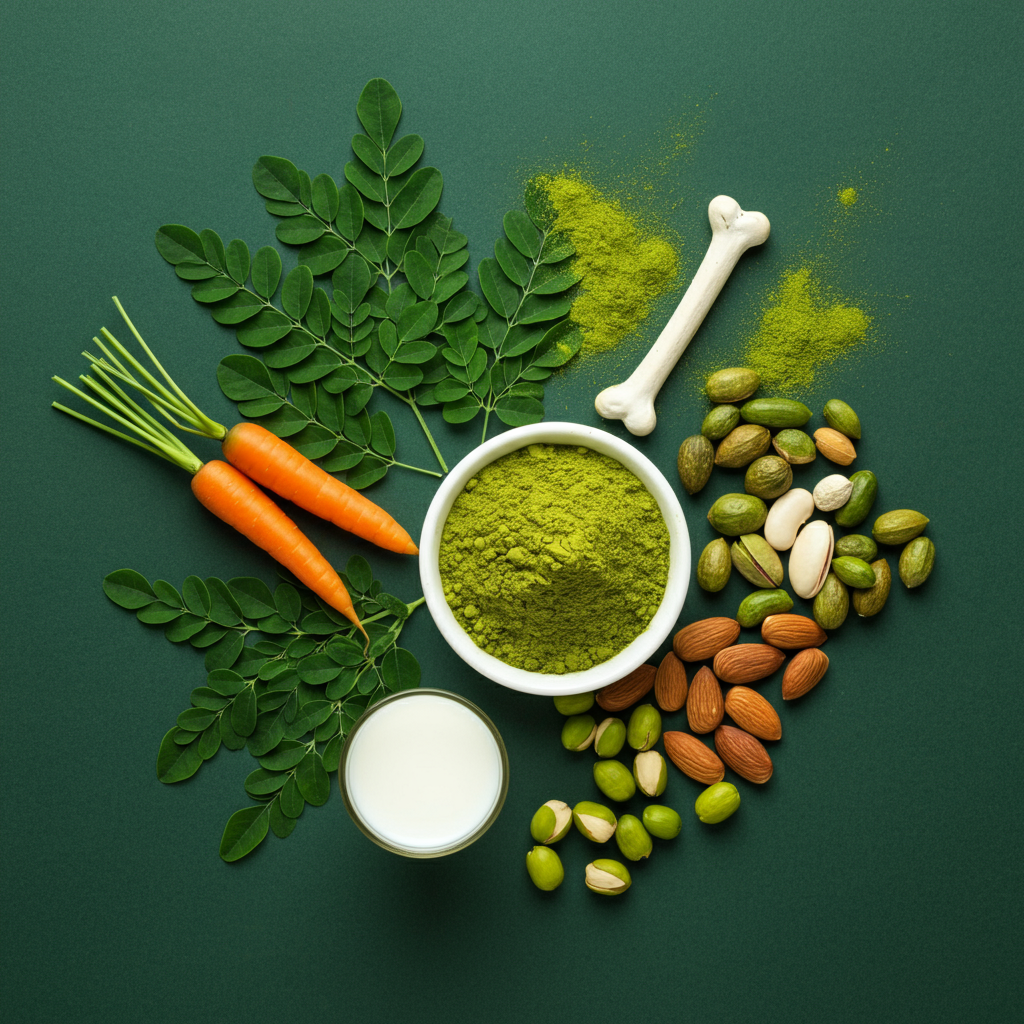
The Nutritional Profile of Moringa: A Deep Dive
In the world of health and wellness, the term “superfood” is often used to describe ingredients packed with exceptional nutritional value. Few plants embody this title as completely as Moringa oleifera. Often called the “Miracle Tree,” this humble plant has been used for centuries in traditional medicine, but only recently has modern science begun to fully map its incredible nutritional profile.
Moringa is not just another green powder; it is a nutritional powerhouse. Its leaves contain a dense and diverse array of vitamins, minerals, antioxidants, and a complete protein profile that is incredibly rare in the plant world. This deep dive will explore the comprehensive nutritional content of Moringa, explaining precisely why it has earned its reputation as one of nature’s most potent supplements.
A Complete Plant-Based Protein Source
One of the most remarkable aspects of Moringa is its protein content. While many plants contain protein, they are often “incomplete,” meaning they lack one or more of the nine essential amino acids that our bodies cannot produce on their own. These amino acids are the building blocks of life, essential for everything from muscle repair and hormone production to immune function.
Moringa leaf powder is a complete protein, containing all nine essential amino acids in a bioavailable form. This makes it an invaluable resource for anyone following a plant-based diet, as well as for athletes and individuals looking to increase their protein intake naturally. Gram for gram, Moringa powder contains more protein than spinach and kale, offering a simple way to boost the protein content of smoothies, soups, and other meals.
The nine essential amino acids found in Moringa are:
- Histidine: Important for growth and tissue repair.
- Isoleucine: Crucial for muscle metabolism and hemoglobin production.
- Leucine: Plays a key role in protein synthesis and muscle growth.
- Lysine: Essential for hormone production and calcium absorption.
- Methionine: Provides sulfur and other compounds required for metabolism and growth.
- Phenylalanine: A precursor for neurotransmitters like dopamine and adrenaline.
- Threonine: Important for fat metabolism and immune function.
- Tryptophan: A precursor to serotonin, which regulates mood and sleep.
- Valine: Necessary for muscle growth and energy production.
A Treasure Trove of Essential Vitamins
Moringa is a vibrant green color for a reason—it is bursting with vitamins that are crucial for daily health and vitality. Its leaves are a particularly rich source of several key vitamins that often fall short in modern diets.
Vitamin A (from Beta-Carotene)
Moringa is an exceptional source of beta-carotene, a precursor that the body converts into Vitamin A. This vitamin is vital for maintaining healthy vision, supporting a robust immune system, and ensuring proper cell growth. The high concentration of beta-carotene in Moringa helps protect eye health and enhances the body’s ability to fight off infections.
Vitamin C
While citrus fruits are famous for their Vitamin C content, Moringa leaves are also an excellent source. Vitamin C is a powerful antioxidant that protects the body from free radical damage, supports collagen production for healthy skin, and boosts the immune system. The Vitamin C in Moringa also works synergistically with its iron content, enhancing iron absorption.
B Vitamins
Moringa contains a range of B vitamins, including B1 (thiamine), B2 (riboflavin), B3 (niacin), and B6 (pyridoxine). These vitamins are the spark plugs of our metabolism, helping to convert food into energy. They play a critical role in brain function, red blood cell formation, and maintaining energy levels throughout the day, making Moringa a natural, caffeine-free energy booster.
Packed with Vital Minerals
Modern diets are often deficient in essential minerals, leading to issues like fatigue, poor bone health, and electrolyte imbalances. Moringa provides a wealth of plant-based minerals that are easily absorbed by the body.
Iron
Fatigue and low energy are common symptoms of iron deficiency, which is one of the most widespread nutritional deficiencies globally. Moringa is an outstanding plant-based source of iron. Unlike some other plant sources, the iron in Moringa is highly bioavailable, especially when consumed with its natural co-factor, Vitamin C. Regular intake can help combat anemia and boost overall energy and focus.
Calcium
We are often told to drink milk for calcium, but Moringa offers a potent, dairy-free alternative. Gram for gram, Moringa leaves contain more calcium than milk. This mineral is essential for building and maintaining strong bones and teeth, as well as for proper nerve function and muscle contraction.
Potassium
Potassium is a crucial electrolyte that helps regulate fluid balance, nerve signals, and muscle contractions. It is also vital for maintaining healthy blood pressure by counteracting the effects of sodium. Moringa is a rich source of potassium, helping to support cardiovascular health and overall cellular function.
A Symphony of Antioxidants and Phytonutrients
Beyond its macro and micronutrients, Moringa’s true power lies in its complex array of phytonutrients—bioactive compounds that promote health and protect against disease. Moringa contains over 40 different antioxidant compounds.
These antioxidants neutralize harmful free radicals, which are unstable molecules that cause oxidative stress. This stress is a major contributor to aging and chronic conditions like heart disease and diabetes. Key antioxidants in Moringa include:
- Quercetin: A powerful antioxidant with anti-inflammatory properties that may help lower blood pressure.
- Chlorogenic Acid: Helps to moderate blood sugar levels after meals.
- Beta-carotene, Vitamin C, and Vitamin E: A classic antioxidant trio that protects cells from damage.
How to Incorporate Moringa Into Your Diet
With such a dense nutritional profile, a little Moringa goes a long way. The powder has a pleasant, earthy taste similar to spinach or matcha, making it easy to add to your daily routine.
Here are a few simple ideas:
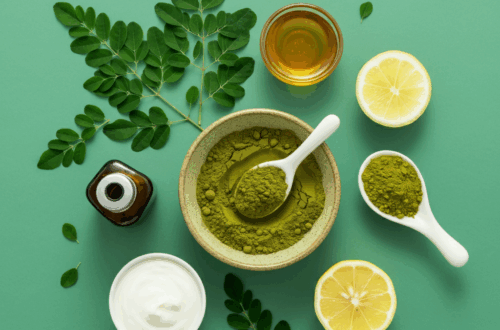
- Morning Smoothie: Blend one or two teaspoons into your favorite fruit and vegetable smoothie for a powerful nutritional kickstart.
- Green Juice: Stir a teaspoon into a glass of orange, apple, or green juice.
- Soups and Sauces: Mix Moringa powder into warm soups, stews, or pasta sauces just before serving to preserve its delicate nutrients.
- Salad Dressing: Whisk a teaspoon into a vinaigrette to add a nutrient boost to your salads.
- Yogurt and Oats: Stir Moringa powder into a bowl of yogurt or oatmeal for an easy breakfast upgrade.
The Complete Superfood
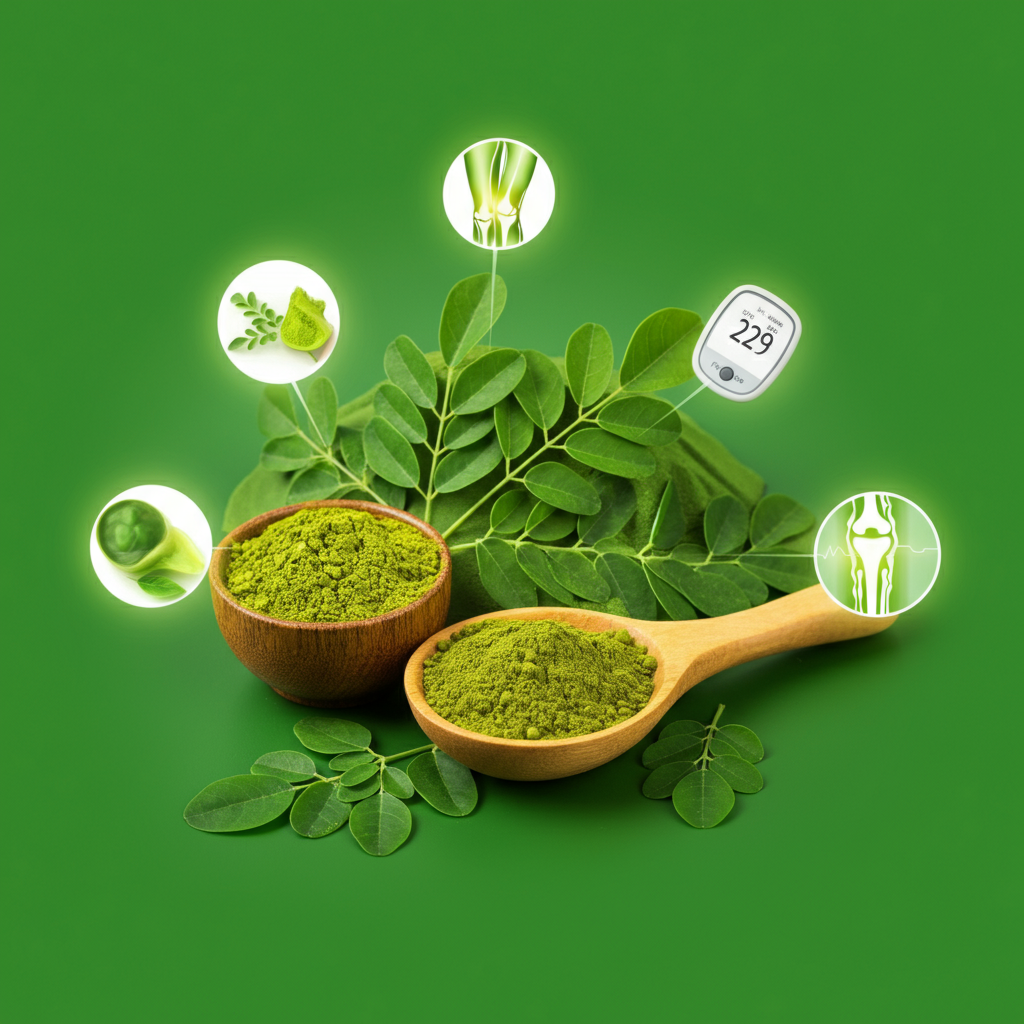
The nutritional profile of Moringa is truly remarkable. It’s a rare example of a single plant source that provides complete protein, a full spectrum of essential vitamins and minerals, and a powerful arsenal of antioxidants. Its unique composition supports everything from energy and immunity to bone health and inflammation management.
In a world of specialized supplements, Moringa stands out as a holistic, all-in-one solution for foundational nutrition.
Ready to experience the comprehensive benefits of this nutritional powerhouse for yourself?
Click here to buy premium Moringa online and start nourishing your body from the inside out!