The Benefits of Plant-Based Diets for Long-Term Health
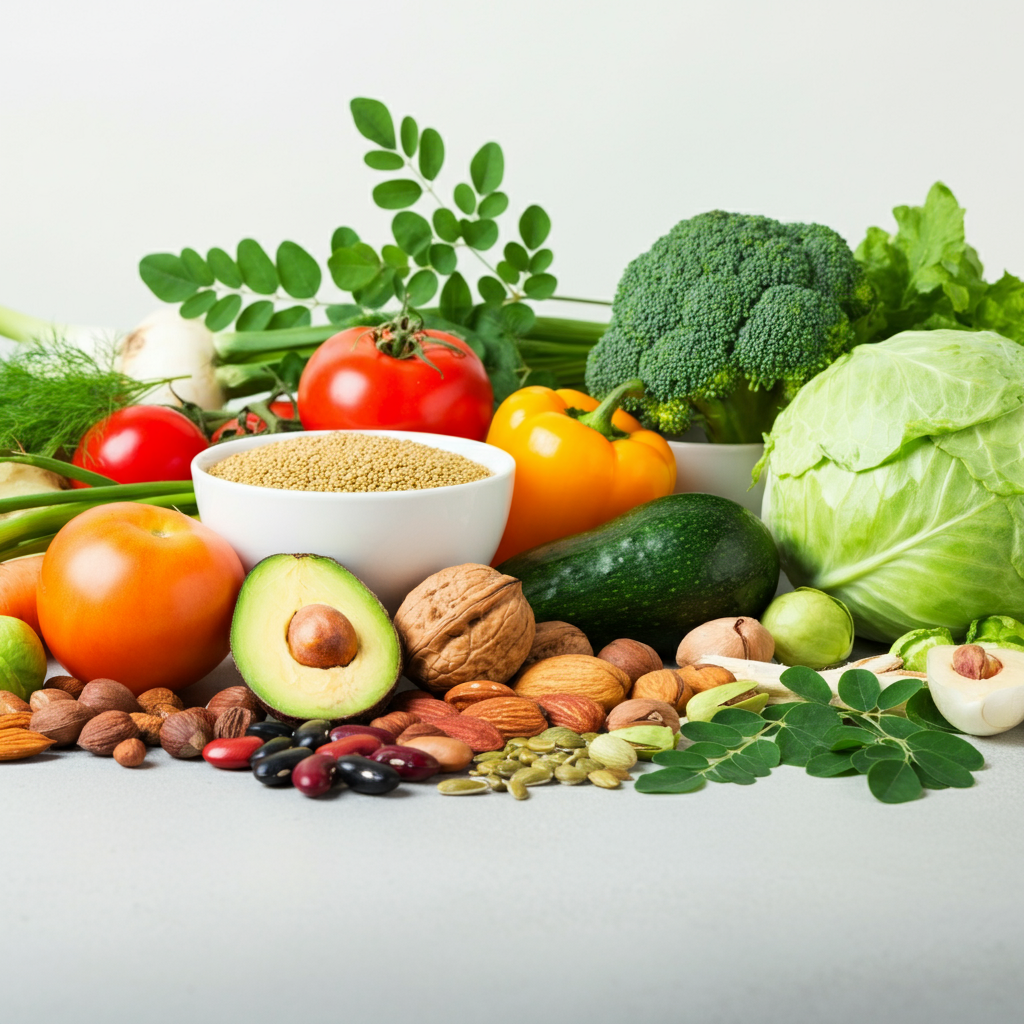
The way we eat has a profound impact on our well-being, influencing everything from our daily energy levels to our risk of future health issues. In recent years, plant-based diets have gained significant attention not as a fleeting trend, but as a sustainable and powerful approach to fostering long-term health. This way of eating focuses on whole, minimally processed foods derived from plants, including fruits, vegetables, whole grains, legumes, nuts, and seeds.
Shifting towards a plant-centric plate isn’t about rigid restrictions or all-or-nothing rules. Instead, it’s about intentionally incorporating more of nature’s most nutrient-dense foods into your diet. The benefits extend beyond personal health, touching on environmental sustainability and a deeper connection to the food we eat.
This article will explore the compelling advantages of adopting a plant-based diet for long-term health and provide simple, actionable steps to help you start your journey.
Reducing the Risk of Chronic Diseases
One of the most well-documented benefits of a plant-based diet is its powerful role in preventing and managing chronic diseases. Many of the most common health conditions today, such as heart disease, type 2 diabetes, and certain cancers, are closely linked to diet and lifestyle.
Heart Health
Plant-based diets are naturally low in saturated fat and cholesterol, which are major contributors to heart disease. At the same time, they are rich in heart-protective nutrients:
- Fiber: Soluble fiber, found in oats, beans, and apples, helps lower LDL (“bad”) cholesterol levels.
- Potassium: Found in bananas, sweet potatoes, and spinach, potassium helps to regulate blood pressure.
- Antioxidants: Abundant in berries, leafy greens, and colorful vegetables, antioxidants combat inflammation, a key driver of atherosclerosis (the hardening of arteries).
Type 2 Diabetes
A diet centered on whole plant foods can significantly improve insulin sensitivity and help manage blood sugar levels. The high fiber content slows the absorption of sugar into the bloodstream, preventing the sharp spikes and crashes that can strain the body’s insulin response. Studies have shown that individuals following plant-based diets have a substantially lower risk of developing type 2 diabetes.
Supporting Healthy Weight Management
Maintaining a healthy weight is crucial for long-term health, as it reduces stress on your joints, heart, and metabolic system. Plant-based diets can be a highly effective tool for achieving and maintaining a healthy weight without feeling deprived.
Plant foods are typically lower in calorie density than animal products and highly processed foods. This means you can eat larger, more satisfying portions for fewer calories. The high fiber and water content in fruits, vegetables, and whole grains promote feelings of fullness (satiety), which helps to naturally regulate appetite and reduce overall calorie intake. By focusing on nutrient-dense whole foods, you nourish your body while making weight management feel more effortless.
Improving Digestion and Gut Health
Your digestive system is home to a complex ecosystem of trillions of microbes known as the gut microbiome. The health of this microbiome is fundamental to overall wellness, influencing everything from your immune system to your mood. A plant-based diet is one of the best ways to foster a healthy gut.
Dietary fiber, which is found exclusively in plant foods, acts as a prebiotic. This means it provides the fuel that your beneficial gut bacteria need to thrive. A diverse intake of plant foods—from legumes and whole grains to various fruits and vegetables—promotes a diverse and resilient microbiome. This, in turn, leads to better digestion, reduced bloating, regular bowel movements, and a stronger gut barrier.
Key Nutrients in a Plant-Based Diet
A common concern when transitioning to a plant-based diet is whether it provides all the necessary nutrients. A well-planned plant-based diet can be exceptionally rich in essential vitamins, minerals, and other health-promoting compounds.
- Plant Protein: Legumes (beans, lentils, chickpeas), tofu, tempeh, quinoa, nuts, and seeds are all excellent sources of protein. Combining different plant protein sources throughout the day ensures you get all nine essential amino acids.
- Fiber: Crucial for digestive health, blood sugar control, and maintaining a healthy weight.
- Antioxidants and Phytonutrients: These powerful compounds, found in colorful plant foods, protect your cells from damage, reduce inflammation, and support immune function.
- Healthy Fats: Avocados, nuts, seeds, and olive oil provide unsaturated fats that are vital for brain health and reducing inflammation.
Tips for Transitioning to a Plant-Based Diet
Making the shift to a plant-based lifestyle can be a gradual and enjoyable process. Here are a few practical tips to get you started:
- Start with Meatless Mondays: Begin by dedicating one day a week to eating entirely plant-based meals. This allows you to explore new recipes and ingredients without feeling overwhelmed.
- Rethink Your Plate: Instead of making meat the centerpiece, build your meals around whole grains, legumes, and vegetables. Think of animal products as a small side or garnish, if you include them at all.
- Experiment with Plant-Based Proteins: Swap ground beef for lentils in pasta sauce, use chickpeas instead of chicken in a curry, or try making black bean burgers. There are countless delicious and satisfying alternatives.
- Embrace Whole Foods: Focus on eating foods in their most natural state. Choose brown rice over white, whole-wheat bread over white, and snack on fresh fruit instead of packaged sweets.
- Supercharge Your Meals with Moringa: As you increase your intake of plants, superfoods like Moringa can help fill any nutritional gaps and enhance the benefits of your diet. Moringa is a complete plant protein and is packed with iron, calcium, and vitamins A and C. Adding a teaspoon of Moringa powder to a smoothie or soup is an easy way to boost your nutrient intake and support your energy levels on your plant-based journey.
A Sustainable Choice for You and the Planet
The benefits of a plant-based diet extend beyond your personal health. Animal agriculture is a leading contributor to greenhouse gas emissions, deforestation, and water usage. By choosing to eat more plants, you reduce your environmental footprint and contribute to a more sustainable food system for future generations.
Embrace a More Vibrant, Healthier Future
A plant-based diet is not about deprivation; it is about abundance. It’s an invitation to explore a wide variety of delicious, nourishing foods that support your health from the inside out. By focusing on plants, you are making a powerful investment in your long-term vitality and the health of the planet.
Ready to enhance your plant-based lifestyle with one of nature’s most complete superfoods?