Is Moringa Safe for Kids? A Parent’s Guide
As a parent, you are constantly thinking about your child’s health and well-being. Ensuring they get all the essential nutrients for proper growth and development is a top priority, but it’s not always easy. Between picky eating phases, busy schedules, and the prevalence of processed snacks, it can feel like a daily battle to provide a balanced diet. This has led many parents to look for natural, whole-food supplements to help fill in the nutritional gaps. One superfood that is gaining attention is Moringa oleifera.
You may have heard about Moringa for its benefits for adults, but what about for children? The question on every parent’s mind is a crucial one: Is Moringa safe for kids? The short answer is yes, when used correctly, Moringa can be a wonderfully beneficial addition to a child’s diet. This guide will walk you through the safety, benefits, and practical ways to introduce this nutritional powerhouse to your little ones.
Why Children’s Nutrition is So Important
Childhood is a time of incredible growth. Bones are lengthening, brains are developing at a rapid pace, and immune systems are learning to defend the body. This period of intense development requires a high intake of vitamins, minerals, protein, and healthy fats.
However, many children fall short of their nutritional needs. Picky eating can lead to a diet that is low in vegetables and high in “empty calories.” This can result in:
- Nutritional Gaps: Deficiencies in key nutrients like iron, calcium, and Vitamin A can impact growth and energy levels.
- Weakened Immunity: A diet lacking in vitamins can make children more susceptible to frequent colds and infections.
- Low Energy and Poor Concentration: Unstable blood sugar from processed foods can affect a child’s mood, energy, and ability to focus in school.
Supplementing with a nutrient-dense whole food like Moringa can provide a natural safety net, helping to ensure your child’s growing body gets the support it needs.
The Benefits of Moringa for Growing Kids
Moringa is not just a supplement; it’s a food. The leaves are packed with a remarkable concentration of nutrients that are essential for a growing child. Here’s how it can support your child’s health.
1. A Powerhouse of Essential Nutrients
Children have high nutrient requirements to fuel their rapid growth. Moringa offers a bioavailable, whole-food source of many of these key vitamins and minerals:
- Iron: Essential for preventing anemia, carrying oxygen to the brain and muscles, and supporting energy levels. Many children, especially picky eaters, don’t get enough iron.
- Calcium: Crucial for building strong bones and teeth during their peak development years. Moringa contains more calcium than milk, making it an excellent source for kids.
- Vitamin A: Important for healthy vision, immune function, and skin. Moringa is a rich source of beta-carotene, which the body converts to Vitamin A.
- Protein: Moringa is a complete protein, providing all the essential amino acids needed for building muscles, organs, and tissues.
2. A Natural Boost for the Immune System
Are you tired of your child bringing home every bug from school or daycare? A strong immune system is their best defense. Moringa is loaded with immune-boosting compounds like Vitamin C and Vitamin A, along with a host of antioxidants. These nutrients help strengthen the body’s natural defenses, stimulating the production of white blood cells that fight off germs. A regular intake of Moringa can help make your child more resilient to common illnesses.
3. Supports Brain Development and Concentration
The nutrients in Moringa are also vital for brain health. The iron content helps ensure that the brain receives plenty of oxygen, which is critical for focus, memory, and cognitive function. Furthermore, the antioxidants in Moringa help protect delicate brain cells from damage. For school-aged children, this can translate into better concentration in the classroom and improved learning.
4. Promotes Healthy Digestion
Moringa leaves contain fiber, which helps promote regular bowel movements and maintain a healthy digestive system. This can be particularly helpful for children who struggle with constipation. The anti-inflammatory properties of Moringa can also help to soothe the digestive tract and create a healthy gut environment.
Safety and Dosage: What Parents Need to Know
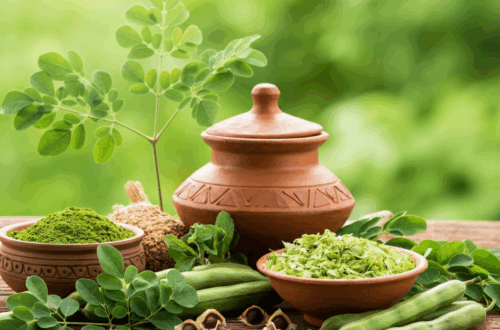
When introducing any new food or supplement to a child, caution is key. The most important thing to remember is that only the Moringa leaves (powder or capsules) and cooked pods are considered safe for consumption. The roots, bark, and flowers of the Moringa tree contain compounds that are not suitable for children or pregnant women and should be avoided. Always source your Moringa powder from a reputable supplier to ensure it is pure and free from contaminants.
Dosage Recommendations:
A little Moringa goes a long way, especially for small bodies. It’s best to start with a very small amount and observe how your child responds.
- Toddlers (1-3 years): Start with a tiny pinch (about 1/8 of a teaspoon) daily.
- Young Children (4-8 years): You can gradually increase to about 1/4 to 1/2 teaspoon per day.
- Older Children (9+ years): Up to one teaspoon per day is generally considered safe.
Important Note: Always consult with your pediatrician or a qualified healthcare provider before adding Moringa or any new supplement to your child’s diet, especially if your child has any existing health conditions or is taking medication.
Kid-Friendly Ways to Add Moringa to Their Diet
The taste of Moringa powder is earthy and green, similar to spinach. Some kids might not mind it, but for picky eaters, you’ll need to be a bit creative. The goal is to mix it into foods they already love.
- Hide it in a Smoothie: This is the easiest method. Blend a small amount of Moringa powder into a fruit smoothie with banana, berries, or mango. The sweet fruit will completely mask the taste.
- Mix into Sauces and Soups: Stir a pinch of Moringa into tomato sauce for pasta, a hearty vegetable soup, or even macaroni and cheese.
- “Hulk” Pancakes or Muffins: Add a little Moringa powder to your pancake or muffin batter for a fun, green-colored treat packed with extra nutrition.
- Stir into Yogurt or Oatmeal: Mix a small amount into your child’s morning yogurt or oatmeal. A little honey or fruit can help balance the flavor.
- Homemade Guacamole: Moringa blends perfectly into guacamole, adding a nutritional punch to a kid-friendly dip.
A Natural Step for Your Child’s Health
Providing your child with the best nutritional start is one of the greatest gifts you can give them. While a balanced diet of whole foods is always the priority, Moringa can serve as a powerful and natural nutritional insurance policy. It helps fill in the gaps, boosts their immunity, and supports their incredible growth and development.
By choosing a high-quality, pure Moringa leaf product, you can feel confident that you are giving your child a safe and effective tool for lifelong health.
Ready to give your child the nutritional advantage of this amazing superfood?
Click here to buy Moringa online and make it a part of your family’s wellness routine!