The Cultural Significance of Moringa Around the World
The Moringa oleifera tree is widely celebrated today as a modern superfood, packed into capsules, powders, and teas for health-conscious consumers globally. But long before it graced the shelves of wellness stores, this remarkable plant, often called the “Miracle Tree,” held a deep and significant place in cultures across the globe. For centuries, communities in Asia, Africa, and the Caribbean have relied on Moringa not just as a source of food, but as a cornerstone of traditional medicine, a symbol of resilience, and an integral part of daily life.
To truly appreciate Moringa, we must look beyond its nutritional label and explore the rich tapestry of its history. Its journey from a humble backyard tree to a global phenomenon is rooted in the ancient wisdom and cultural practices of the people who first discovered its incredible value. This post will take you on a journey across continents to uncover the profound cultural significance of Moringa and celebrate its legacy as a true gift from nature.
South Asia: The Ayurvedic Healer and Culinary Staple
The story of Moringa often begins in the foothills of the Himalayas in India, where it has been a vital part of life for thousands of years. In the ancient Indian system of medicine, Ayurveda, Moringa is revered as a potent healer capable of preventing or treating hundreds of ailments. Known in Sanskrit as Shigru, which means “arrow” for its ability to penetrate deep into the tissues, every part of the tree—from its leaves and pods to its roots and bark—was utilized for its therapeutic properties.
Ayurvedic practitioners have traditionally used Moringa to:
- Balance the body’s doshas (energies).
- Boost vitality and combat fatigue.
- Purify the blood and detoxify the body.
- Reduce inflammation and support joint health.
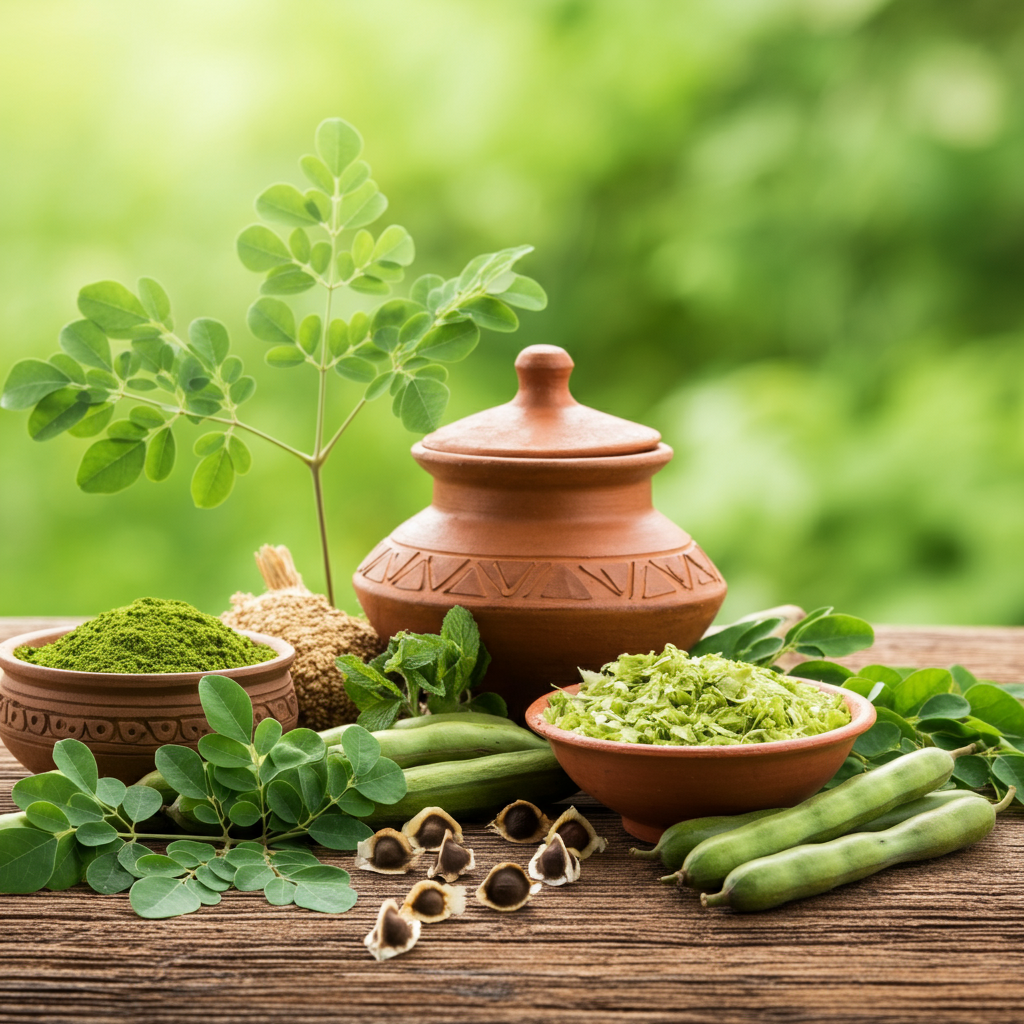
Beyond its medicinal role, Moringa is a beloved ingredient in South Asian cuisine. In India, the long, slender pods of the tree, known as “drumsticks,” are a key component of many regional dishes. They are famously used in sambar, a flavorful lentil stew from South India, and are added to curries and soups, providing a unique texture and absorbing the surrounding spices. The leaves, or murungai keerai, are stir-fried with coconut and spices, offering a delicious and incredibly nutritious side dish. This culinary integration ensures that the plant’s health benefits are woven into the very fabric of daily meals.
Africa: The Tree of Life and A Lifeline for Nutrition
Across the African continent, Moringa has earned the title “Tree of Life” for its incredible resilience and its ability to thrive in arid, challenging climates where other food sources are scarce. For countless communities, Moringa has been a lifeline, providing essential nutrition and serving as a sustainable solution to malnutrition, particularly among infants and nursing mothers. Its leaves are exceptionally rich in protein, iron, and calcium, making it a critical food source.
In many parts of West Africa, such as Senegal and Nigeria, Moringa leaves are a common part of the local diet. The leaves are often dried and ground into a powder, which can be easily stored and added to porridges, sauces, and soups to enrich their nutritional content without significantly altering the taste. This practice is a simple yet powerful way to fortify meals and combat nutrient deficiencies.
The cultural importance of Moringa in Africa extends to its role as a community resource. Organizations and local leaders have promoted its cultivation as a way to empower families, improve food security, and create economic opportunities. The tree’s ability to grow quickly with minimal water makes it an accessible and sustainable crop for small-scale farmers. In this context, Moringa represents hope, resilience, and the power of nature to provide for its people.
The Philippines: A National Vegetable and Childhood Staple
In the Philippines, Moringa, known locally as malunggay, holds a special place in the nation’s heart and cuisine. It is so cherished that it has been hailed as a “National Vegetable.” Its leaves are ubiquitous in Filipino cooking and are one of the first green vegetables introduced to children. Many Filipino backyards feature a malunggay tree, ensuring a fresh, free supply of nutritious leaves is always within reach.
The most iconic dish featuring malunggay is tinola, a comforting chicken and ginger soup. The leaves are added toward the end of the cooking process, wilting into the broth and infusing it with their nutrients. This soup is traditionally given to nursing mothers to help boost their milk supply, a practice supported by modern science, which recognizes Moringa as a galactagogue (a substance that promotes lactation).
The cultural significance of malunggay is embedded in Filipino family life. It is seen as a symbol of a mother’s care and a source of accessible, everyday wellness. Its presence in daily meals is a testament to a long-standing tradition of using local, natural resources to maintain health and vitality from a young age.
The Caribbean: A Taste of the Islands and a Traditional Remedy
In the Caribbean, from Jamaica to Haiti, Moringa has been integrated into both the local cuisine and traditional “bush medicine.” Known by various names, including “drumstick tree” and “ben oil tree,” it is valued for its versatility and health-giving properties. The leaves are often steamed and eaten like spinach or brewed into a restorative tea.
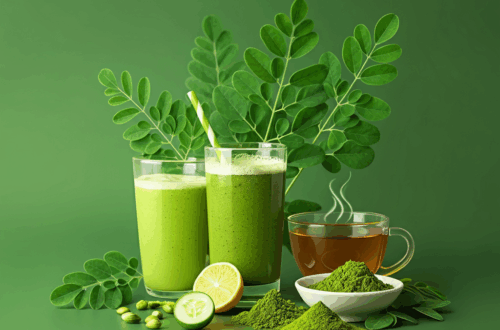
This “Moringa tea” is a popular folk remedy used to treat a wide range of conditions, from high blood pressure and diabetes to the common cold. It is seen as a general wellness tonic, a way to cleanse the body and boost energy. The practice of brewing medicinal teas from local plants is a deeply ingrained part of Caribbean culture, and Moringa is a prominent herb in this tradition.
The pods and seeds are also used, though less commonly than the leaves. The oil extracted from the seeds, known as ben oil, has been historically prized for its use in cosmetics and as a base for perfumes due to its stability and neutral scent.
A Global Treasure with Universal Value
From the ancient Ayurvedic texts of India to the bustling markets of West Africa and the family kitchens of the Philippines, Moringa oleifera is far more than just a plant. It is a symbol of healing, sustenance, and cultural heritage. Its journey through history reveals a universal human connection to nature and a shared wisdom in recognizing its profound ability to nourish and heal.
As we incorporate this ancient superfood into our modern lives, we are not just boosting our health; we are participating in a global tradition that spans millennia. We are connecting with the stories and practices of cultures that have long understood the true meaning of the “Miracle Tree.”
Ready to experience the benefits of this culturally rich superfood for yourself?