The Connection Between Gut Health and Overall Wellness
We often think of our gut as just a part of our digestive system, responsible for processing the food we eat. While that’s true, a growing body of scientific research reveals that the health of your gut is linked to nearly every aspect of your overall well-being. From your mood and energy levels to the strength of your immune system, the intricate world inside your digestive tract plays a crucial role.
This internal ecosystem, known as the gut microbiome, is home to trillions of microorganisms, including bacteria, viruses, and fungi. Maintaining a healthy balance of these microbes is fundamental to feeling your best. When this balance is right, your body thrives. When it’s off, it can contribute to a host of health issues.
Understanding the profound connection between your gut and your overall health is the first step toward making choices that foster wellness from the inside out. Let’s explore how a healthy gut influences your body and discover simple, actionable ways to support it.
Your Gut: The Epicenter of Health
Your gut microbiome is like a bustling city of microscopic organisms. In a healthy gut, beneficial bacteria work in harmony to perform essential functions. They help break down food your body can’t digest on its own, produce vital nutrients like certain B vitamins and vitamin K, and communicate with your immune system.
However, factors like a poor diet, stress, lack of sleep, and certain medications can disrupt this delicate balance. This disruption, called dysbiosis, allows harmful bacteria to outnumber the beneficial ones, leading to inflammation and a cascade of negative health effects.
The Gut-Immunity Connection
Did you know that approximately 70% of your immune system resides in your gut? The gut wall acts as a critical barrier, deciding what gets absorbed into your bloodstream and what stays out. A healthy gut microbiome helps to fortify this barrier, preventing harmful pathogens and toxins from “leaking” through.
Beneficial gut bacteria also “train” your immune cells to differentiate between friendly microbes and harmful invaders. When your gut is in balance, your immune system can mount a swift and effective response to illness without overreacting and causing unnecessary inflammation. A healthy gut is your first and most important line of defense.
The Gut-Brain Axis
Have you ever felt “butterflies” in your stomach when you’re nervous or had a “gut feeling” about something? This isn’t just a metaphor; it’s a real biological connection known as the gut-brain axis. Your gut and brain are in constant communication through a network of nerves, hormones, and chemical messengers.
Your gut microbes produce hundreds of neurochemicals, including about 95% of your body’s serotonin—the “feel-good” neurotransmitter that regulates mood, sleep, and appetite. An imbalanced gut can lead to reduced serotonin production, which has been linked to anxiety, depression, and mood swings. By nurturing your gut, you are also nurturing your mental and emotional well-being.
The Impact on Digestion and Energy
A healthy gut is essential for efficient digestion and nutrient absorption. Beneficial bacteria help break down complex carbohydrates and fiber, extracting the energy and nutrients your body needs to function.
When your gut is imbalanced, you may experience digestive discomfort like bloating, gas, and irregular bowel movements. Poor digestion also means you’re not absorbing all the nutrients from your food, which can lead to fatigue and low energy levels. A well-functioning gut ensures you get the maximum value from the food you eat, directly impacting your daily vitality.
5 Actionable Tips for a Healthier Gut
Improving your gut health doesn’t require a complete lifestyle overhaul. It’s about consistently making small, positive choices. Here are five simple ways to start supporting your microbiome today.
1. Eat More Fiber-Rich Foods
Fiber is the preferred food for your beneficial gut bacteria. It acts as a prebiotic, meaning it fuels the good microbes and helps them flourish. There are two types of fiber, and both are important: soluble fiber (dissolves in water) and insoluble fiber (does not dissolve).
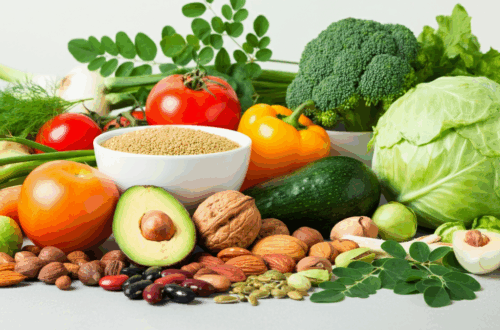
- How to do it: Incorporate a variety of plant-based foods into your diet. Excellent sources of prebiotic fiber include oats, bananas, garlic, onions, asparagus, and legumes.
2. Incorporate Probiotics
Probiotics are live beneficial bacteria that can help restore balance to your gut microbiome. You can find them in fermented foods, where the fermentation process naturally creates these helpful microbes.
- How to do it: Add fermented foods like yogurt (with live and active cultures), kefir, sauerkraut, kimchi, and kombucha to your diet.
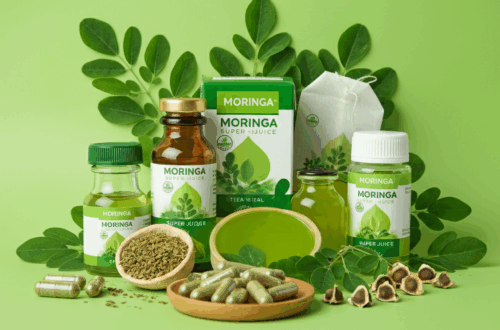
3. Add a Prebiotic Superfood Like Moringa
While fiber is a great prebiotic, certain superfoods offer unique benefits for gut health. Moringa is a powerful green superfood with anti-inflammatory and antibacterial properties that can help create a healthier gut environment. Its fiber content acts as a prebiotic, feeding good bacteria, while its compounds may help inhibit the growth of certain pathogens.
- How to do it: Moringa powder is incredibly versatile. Blend a teaspoon into your daily smoothie, stir it into yogurt, or sprinkle it over a salad. It’s an easy way to give your gut a nourishing boost.
4. Reduce Processed Foods and Sugar
A diet high in processed foods, refined sugars, and artificial sweeteners can feed the harmful bacteria in your gut, leading to dysbiosis and inflammation. These foods lack the fiber and nutrients that beneficial bacteria need to thrive.
- How to do it: Focus on eating whole, unprocessed foods. Swap sugary drinks for water or herbal tea. Cook more meals at home to control the ingredients and reduce your intake of hidden sugars and unhealthy fats.
5. Prioritize Sleep and Manage Stress
Your gut health is not just about what you eat. Chronic stress and poor sleep can negatively impact your microbiome. High levels of the stress hormone cortisol can disrupt the gut barrier and alter the composition of your gut bacteria.
- How to do it: Aim for 7-9 hours of quality sleep per night. Incorporate stress-management techniques into your day, such as meditation, deep breathing exercises, spending time in nature, or gentle movement like yoga.
Nurture Your Gut, Nourish Your Life
Your gut is central to your overall wellness, influencing everything from your mood to your immunity. By taking simple, consistent steps to support your microbiome, you are investing in your long-term health and vitality. Listening to your gut and giving it the nourishment it needs is one of the most powerful things you can do for your well-being.
Ready to take the next step on your gut health journey with a nutrient-dense, prebiotic superfood?
Explore our premium Moringa products and discover how they can support a happy and healthy gut!