What Research Says About Moringa and Inflammation
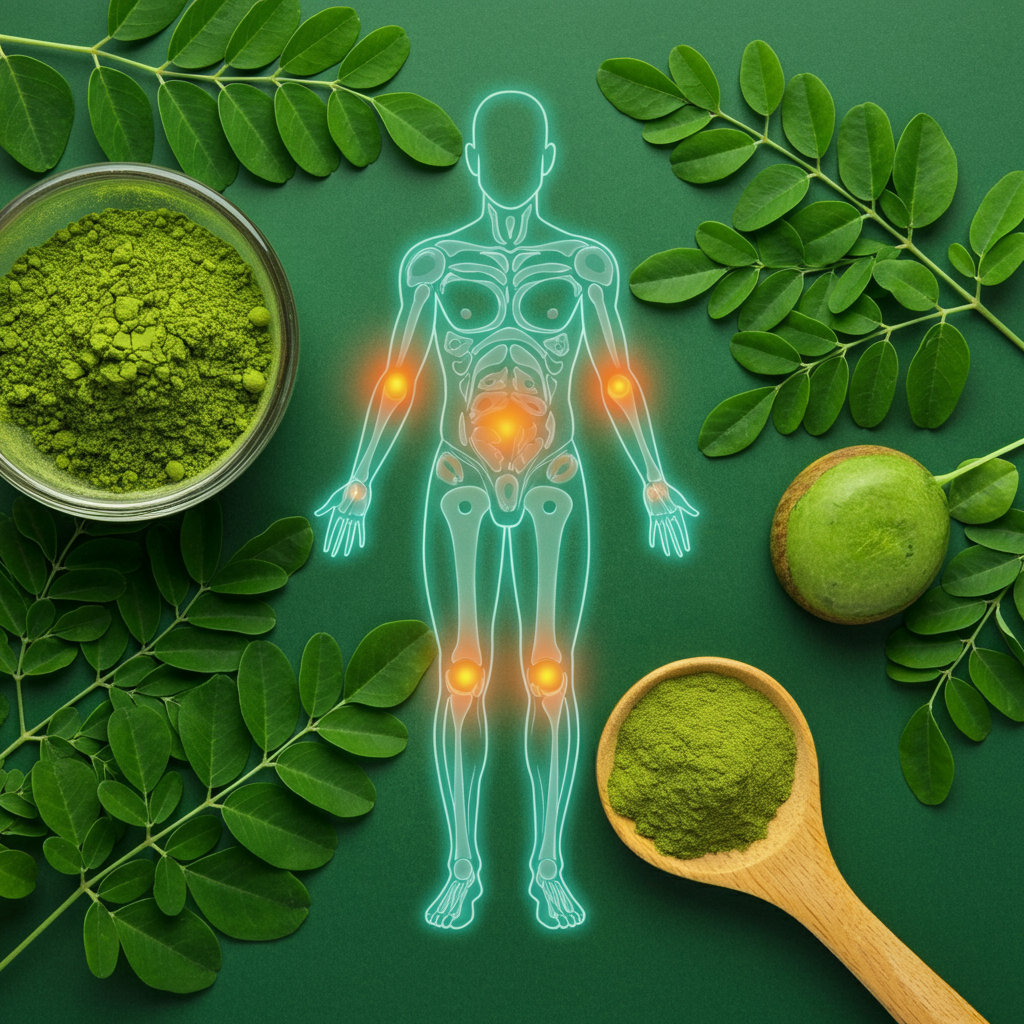
Inflammation is a word we hear often in health discussions. In the short term, it’s your body’s natural and essential response to injury or infection—a sign that your immune system is working to heal you. But when this response doesn’t switch off, it becomes chronic inflammation, a silent, long-term process that contributes to many of the most common health issues today, including heart disease, arthritis, and metabolic syndrome.
Many people are searching for natural ways to manage this underlying inflammation, looking to their diet for answers. Among the most promising anti-inflammatory superfoods is Moringa oleifera, the “Miracle Tree.” While traditional medicine has used Moringa for centuries to soothe ailments, modern scientific research is now providing a clear picture of how it works, validating its powerful ability to combat inflammation at a cellular level.
This post will explore the research behind Moringa’s anti-inflammatory effects. We will look at the specific compounds responsible for its benefits and explain how adding this green superfood to your diet can help support a healthy inflammatory response in your body.
Understanding Chronic Inflammation
To appreciate how Moringa works, it’s important to understand the problem it helps solve. Acute inflammation is your friend; it’s the redness and swelling around a cut that shows your body is sending healing cells to the area. Chronic inflammation, however, is a persistent, low-grade state of alert that can last for months or even years.
This ongoing inflammatory state can be caused by a poor diet, stress, lack of sleep, or exposure to environmental toxins. Over time, it can damage healthy cells, tissues, and organs, creating the foundation for numerous diseases. Finding ways to reduce chronic inflammation is a key strategy for promoting long-term health and vitality. This is where the unique properties of Moringa become incredibly valuable.
The Key Anti-Inflammatory Compounds in Moringa
Moringa’s power doesn’t come from a single ingredient but from a synergistic blend of bioactive compounds. Scientific studies have isolated several key players that are directly responsible for its potent anti-inflammatory effects.
Isothiocyanates: The Primary Inflammation Fighters
The most significant anti-inflammatory agents found in Moringa are isothiocyanates. These are potent compounds derived from glucosinolates, which are also present in cruciferous vegetables like broccoli and kale. However, Moringa is a particularly rich source.
Research has demonstrated that isothiocyanates work by suppressing pro-inflammatory enzymes and signaling pathways in the body. In laboratory studies, Moringa extracts containing these compounds have been shown to inhibit the production of nitric oxide and cytokines, which are key molecules that drive the inflammatory process. By turning down the volume on these inflammatory signals, Moringa helps restore balance to the immune system and reduces chronic inflammation throughout the body.
Quercetin: The Antioxidant with Soothing Power
Moringa is packed with powerful antioxidants, and one of the most studied is quercetin. This flavonoid is well-known for its ability to neutralize free radicals, which are unstable molecules that cause cellular damage and contribute to inflammation and aging.
But quercetin’s benefits go beyond just antioxidant activity. Studies show that it can stabilize mast cells, which are immune cells that release histamine and other inflammatory mediators during an allergic reaction or injury. By helping to control this release, quercetin can reduce both acute and chronic inflammation. Its presence in Moringa adds another layer of anti-inflammatory protection, making it particularly useful for conditions related to immune over-activation.
Chlorogenic Acid: More Than Just a Blood Sugar Regulator
Chlorogenic acid is another powerful antioxidant found in Moringa (it’s also abundant in coffee). While it is often praised for its ability to help moderate blood sugar levels after meals, its anti-inflammatory properties are equally impressive.
Research indicates that chlorogenic acid can reduce the activity of key inflammatory markers. By supporting healthy blood sugar levels, it also indirectly fights inflammation, as high blood sugar is a major trigger for inflammatory responses in the body. This dual-action benefit makes it a crucial part of Moringa’s overall health-promoting profile.
What Does the Scientific Evidence Show?
The claims about Moringa for inflammation are not just theoretical. A growing body of scientific literature, including both laboratory and animal studies, supports its use.
- In several lab studies using cell cultures, extracts from Moringa leaves, seeds, and pods have consistently demonstrated the ability to suppress the expression of inflammatory proteins.
- Animal studies have shown that subjects given Moringa extract experience significant reductions in inflammation in various models, including induced arthritis and colitis. These studies often point to the isothiocyanates as the primary active components.
- A human study, while small, observed that daily supplementation with Moringa leaf powder led to a significant increase in blood antioxidant levels and a reduction in markers of oxidative stress, which is closely linked to inflammation.
While more large-scale human trials are needed to determine precise dosages and effects for specific conditions, the existing evidence is compelling. The consensus in the scientific community is that Moringa oleifera possesses potent anti-inflammatory properties that warrant its reputation as a valuable natural supplement.
How to Use Moringa for Inflammation
Incorporating Moringa into your daily routine is a simple and proactive way to support a healthy inflammatory response. Because its nutrients are in a whole-food form, they are easily absorbed and utilized by your body.
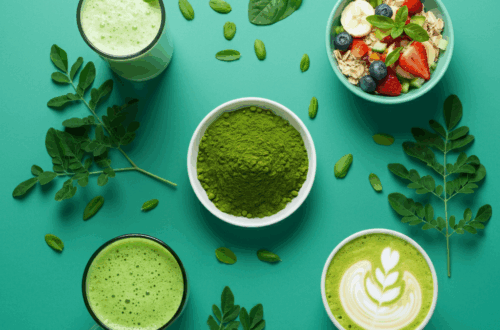
The most common way to use Moringa is as a fine, green powder. Here are a few easy ways to add it to your diet:
- Smoothies: Blend 1-2 teaspoons into your favorite smoothie. The other ingredients, especially sweet fruits, easily mask its earthy flavor.
- Juices and Teas: Stir a teaspoon into a glass of orange juice or a cup of warm (not boiling) water with lemon and honey.
- Soups and Sauces: Mix Moringa powder into soups, stews, curries, or pasta sauces just before serving to preserve its nutrients.
- Capsules: For a convenient, tasteless option, Moringa is also available in capsules, which you can take daily with water.
A Natural Approach to a Modern Problem
Chronic inflammation is one of the biggest health challenges of our time, driven by modern lifestyles. Battling it requires a holistic approach, including a balanced diet, regular exercise, and stress management. Adding a proven, anti-inflammatory superfood like Moringa can provide your body with powerful support on this journey.
With its scientifically-validated ability to reduce inflammation through multiple pathways, Moringa is more than just a green supplement—it is a natural, effective tool for promoting long-term health and well-being from the inside out.
Ready to harness the natural anti-inflammatory power of this miracle tree?
Click here to buy high-quality Moringa online and start fighting inflammation today!