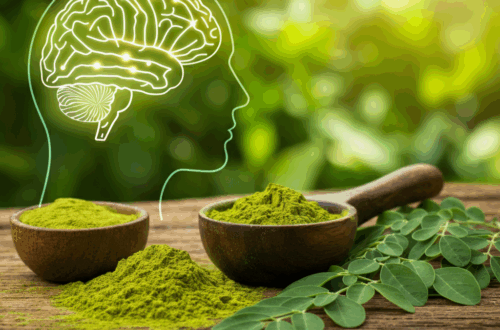
The Science Behind Moringa’s Health Benefits
Moringa oleifera has been called the “Miracle Tree” for centuries, used in traditional medicine to treat a wide range of ailments. While ancient cultures have long understood its power, modern science is now catching up, providing concrete evidence that validates its status as a premier superfood. The remarkable health benefits of Moringa are not just folklore; they are rooted in its unique and complex chemical composition.
From its incredible nutritional density to its powerful medicinal compounds, research has begun to uncover exactly how Moringa works to support human health. This isn’t just about general wellness; it’s about specific, bioactive compounds that interact with our bodies at a cellular level to fight disease, reduce inflammation, and provide essential nourishment. Understanding the science behind Moringa allows us to appreciate it not just as a green powder, but as one of nature’s most potent natural medicines.
Let’s explore the scientific evidence that explains why Moringa is so effective.
A Nutritional Profile Unmatched in Nature
The most immediate and verifiable benefit of Moringa is its extraordinary nutritional content. Many health claims are tied directly to its dense concentration of vitamins, minerals, and essential macronutrients. Unlike synthetic supplements, Moringa provides these nutrients in a whole-food form, which means they are more bioavailable—your body can recognize and use them more efficiently.
Scientific analysis of Moringa leaves has shown that they are an exceptional source of:
- Vitamins: It is rich in Vitamin A (as beta-carotene), Vitamin C, Vitamin E, and a range of B vitamins. These are crucial for everything from immune function and vision to energy metabolism and skin health.
- Minerals: Moringa is packed with essential minerals like calcium for bone health, potassium for blood pressure regulation, magnesium for muscle function, and, most notably, iron. Its high iron content makes it a powerful tool for combating anemia and fatigue.
- Complete Protein: Unusually for a plant, Moringa contains all nine essential amino acids, making it a complete protein source. This is vital for building and repairing tissues, supporting muscle mass, and producing enzymes and hormones.
The sheer density of these nutrients in a single source is what initially caught the attention of researchers and NGOs, who have used it to successfully combat malnutrition in developing nations.
The Power of Antioxidants: Your Body’s Defense Team
One of the most studied aspects of Moringa is its rich antioxidant profile. Our bodies are constantly exposed to oxidative stress from pollution, poor diet, and natural metabolic processes. This stress is caused by free radicals—unstable molecules that damage cells, DNA, and proteins, contributing to aging and chronic diseases like heart disease and cancer.
Antioxidants are compounds that neutralize these free radicals. Moringa is loaded with a powerful arsenal of them, but three stand out in scientific studies:
- Quercetin: This potent antioxidant has been shown to help lower blood pressure and stabilize mast cells, which release histamine and drive allergic reactions. Its anti-inflammatory properties are also well-documented, making it a key player in Moringa’s overall health benefits.
- Chlorogenic Acid: Also found in coffee, chlorogenic acid helps to moderate blood sugar levels after meals by slowing down the absorption of sugar. Studies suggest it may also play a role in fat metabolism, making it beneficial for weight management.
- Beta-carotene and Vitamin C: These classic antioxidants work synergistically to protect cells from damage. Beta-carotene is converted into Vitamin A in the body, supporting vision and immune health, while Vitamin C is essential for skin vitality and immune defense.
By providing such a diverse range of antioxidants, Moringa offers broad-spectrum protection against the cellular damage that underlies many health issues.
Fighting Inflammation at its Source
Chronic inflammation is a silent contributor to almost every major modern disease, including heart disease, diabetes, arthritis, and cognitive decline. While short-term inflammation is a healthy immune response, long-term, low-grade inflammation wears the body down.
Scientific studies on Moringa have identified several key compounds that give it powerful anti-inflammatory properties. The most significant among these are isothiocyanates. These are bioactive compounds derived from glucosinolates, which are also found in cruciferous vegetables like broccoli and cabbage.
Research published in scientific journals has shown that isothiocyanates in Moringa inhibit the production of inflammatory signaling molecules in the body. By suppressing pro-inflammatory enzymes and proteins, Moringa can help reduce inflammation at a cellular level. This mechanism explains its traditional use for conditions like joint pain and its potential role in protecting against inflammation-driven diseases.
Supporting Healthy Blood Sugar Levels
Maintaining stable blood sugar levels is crucial for preventing type 2 diabetes and managing overall energy. Several studies have investigated Moringa’s effects on blood glucose, and the results are promising.
The benefit is believed to come from two main sources:
- Isothiocyanates: As mentioned above, these compounds have been shown to improve insulin sensitivity. Insulin is the hormone responsible for transporting sugar from the blood into cells for energy. When cells are more sensitive to insulin, the body can manage blood sugar more effectively.
- Chlorogenic Acid: This antioxidant helps slow sugar absorption in the gut, preventing the sharp spikes in blood sugar that can occur after a meal.
One study involving women who took 7 grams of Moringa leaf powder daily for three months showed a 13.5% reduction in their fasting blood sugar levels. While more large-scale human trials are needed, the existing evidence strongly suggests that Moringa can be a valuable dietary addition for those looking to support metabolic health.
Protecting the Heart and Lowering Cholesterol
Heart disease remains the world’s leading cause of death, and high cholesterol is a major risk factor. Both animal and human studies have indicated that Moringa may have a positive effect on cholesterol levels.
Moringa’s cholesterol-lowering effect is similar to that of other plant-based foods like flaxseeds, oats, and almonds. The fiber in Moringa can help reduce the absorption of cholesterol in the gut. Furthermore, its antioxidant and anti-inflammatory properties help protect the cardiovascular system from damage. By preventing the oxidation of cholesterol—a key step in the formation of artery-clogging plaques—Moringa supports long-term heart health.
From Tradition to Scientific Validation
The journey of Moringa from a traditional remedy to a scientifically-backed superfood is a testament to its incredible properties. Its benefits are not based on a single compound but on a complex synergy of vitamins, minerals, proteins, antioxidants, and unique anti-inflammatory agents that work together to nourish and protect the body.
Whether you are looking to fill nutritional gaps, manage inflammation, support your metabolism, or simply boost your overall vitality, the science shows that Moringa is a worthy addition to your wellness routine. It is a powerful reminder that nature often provides the most effective solutions for our health.
Ready to experience the scientifically-proven benefits of this Miracle Tree for yourself?
Click here to buy premium Moringa online and harness the power of nature for your health!