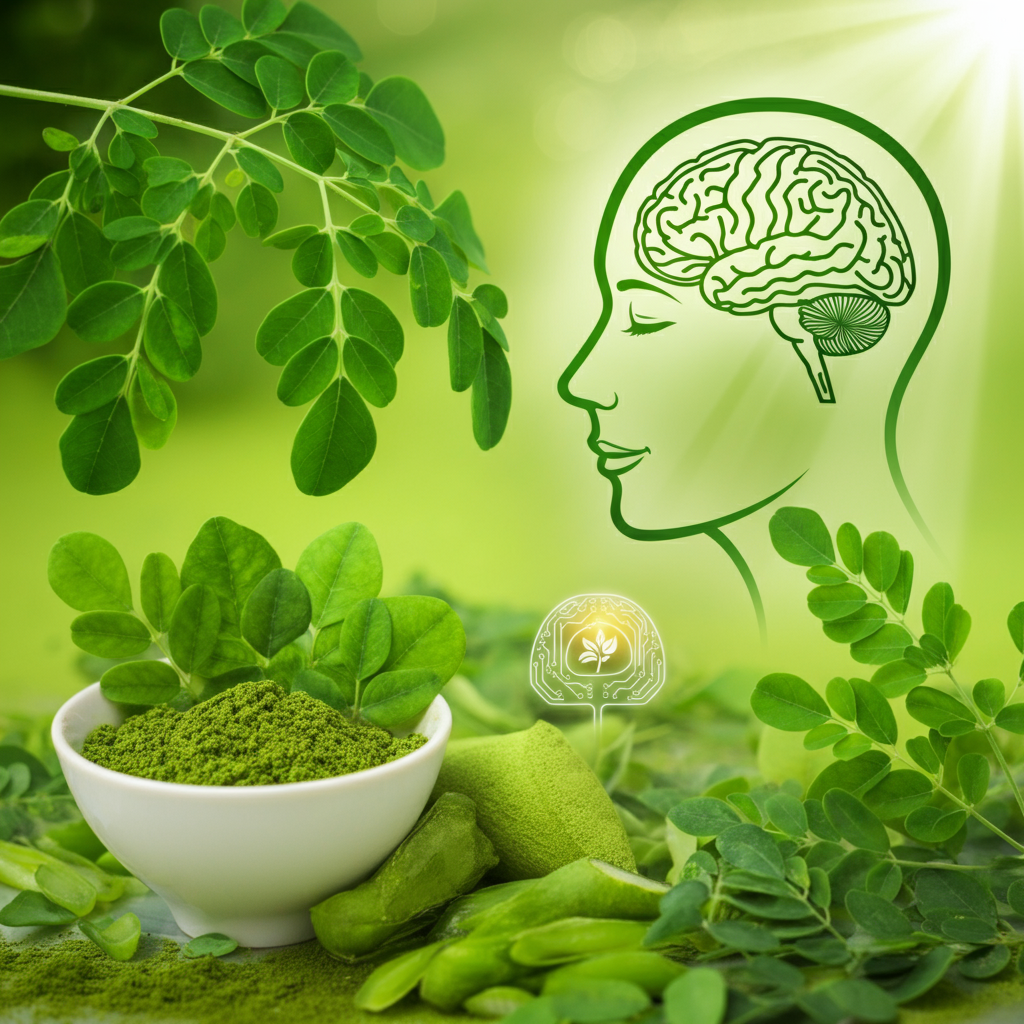
Can Moringa Improve Your Mood?
Our mental well-being is a complex interplay of lifestyle, environment, and biology. While we often focus on practices like mindfulness and exercise to manage our mood, the role of nutrition is equally vital. The food we eat provides the essential building blocks for the neurotransmitters that govern our feelings of happiness, calm, and focus. In the search for natural ways to support mental health, the superfood Moringa oleifera is emerging as a powerful nutritional tool.
This vibrant green plant is more than just a source of physical nourishment; it’s packed with a unique combination of vitamins, minerals, and antioxidants that can directly support brain health and emotional balance. Moringa isn’t a magic cure for mood disorders, but by addressing nutritional deficiencies and combating the physiological effects of stress, it can be a powerful ally in your journey toward a brighter, more stable mood.
Let’s explore the science behind how Moringa can positively influence your mental state and how you can easily incorporate this natural mood enhancer into your daily life.
The Brain-Food Connection: Nutrients for a Happy Mind
Your brain is an incredibly energy-intensive organ, and it relies on a steady supply of specific nutrients to function correctly. A deficiency in key vitamins and minerals can disrupt the production of neurotransmitters like serotonin and dopamine, which are crucial for mood regulation. Moringa is exceptionally rich in several nutrients known to play a direct role in brain health and mood.
B-Vitamins for Energy and Neurotransmitter Synthesis
Moringa is a good source of several B-vitamins, including B1 (thiamine), B2 (riboflavin), B3 (niacin), and B6 (pyridoxine). This family of vitamins is often called the “anti-stress” vitamins for good reason.
- Energy Production: B-vitamins are fundamental to converting the food you eat into glucose, which your brain uses for energy. When your brain has a steady fuel supply, you are less likely to experience the fatigue, irritability, and “brain fog” that can negatively impact your mood.
- Neurotransmitter Production: Vitamin B6 is a critical co-factor in the synthesis of serotonin and dopamine. Serotonin is often called the “feel-good” chemical, as it contributes to feelings of well-being and happiness. Dopamine is associated with pleasure, motivation, and reward. A sufficient intake of Vitamin B6 is essential for maintaining healthy levels of these key mood regulators.
By providing a natural source of these essential B-vitamins, Moringa helps ensure your brain has what it needs to produce energy and synthesize the chemicals that keep your spirits high.
Magnesium: The Original “Chill Pill”
Magnesium is a vital mineral that plays a role in over 300 biochemical reactions in the body, many of which occur in the brain. It is known for its calming properties and its ability to regulate the body’s stress-response system.
Magnesium helps to:
- Regulate Cortisol: It can help control the release of the stress hormone cortisol. Chronically elevated cortisol levels are linked to anxiety, depression, and mood swings.
- Support GABA Function: Magnesium binds to and stimulates GABA (gamma-aminobutyric acid) receptors in the brain. GABA is an inhibitory neurotransmitter that produces a calming effect, helping to reduce feelings of anxiety and fear.
- Improve Sleep Quality: By calming the nervous system, magnesium can contribute to better sleep. Quality sleep is absolutely essential for mood regulation and emotional resilience.
Modern diets are often deficient in magnesium, and stress itself can deplete your body’s stores. Moringa provides a valuable plant-based source of this crucial mineral, helping to promote a sense of calm and combat the effects of daily stress.
Combating Oxidative Stress and Inflammation
Just like the rest of your body, your brain is susceptible to damage from oxidative stress and inflammation. These processes are linked to a range of neurological issues and are increasingly recognized as contributing factors in mood disorders like depression. Oxidative stress occurs when there is an imbalance between harmful free radicals and the antioxidants that neutralize them.
Moringa is a powerhouse of antioxidants, containing over 40 different types. These compounds, including quercetin, chlorogenic acid, and Vitamin C, work to protect brain cells from damage.
- Reduces Neuroinflammation: The potent anti-inflammatory properties of Moringa, particularly from compounds called isothiocyanates, can help reduce inflammation in the brain. A less inflamed brain is a healthier, better-functioning brain.
- Protects Brain Cells: By neutralizing free radicals, the antioxidants in Moringa help protect delicate neurons from damage, supporting long-term brain health and cognitive function.
By fighting both oxidative stress and inflammation, Moringa helps to create a healthier internal environment that is more conducive to a stable and positive mood.
The Role of Tryptophan in Serotonin Production
As mentioned, serotonin is a key neurotransmitter for happiness and well-being. To produce serotonin, your body needs a specific amino acid: tryptophan. Tryptophan is an “essential” amino acid, meaning your body cannot make it on its own—you must get it from your diet.
Moringa is a complete protein, which means it contains all nine essential amino acids, including tryptophan. By providing a direct source of this crucial precursor, Moringa gives your body the raw materials it needs to naturally produce serotonin. Consuming tryptophan-rich foods is a well-known dietary strategy for supporting mood, and Moringa offers an easy, plant-based way to do so.
Practical Ways to Use Moringa for Mood Enhancement
Incorporating Moringa into your routine to support your mental well-being is simple. The goal is consistency, so find a method that you enjoy and can stick with daily.
- The “Good Mood” Morning Smoothie: Start your day on a positive note by blending 1-2 teaspoons of Moringa powder with ingredients that also support brain health, such as blueberries (for antioxidants), banana (for potassium and B6), and a handful of walnuts (for omega-3 fatty acids).
- Calming Moringa Tea: In the afternoon or evening, wind down with a cup of warm Moringa tea. Stir a teaspoon of Moringa powder into a cup of warm (not boiling) water. Add a slice of lemon and a small amount of raw honey. This caffeine-free drink can help soothe your nervous system.
- Boost Your Meals: Sprinkle Moringa over your morning eggs, stir it into a bowl of soup or yogurt, or mix it into a salad dressing. Every little bit contributes to your overall nutrient intake.
- Energy-Boosting Bites: Mix Moringa powder into homemade energy balls made with oats, dates, and nuts. This creates a healthy, nutrient-dense snack that can help you beat the afternoon slump and the irritability that comes with it.
A Natural Step Toward a Brighter Outlook
While Moringa is not a substitute for professional medical advice or treatment for mental health conditions, it can be a powerful component of a holistic approach to well-being. By nourishing your body with the specific nutrients your brain needs to thrive, you are building a strong foundation for a more resilient and positive mood.
From providing the building blocks for feel-good neurotransmitters to calming the body’s stress response and protecting brain cells from damage, Moringa offers multi-faceted support for your mental health.
Ready to nourish your mind from the inside out?
Click here to buy premium Moringa online and take a natural step toward a better mood!