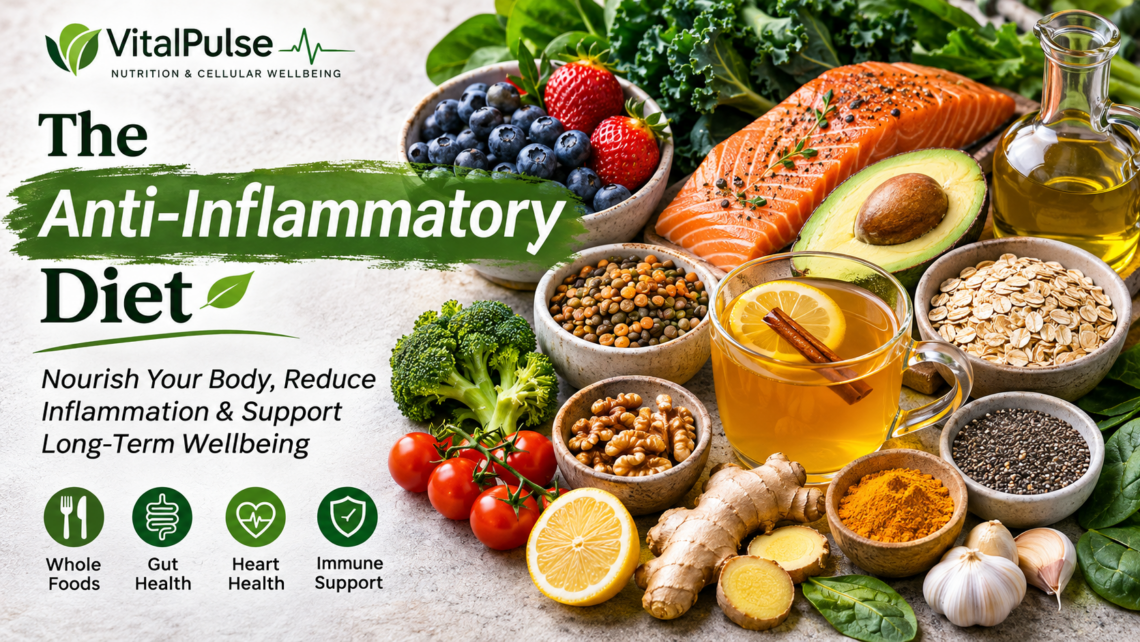
The Anti-Inflammatory Diet
Nourish Your Body, Reduce Inflammation & Support Long-Term Wellbeing
Introduction: Understanding Inflammation
Inflammation is one of the body’s most important natural defence mechanisms. It is part of the immune system’s response to injury, infection and harmful substances. Without inflammation, the body would struggle to protect itself and repair damaged tissue.
However, not all inflammation is the same.
Acute inflammation is the body’s short-term protective response. For example, when you cut your finger, the surrounding area may become red, warm and swollen. This is a normal part of the healing process.
Chronic inflammation is different. It involves a persistent, low-grade activation of the body’s inflammatory pathways over an extended period. Unlike acute inflammation, it may not produce obvious symptoms, but it has been associated with several long-term health conditions, including cardiovascular disease, type 2 diabetes and certain autoimmune and metabolic disorders.
Our modern lifestyles can influence the body’s inflammatory balance. Poor dietary habits, insufficient sleep, chronic stress, smoking, physical inactivity and excess body fat can all contribute to inflammatory processes.
This is where nutrition becomes particularly important.
An anti-inflammatory diet is not a restrictive diet, a quick detox or a temporary weight-loss programme. It is a way of eating that prioritises nourishing, minimally processed foods that support the body’s natural regulatory and repair processes.
The goal is simple:
Feed your body in a way that supports balance, resilience and long-term wellbeing.
1. How Food Influences Inflammation at a Cellular Level
Every cell in your body depends on nutrients to function properly. Food provides the raw materials needed for energy production, tissue maintenance, immune function and cellular repair.
The relationship between nutrition and inflammation is complex, but several mechanisms are particularly important.
Antioxidants and Oxidative Stress
During normal metabolism, your cells produce molecules called free radicals. These are naturally occurring molecules that participate in normal biological processes.
However, when free radical production exceeds the body’s antioxidant defences, oxidative stress can occur.
Oxidative stress can damage cellular components, including:
- Cell membranes.
- Proteins and enzymes.
- DNA and genetic material.
- Mitochondria, which help produce cellular energy.
Colourful fruits and vegetables contain antioxidants and plant compounds that help protect cells against oxidative damage.
Omega-3 Fatty Acids and Inflammatory Signalling
Omega-3 fatty acids are essential fats that play an important role in cell membranes and the regulation of inflammatory signalling.
They are particularly abundant in oily fish, including sardines, salmon, pilchards and mackerel.
Omega-3 fatty acids are involved in producing specialised molecules that help regulate and resolve inflammatory responses.
The Gut Microbiome
Your digestive system contains trillions of microorganisms collectively known as the gut microbiome.
These microorganisms help:
- Break down dietary fibre.
- Produce beneficial compounds such as short-chain fatty acids.
- Support the intestinal barrier.
- Interact with the immune system.
- Influence metabolic processes.
A diet rich in plant fibre helps nourish beneficial gut bacteria. This is one reason beans, lentils, vegetables, fruits and whole grains are important components of an anti-inflammatory eating pattern.
Blood Sugar and Metabolic Health
Repeatedly consuming large quantities of sugary drinks, sweets and highly refined foods can make blood glucose management more difficult.
Over time, poor metabolic health and insulin resistance can contribute to inflammatory processes.
Choosing fibre-rich carbohydrates, combining carbohydrates with protein and healthy fats, and eating balanced meals can help support healthier blood glucose regulation.
2. The Best Foods to Include in an Anti-Inflammatory Diet
An anti-inflammatory diet is not about finding one magical ingredient. It is about combining different foods that provide complementary nutrients.
1. Colourful Fruits and Berries
Fruits contain vitamins, minerals, fibre and natural plant compounds called polyphenols.
Particularly beneficial choices include:
- Blueberries.
- Strawberries.
- Raspberries.
- Blackberries.
- Cherries.
- Oranges.
- Apples.
- Pomegranates.
- Grapes.
Berries are especially interesting because they contain anthocyanins, the natural pigments responsible for their red, purple and blue colours.
These compounds have antioxidant and potentially inflammation-modulating properties.
2. Dark Leafy Green Vegetables
Leafy greens provide essential micronutrients, fibre and protective plant compounds.
Include:
- Spinach.
- Kale.
- Swiss chard.
- Broccoli.
- Cabbage.
- Rocket.
- Lettuce.
In South Africa, spinach, cabbage and broccoli are practical everyday options.
3. Omega-3-Rich Foods
Omega-3 fatty acids are particularly important for maintaining healthy cell membranes and supporting normal inflammatory regulation.
Excellent sources include:
- Sardines.
- Pilchards.
- Salmon.
- Mackerel.
- Tuna.
- Chia seeds.
- Ground flaxseeds.
- Walnuts.
4. Nuts and Seeds
Nuts and seeds provide healthy fats, minerals, fibre and antioxidant compounds.
Good choices include:
- Walnuts.
- Almonds.
- Pumpkin seeds.
- Sunflower seeds.
- Chia seeds.
- Flaxseeds.
- Sesame seeds.
A small handful of unsalted nuts makes a convenient snack.
5. Extra Virgin Olive Oil
Extra virgin olive oil contains monounsaturated fats and naturally occurring polyphenols.
It is a staple of the Mediterranean diet and is a useful alternative to butter and other sources of saturated fat.
Use it for:
- Salad dressings.
- Drizzling over vegetables.
- Light sautéing.
- Cooking fish and chicken.
6. Herbs and Spices
Many herbs and spices contain naturally occurring compounds that have been studied for their antioxidant and anti-inflammatory properties.
Some particularly interesting examples include:
| Herb or Spice | Notable Compound |
|---|---|
| Turmeric | Curcumin |
| Ginger | Gingerols |
| Garlic | Organosulfur compounds |
| Cinnamon | Cinnamaldehyde and polyphenols |
| Rosemary | Carnosic acid and rosmarinic acid |
| Green tea | Catechins |
| Cloves | Eugenol |
These ingredients can add flavour and nutritional variety to everyday meals.
A note about turmeric: Curcumin has been studied for its effects on inflammatory pathways, but the amount absorbed from ordinary turmeric-containing meals is limited. Culinary turmeric is a useful food ingredient, not a substitute for medical treatment or a guaranteed way to reduce inflammation.
7. Legumes and Whole Grains
Legumes and whole grains provide fibre, minerals and plant-based protein.
Include:
- Lentils.
- Chickpeas.
- Kidney beans.
- Butter beans.
- Split peas.
- Oats.
- Brown rice.
- Whole-wheat bread.
- Barley.
Fibre is particularly valuable because it supports digestive health and provides nourishment for beneficial gut microorganisms.
3. Foods to Reduce or Limit
An anti-inflammatory approach is just as much about reducing certain dietary habits as it is about adding nutritious foods.
Consider reducing your intake of:
| Food Category | Examples |
|---|---|
| Sugary beverages | Fizzy drinks, sweetened energy drinks |
| Highly processed foods | Packaged snacks, instant meals |
| Processed meats | Bacon, viennas, polony, sausages |
| Deep-fried foods | Fried chips, deep-fried takeaways |
| Refined carbohydrates | Large amounts of white bread, pastries and sugary cereals |
| Excess added sugar | Sweets, biscuits, cakes and desserts |
| Excess alcohol | Frequent or heavy alcohol consumption |
This does not mean that you must never eat bread, enjoy a dessert or have a takeaway meal.
The overall dietary pattern matters more than an occasional food choice.
For example, white bread is not inherently toxic or inflammatory. However, choosing higher-fibre wholegrain options more often can improve the nutritional quality of your diet.
The objective is to create a sustainable eating pattern rather than develop anxiety around food.
4. The Mediterranean Diet: A Natural Foundation
One of the most extensively researched dietary patterns associated with lower levels of chronic inflammation is the Mediterranean diet.
It is based on the traditional eating patterns of countries bordering the Mediterranean Sea.
Its main characteristics include:
- Plenty of vegetables and fruits.
- Legumes and whole grains.
- Nuts and seeds.
- Olive oil as a primary fat source.
- Regular consumption of fish.
- Moderate amounts of poultry, eggs and dairy.
- Smaller quantities of red and processed meat.
- Limited highly processed foods.
Rather than focusing on individual nutrients, the Mediterranean approach encourages a combination of foods that work together to support overall health.
Research has found associations between Mediterranean-style eating and improvements in certain inflammatory markers, including C-reactive protein (CRP) and interleukin-6 (IL-6).
A 2025 umbrella review of dietary-pattern research also found beneficial associations between Mediterranean-style eating and several inflammatory markers. The strength of evidence varied across outcomes and studies.
This makes the Mediterranean diet a useful starting point when building an anti-inflammatory lifestyle.
5. Three Simple Anti-Inflammatory Recipes
These recipes use accessible ingredients and can be adapted to suit South African kitchens.
All measurements are provided in both metric and imperial units.
Recipe 1: Anti-Inflammatory Golden Turmeric & Ginger Tea
A warming drink containing ginger, turmeric and cinnamon.
Ingredients
| Ingredient | Metric | Imperial |
|---|---|---|
| Water | 500 ml | 2 cups |
| Fresh ginger, sliced | 15 g | 0.5 oz |
| Fresh turmeric, sliced | 10 g | 0.35 oz |
| Ground turmeric (alternative) | 2.5 ml | ½ tsp |
| Cinnamon | 1 stick | 1 stick |
| Black pepper | Small pinch | Small pinch |
| Honey (optional) | 5–10 ml | 1–2 tsp |
| Lemon juice (optional) | 15 ml | 1 tbsp |
Method
- Add the water, ginger, turmeric and cinnamon to a small saucepan.
- Bring to a gentle simmer.
- Allow to simmer for approximately 10 minutes.
- Remove from the heat and strain.
- Add a small pinch of black pepper.
- Allow to cool slightly before adding honey and lemon juice.
Enjoy warm.
Why These Ingredients?
Ginger contains gingerols, while turmeric contains curcumin. Both have been studied for their biological effects, including interactions with inflammatory pathways.
This tea is a comforting way to incorporate these ingredients into your routine. It should not be considered a treatment for chronic inflammation.
If you have reflux or gastritis, ginger, lemon and spices may aggravate your symptoms. Adjust or omit ingredients that cause discomfort.
Recipe 2: Mediterranean Anti-Inflammatory Lentil Salad
A fibre-rich, plant-based meal containing protein, healthy fats and colourful vegetables.
Ingredients
| Ingredient | Metric | Imperial |
|---|---|---|
| Cooked lentils | 200 g | 1 cup |
| Cucumber, diced | 100 g | 3.5 oz |
| Cherry tomatoes | 150 g | 5.3 oz |
| Red onion | 40 g | 1.4 oz |
| Fresh parsley | 15 g | ½ oz |
| Baby spinach | 30 g | 1 cup |
| Extra virgin olive oil | 15 ml | 1 tbsp |
| Lemon juice | 15 ml | 1 tbsp |
| Black pepper | To taste | To taste |
| Salt | Small pinch | Small pinch |
Method
- Cook the lentils until tender and allow them to cool.
- Chop the cucumber, tomatoes and onion.
- Combine the lentils and vegetables in a large bowl.
- Add the spinach and fresh parsley.
- Mix the olive oil, lemon juice and black pepper separately.
- Pour the dressing over the salad and toss gently.
Why This Recipe?
Lentils provide plant-based protein and dietary fibre. The vegetables contribute vitamins, minerals and polyphenols, while olive oil supplies beneficial unsaturated fats.
It can be enjoyed as a main meal or served alongside grilled fish or chicken.
Recipe 3: Omega-3-Rich Sardine & Avocado Toast
A simple, affordable meal that provides omega-3 fatty acids, fibre and healthy fats.
Ingredients
| Ingredient | Metric | Imperial |
|---|---|---|
| Sardines or pilchards | 100 g | 3.5 oz |
| Wholegrain bread | 2 slices | 2 slices |
| Ripe avocado | 75 g | ½ medium avocado |
| Lemon juice | 5 ml | 1 tsp |
| Fresh parsley | 5 g | 1 tbsp chopped |
| Black pepper | To taste | To taste |
| Olive oil (optional) | 5 ml | 1 tsp |
Method
- Toast the wholegrain bread.
- Mash the avocado with lemon juice.
- Spread the avocado over the toast.
- Add the sardines or pilchards.
- Sprinkle with parsley and black pepper.
- Finish with a small drizzle of olive oil if desired.
Why This Recipe?
Sardines and pilchards are excellent sources of marine omega-3 fatty acids, particularly EPA and DHA.
Avocado provides monounsaturated fats, while wholegrain bread contributes dietary fibre.
It is a practical example of how nutritious eating does not need to be expensive or complicated.
6. Supporting Your Gut: The Foundation of Inflammatory Balance
Your gut is much more than a digestive organ. It is an important part of your immune system and plays a significant role in regulating communication between the digestive system and the rest of the body.
The intestinal lining acts as a protective barrier, helping regulate what passes from the digestive tract into circulation.
The gut microbiome also produces substances that influence immune activity and metabolic health.
One particularly interesting group of compounds is called short-chain fatty acids (SCFAs).
These are produced when beneficial gut microorganisms ferment certain types of dietary fibre.
Three important examples are:
- Acetate.
- Propionate.
- Butyrate.
Butyrate, in particular, is an important energy source for cells lining the colon and is involved in maintaining intestinal barrier function.
How to Nourish Your Gut Microbiome
Consider including the following:
| Food | Potential Benefit |
|---|---|
| Oats | Provide beta-glucan fibre |
| Lentils | Provide fermentable fibre |
| Beans | Support beneficial gut bacteria |
| Bananas | Provide fibre and resistant starch, depending on ripeness |
| Onions | Contain prebiotic fructans |
| Garlic | Contains prebiotic compounds |
| Plain yoghurt | Can provide live bacterial cultures |
| Fermented vegetables | Can provide beneficial microorganisms |
Remember: Introduce fibre gradually, particularly if you are not accustomed to eating large amounts. Drink sufficient fluids and pay attention to foods that trigger digestive discomfort.
A healthy gut is not necessarily a gut without symptoms, and fermented foods or probiotics are not suitable or necessary for everyone.
7. Beyond Food: Lifestyle Habits That Influence Inflammation
Nutrition is an important part of the picture, but inflammation is influenced by much more than what you eat.
A holistic approach considers the relationship between physical health, emotional wellbeing, sleep, movement and the nervous system.
Sleep and Recovery
Sleep is essential for cellular maintenance, immune regulation and metabolic health.
Consistently insufficient or disrupted sleep can interfere with normal immune regulation and has been associated with increased inflammatory activity.
Aim for approximately 7–9 hours of quality sleep each night.
Develop a consistent bedtime routine, reduce excessive evening screen exposure and create a comfortable sleeping environment.
Stress Management
Chronic psychological stress can influence immune signalling, hormonal regulation and inflammatory processes.
The body’s stress response is useful in short bursts, but prolonged stress can affect overall physiological balance.
Consider incorporating:
- Mindfulness meditation.
- Deep, comfortable breathing.
- Time outdoors.
- Journaling.
- Gentle stretching.
- Relaxation exercises.
The objective is not to eliminate stress entirely, but to develop healthier ways of responding to it.
Gentle Movement
Regular physical activity supports cardiovascular health, metabolic function and immune regulation.
You do not need an intense exercise programme to benefit.
Start with:
- Walking.
- Gentle cycling.
- Swimming.
- Yoga.
- Light resistance exercises.
- Stretching and mobility work.
Consistency is more important than intensity.
Reduce Smoking and Excessive Alcohol
Smoking contributes to oxidative stress and inflammatory activity throughout the body.
Reducing and ultimately stopping smoking is one of the most meaningful lifestyle changes you can make for your long-term health.
Excessive alcohol consumption can also negatively affect immune function, liver health and gut integrity.
8. A Simple Seven-Day Anti-Inflammatory Eating Plan
You do not need an expensive shopping list or complicated recipes to begin.
The following is an example of how to introduce more anti-inflammatory foods into your everyday routine.
| Day | Breakfast | Lunch | Dinner |
|---|---|---|---|
| Monday | Oats with banana | Lentil salad | Chicken and vegetables |
| Tuesday | Wholegrain toast and egg | Pilchards on toast | Vegetable and bean stew |
| Wednesday | Plain yoghurt and fruit | Leftover vegetable stew | Grilled fish and brown rice |
| Thursday | Oats with cinnamon | Chickpea salad | Chicken, spinach and sweet potato |
| Friday | Egg and wholegrain toast | Lentil soup | Vegetable omelette |
| Saturday | Banana and yoghurt | Sardine and avocado toast | Homemade vegetable soup |
| Sunday | Oats and berries | Bean salad | Roast chicken and vegetables |
This is an illustrative meal plan rather than a personalised nutritional prescription. Adjust quantities to your appetite, energy requirements, budget and dietary needs.
Shopping List: Everyday Anti-Inflammatory Essentials
Vegetables
- Cabbage.
- Carrots.
- Spinach.
- Onions.
- Tomatoes.
- Broccoli when affordable.
Fruit
- Bananas.
- Apples.
- Oranges.
- Seasonal fruit.
Protein
- Eggs.
- Lentils.
- Dried beans.
- Chickpeas.
- Tinned sardines or pilchards.
- Chicken when affordable.
Healthy Fats
- Olive oil.
- Peanuts or peanut butter without excessive added sugar.
- Sunflower seeds.
- Flaxseeds when affordable.
Other Essentials
- Oats.
- Wholegrain bread.
- Brown rice.
- Garlic.
- Ginger.
- Turmeric.
- Cinnamon.
Frozen vegetables and fruit are also useful alternatives to fresh produce. They can be nutritious, convenient and sometimes more affordable.
The most important principle is accessibility: A healthy eating pattern should work within your financial circumstances. You do not need expensive superfoods, imported berries or specialist supplements to eat well.
9. Common Myths About Anti-Inflammatory Eating
There is a great deal of misinformation surrounding inflammation and nutrition. Let’s separate some common claims from what research actually supports.
Myth 1: One food can eliminate inflammation.
No single food can eliminate inflammation throughout the body. The overall dietary pattern is more important than individual ingredients.
Myth 2: You must eliminate all carbohydrates.
Carbohydrates are an important energy source. Whole grains, legumes, vegetables and fruits provide fibre and valuable nutrients.
Myth 3: All inflammation is bad.
Inflammation is a necessary part of immune defence and tissue repair. The concern is prolonged or inappropriate inflammatory activity.
Myth 4: Detox diets are necessary to remove inflammatory toxins.
Your liver, kidneys, lungs and digestive system already perform essential processes involved in metabolism and waste elimination. There is no convincing evidence that commercial detox diets or cleanses remove accumulated toxins or cure chronic inflammation.
Myth 5: Supplements are better than food.
Whole foods provide combinations of nutrients, fibre and plant compounds that cannot always be replicated by supplements.
Supplements may be appropriate in certain circumstances, but more is not necessarily better. High-dose turmeric, fish oil and other supplements can interact with medication or cause adverse effects.
10. How Long Does It Take to Notice a Difference?
This is one of the most common questions surrounding anti-inflammatory nutrition.
There is no universal timeline.
Some people may notice improvements in digestion, energy levels or general wellbeing after making dietary changes. However, measurable changes in inflammatory markers can take longer and depend on many factors, including:
- Existing health conditions.
- Baseline dietary habits.
- Body composition and metabolic health.
- Sleep quality.
- Physical activity.
- Smoking and alcohol consumption.
- Individual genetics.
It is also important to understand that feeling better does not necessarily mean that inflammation has disappeared.
Blood tests such as C-reactive protein (CRP) can sometimes help clinicians investigate inflammation, but CRP is a nonspecific marker. It cannot independently identify the cause of inflammation.
An anti-inflammatory diet should be viewed as a long-term nutritional strategy rather than a quick fix.
11. The VitalPulse Perspective: Nourishing the Whole Person
At VitalPulse, we believe wellbeing is about understanding the relationship between different systems within the body.
Nutrition is not simply about calories, weight or avoiding certain foods. It is about providing the body with the resources it needs to maintain balance and function effectively.
An anti-inflammatory eating pattern can support several interconnected areas of wellbeing:
- Cellular health: Providing nutrients that support normal cellular function and antioxidant defences.
- Digestive health: Nourishing beneficial gut microorganisms and supporting intestinal function.
- Metabolic health: Supporting healthy blood glucose regulation and metabolic processes.
- Immune health: Providing nutrients involved in normal immune system function.
- Nervous system health: Supplying essential nutrients required for neurological function.
- Energy production: Providing the vitamins, minerals, fats and carbohydrates needed for normal energy metabolism.
We also recognise that physical wellbeing does not exist in isolation.
Emotional stress, sleep, movement, environmental influences and everyday lifestyle choices all contribute to the broader picture of health.
The goal is not perfection. It is creating an environment in which your body has the nutritional and lifestyle support it needs to thrive.
Final Thoughts: Start With One Change
You do not need to transform your entire diet overnight.
Start by adding one extra vegetable to your dinner. Replace a sugary drink with water. Introduce oats or lentils into your meals. Enjoy a handful of nuts instead of highly processed snacks.
Small, consistent changes can become powerful long-term habits.
Your body is constantly working to maintain balance. Give it the nourishment, rest and care it deserves.
Your VitalPulse Reflection
Take a moment to consider:
- How much of your current diet consists of whole, minimally processed foods?
- Are you providing your body with enough fibre, healthy fats and colourful vegetables?
- Which one dietary habit could you improve this week?
Reconnect. Reflect. Realign.
Explore Your Wellbeing.
Important Health Disclaimer
The information in this article is provided for general educational and wellness purposes only. It is not intended to diagnose, treat, cure or prevent any medical condition.
An anti-inflammatory diet may support general health and help improve certain markers associated with chronic inflammation, but it is not a replacement for medical assessment, prescribed medication or professional nutritional advice.
People with chronic illnesses, food allergies, digestive disorders or specific dietary requirements should consult an appropriately qualified healthcare professional before making significant dietary changes.
References & Further Reading
- Harvard Health Publishing – Anti-inflammatory diet: Foods that help reduce chronic inflammation.
- Harvard T.H. Chan School of Public Health – Diet Review: Anti-Inflammatory Diet.
- World Health Organization – Healthy Diet.
- Johns Hopkins Medicine – Anti-Inflammatory Diet.
- PubMed – Research on dietary patterns associated with anti-inflammatory effects.
VITALPULSE | EXPLORE YOUR WELLBEING
Reconnect. Reflect. Realign.

