Immune System
-
Major Histocompatibility Complex (MHC): Understanding the Body’s Cellular Identity and Immune Recognition System
How your immune system distinguishes between your own cells, foreign invaders and potentially harmful changes within the body. Your body is made up of trillions of cells, each carrying molecular information that helps identify it as belonging to you. But how does your immune system know which cells are healthy, which are infected and which may have become abnormal? One of the most important mechanisms involved in this process is the Major Histocompatibility Complex (MHC). The MHC is a group of genes responsible for producing specialised proteins that help the immune system recognise and respond to substances inside and outside the body’s cells. These proteins play a central role in…
-
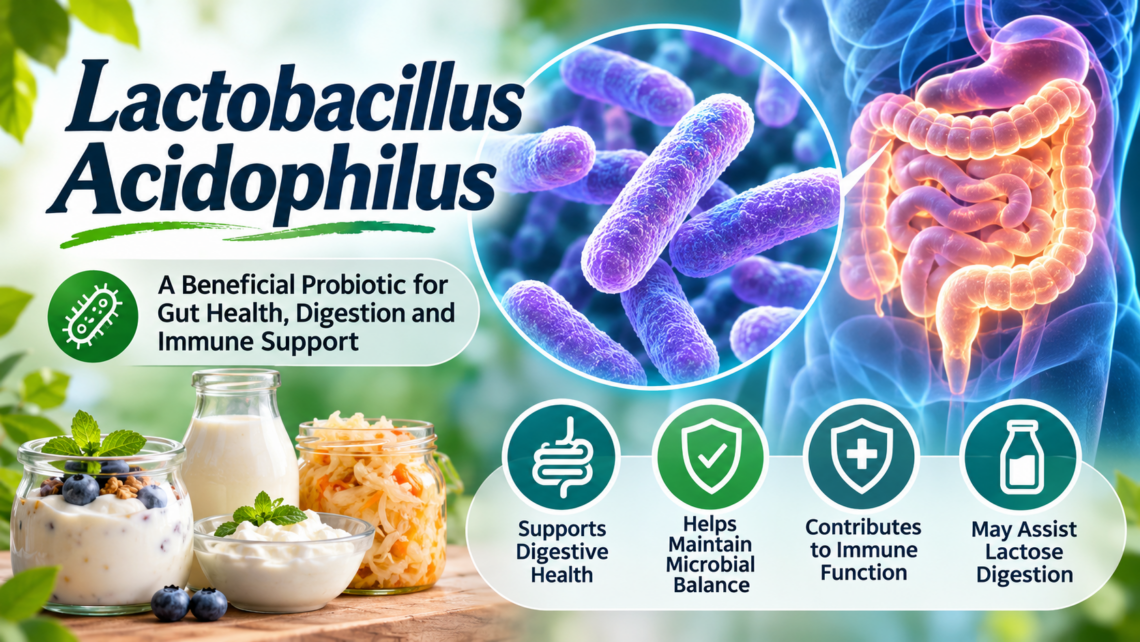
Lactobacillus Acidophilus: Understanding Its Role in Gut Health, Digestion and Immune Function
The human digestive system is home to trillions of microorganisms, including bacteria, fungi and other microbes. Together, these organisms form what is known as the gut microbiome. While some microorganisms can contribute to disease, many play essential roles in maintaining digestive balance, supporting immune function and helping the body process nutrients. One of the best-known beneficial bacteria is Lactobacillus acidophilus. This naturally occurring microorganism is associated with the human gastrointestinal tract and is also used in fermented foods and probiotic supplements. But what exactly does Lactobacillus acidophilus do? How does it support gut health, and why is it frequently included in probiotic formulations? Let’s explore. 1. What Is Lactobacillus Acidophilus?…
-
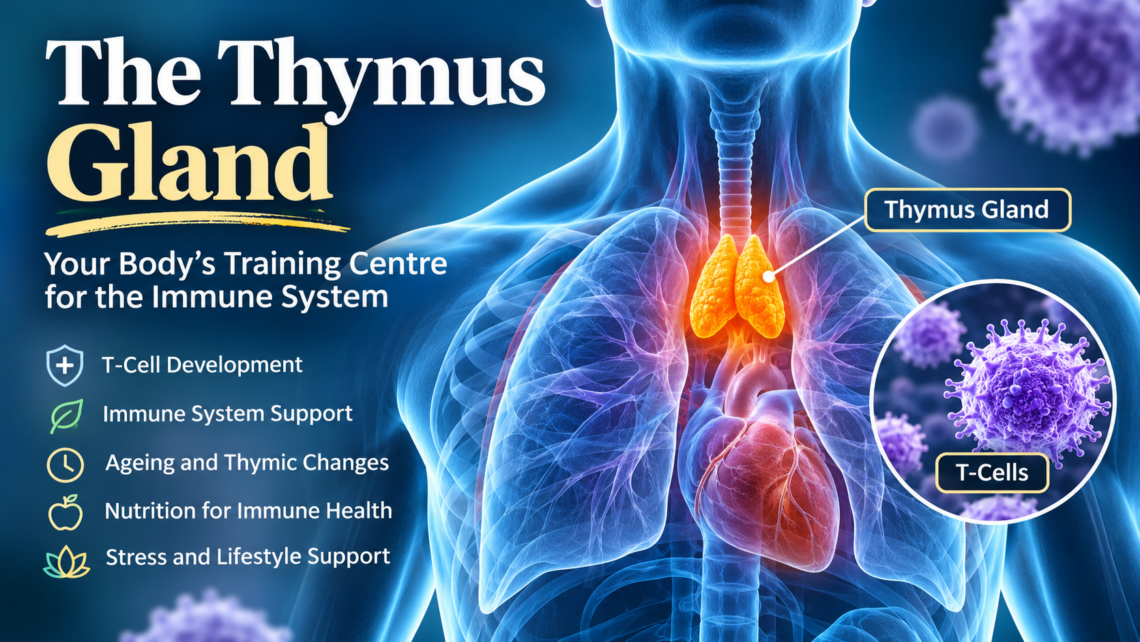
The Thymus Gland: Your Body’s Training Centre for the Immune System
Understanding the thymus, its role in immune health, T-cells, stress, ageing and how to support your body’s natural defence system. Introduction Hidden behind your breastbone, just above your heart, is a small but remarkably important organ that plays a major role in your immune system: the thymus gland. Although relatively small and often overlooked, the thymus is essential for developing one of the most important components of your immune defence system – T-lymphocytes, commonly known as T-cells. These specialised white blood cells help your body recognise harmful invaders, coordinate immune responses and distinguish between your own healthy tissues and potentially dangerous foreign substances. The thymus is particularly active during childhood…
-
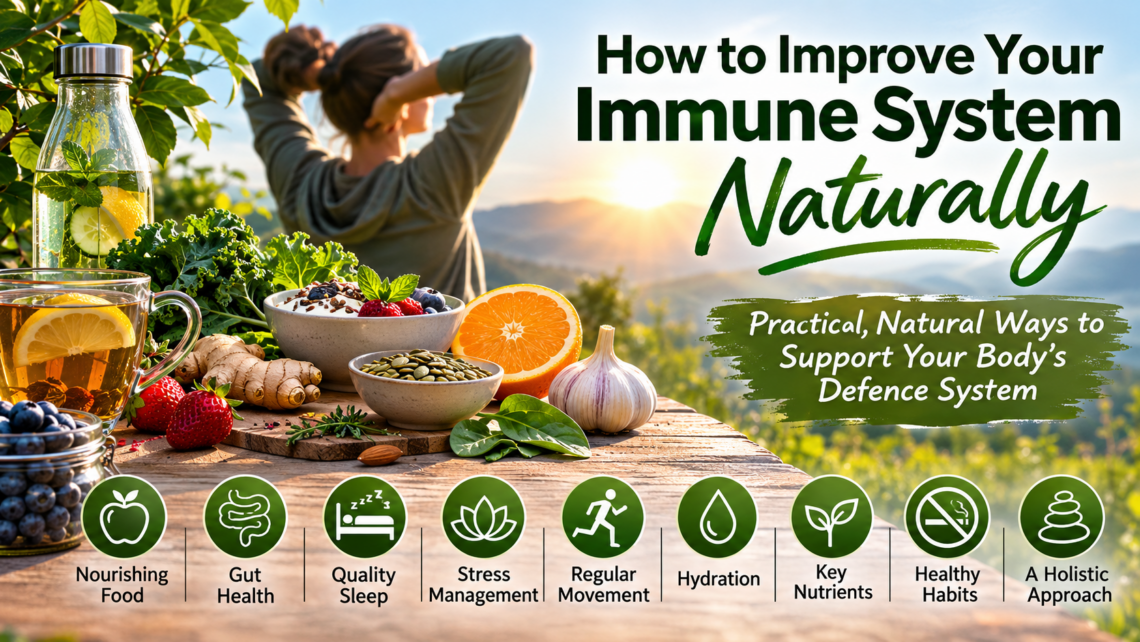
How to Improve Your Immune System Naturally
Supporting Your Body’s Natural Defence System Through Nutrition, Lifestyle & Holistic Wellbeing How to improve your immune system naturally: Your immune system is one of the most remarkable systems in your body. Every day, it works continuously to protect you against harmful microorganisms, recognise potential threats and maintain your overall health. Yet, in today’s busy world, factors such as chronic stress, poor nutrition, insufficient sleep, inactivity and environmental exposures can place additional demands on our bodies. The good news? There are many natural ways to support your immune system and encourage your body to function at its best. At VitalPulse, we believe that wellbeing is about looking at the bigger…
-
Sleep Hygiene: Creating Healthy Habits for Better Sleep and Wellbeing
Sleep is one of the most important foundations of good health, yet it is often one of the first things we sacrifice when life becomes busy. We tend to focus on nutrition, exercise and productivity while overlooking the essential role that quality sleep plays in maintaining physical, mental and emotional wellbeing. Sleep is not simply a period of rest. It is an active biological process during which the body performs essential maintenance, supports the immune system, regulates hormones, processes emotions and restores energy. Developing good sleep hygiene can make a meaningful difference to how you feel, think and function throughout the day. But what exactly is sleep hygiene, and how…