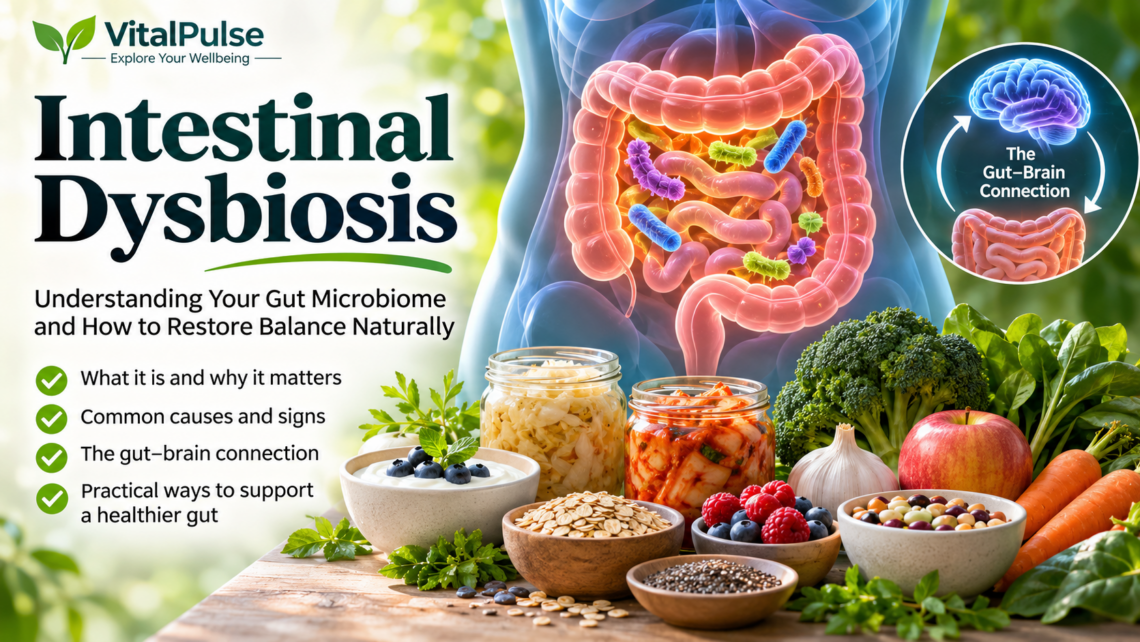
Intestinal Dysbiosis: Understanding Your Gut Microbiome and How to Restore Balance Naturally
Table of Contents
Your gut is home to trillions of microorganisms that play an important role in digestion, nutrient absorption, immune function and even communication between your gut and brain. But what happens when this delicate ecosystem becomes disrupted?
This imbalance is known as intestinal dysbiosis.
Although it is often overlooked, the health of your intestinal microbiome can influence many aspects of your overall wellbeing. Understanding what dysbiosis is, what may contribute to it and how to support a healthier gut environment is an important step towards improving your quality of life.
Let’s explore the subject and look at practical ways to support your digestive health.
1. What Is Intestinal Dysbiosis?
Intestinal dysbiosis refers to an imbalance or disruption in the microorganisms living within your digestive tract.
Your gut microbiome consists of a complex community of bacteria, fungi, viruses and other microorganisms. Many of these organisms are beneficial and work together to maintain a healthy intestinal environment.
A balanced microbiome helps to:
- Break down certain foods and dietary fibres.
- Produce beneficial substances such as short-chain fatty acids.
- Support the intestinal barrier.
- Assist with normal immune system function.
- Influence vitamin metabolism.
- Help regulate digestive processes.
- Communicate with the nervous system through the gut-brain axis.
Dysbiosis can occur when the composition, diversity or activity of these microorganisms changes in an unfavourable way.
Importantly, dysbiosis is not one specific disease, and there is no single universally accepted definition of a perfectly balanced microbiome.
2. Understanding Your Gut Microbiome
Think of your intestinal microbiome as a small ecosystem.
Just as a natural environment requires biodiversity to remain resilient, your gut benefits from a diverse community of microorganisms performing different functions.
Some important groups include:
Beneficial bacteria
Certain species of Bifidobacterium and Lactobacillus help maintain the intestinal environment and contribute to normal digestive functions.
Short-chain fatty acid producers
Some gut bacteria ferment dietary fibre and produce short-chain fatty acids (SCFAs), including butyrate, acetate and propionate. These substances play important roles in intestinal health.
Other microorganisms
Fungi, viruses and other microbes also form part of the gut ecosystem. Their presence is not automatically harmful; their effects depend on the wider microbial environment.
The goal is not to eliminate microorganisms but to support a healthy, diverse and functioning microbial community.
3. What Causes Intestinal Dysbiosis?
There isn’t always one single cause. Dysbiosis can develop through a combination of dietary, environmental, lifestyle and medical factors.
Some common contributing factors include:
1. Antibiotic use
Antibiotics are designed to treat bacterial infections, but they can also affect beneficial bacteria in the digestive tract. Repeated or prolonged antibiotic exposure may disrupt microbial diversity.
This doesn’t mean antibiotics should be avoided when medically necessary. They remain essential, life-saving medicines.
2. Poor dietary habits
A diet consistently low in fibre and high in ultra-processed foods may negatively influence the gut microbiome.
Your gut bacteria need the right nutritional environment to thrive.
3. Chronic stress
The gut and brain communicate through a complex network involving nerves, hormones, immune signalling and microbial metabolites.
Ongoing stress can influence gut movement, digestive secretions, sensitivity and the intestinal environment.
4. Insufficient dietary fibre
Fibre is one of the most important sources of nourishment for beneficial gut microorganisms. Without sufficient fibre, certain bacteria may have fewer resources to produce beneficial short-chain fatty acids.
5. Alcohol and smoking
Excessive alcohol consumption and tobacco exposure can negatively affect digestive health, intestinal barrier function and microbial composition.
6. Gastrointestinal infections
Certain bacterial, viral and parasitic infections can disrupt the normal intestinal environment. Some people experience changes in bowel habits and digestive symptoms long after an infection has resolved.
7. Poor sleep and inactivity
Sleep disturbances and a sedentary lifestyle may also influence the gut microbiome and normal digestive function.
8. Underlying digestive conditions
Conditions such as inflammatory bowel disease, coeliac disease and irritable bowel syndrome may be associated with changes in the microbiome. However, dysbiosis is not necessarily the cause of these conditions.
4. Signs and Symptoms of Intestinal Dysbiosis
Dysbiosis does not have one specific set of symptoms. Many symptoms associated with it can also occur with other digestive conditions.
Possible symptoms include:
- Frequent bloating and abdominal distension.
- Excessive intestinal gas.
- Constipation or irregular bowel movements.
- Frequent loose stools or diarrhoea.
- Changes in stool consistency.
- Abdominal discomfort or cramping.
- Excessive burping.
- Food-related digestive discomfort.
- Changes in bowel habits.
- A feeling of incomplete bowel emptying.
Some people also report fatigue, difficulty concentrating or changes in general wellbeing.
It is important to understand that these symptoms do not automatically indicate dysbiosis. Persistent digestive complaints deserve proper investigation rather than assuming that an imbalance in gut bacteria is responsible.
5. The Gut Barrier and Intestinal Permeability
One particularly interesting aspect of gut health is the intestinal barrier.
Your intestinal lining is not simply a tube through which food passes. It is a sophisticated protective interface between the contents of your digestive tract and the rest of your body.
The intestinal barrier consists of several protective components:
- Mucus layer: Helps protect the intestinal lining from direct exposure to microorganisms and digestive contents.
- Epithelial cells: Form the physical lining of the intestine.
- Tight junctions: Protein structures that regulate movement between neighbouring intestinal cells.
- Immune components: Help identify and respond to potentially harmful organisms.
- Gut microbiota: Contribute to the maintenance of the intestinal environment.
When this protective system is disrupted, intestinal permeability may increase.
You may have heard this described as Leaky Gut Syndrome.
Increased intestinal permeability is a recognised area of medical research and is relevant to certain gastrointestinal diseases. However, the term “leaky gut syndrome” is often used too broadly in wellness marketing, and there is no single validated commercial test that diagnoses a generalised leaky gut condition.
The relationship between dysbiosis, intestinal permeability and inflammation is complex. They may influence one another, but one does not automatically prove the presence of the others.
6. The Gut-Brain Connection
Have you ever experienced butterflies in your stomach when nervous, or digestive discomfort during a stressful period?
This is an everyday example of the gut-brain connection.
The gut and brain communicate through what is known as the gut-brain axis.
This communication involves:
- The vagus nerve.
- The autonomic nervous system.
- Hormonal signalling.
- Immune system communication.
- Microbial metabolites.
Certain intestinal microorganisms can produce or influence substances involved in nervous system signalling.
This is one reason why researchers are increasingly interested in the relationship between gut health, emotional wellbeing and stress regulation.
However, the gut microbiome is only one part of this complex relationship. It would be incorrect to assume that every mood change, anxiety symptom or neurological complaint originates in the gut.
7. Practical Ways to Support a Healthier Gut Microbiome
The good news is that there are several practical lifestyle approaches that can help create a healthier environment for your intestinal microorganisms.
The focus should be on consistency rather than expensive supplements or complicated detoxification programmes.
1. Increase Your Dietary Fibre
Dietary fibre is essential for supporting beneficial intestinal bacteria.
Certain fibres act as prebiotics, providing nourishment for microorganisms in the colon.
Good sources include:
- Oats.
- Apples and pears.
- Bananas.
- Beans and lentils.
- Chickpeas.
- Broccoli.
- Carrots.
- Onions and garlic.
- Leafy green vegetables.
- Whole grains.
- Nuts and seeds.
Practical tip: Increase fibre gradually. Suddenly eating large amounts of fibre can cause additional bloating and gas, particularly if your digestive system is sensitive.
2. Introduce Fermented Foods
Some fermented foods contain live microorganisms that may contribute to dietary microbial diversity.
Examples include:
- Plain yoghurt containing live cultures.
- Kefir.
- Sauerkraut.
- Kimchi.
- Certain fermented vegetables.
Start with small portions and observe how your body responds.
Not every fermented food contains live cultures, and fermented foods should not be considered a guaranteed treatment for dysbiosis.
3. Eat a Variety of Plant Foods
Different microorganisms utilise different types of dietary fibre and plant compounds.
Rather than relying on one supposedly superfood, aim for variety.
Include different colours, textures and types of vegetables, fruits, legumes, whole grains, nuts and seeds.
A diverse plant-based diet provides a wider range of nutrients and microbial food sources.
4. Stay Properly Hydrated
Water supports normal digestion, intestinal movement and bowel regularity.
Insufficient fluid intake, particularly when combined with low fibre intake, can contribute to constipation.
Drink water regularly throughout the day and adjust your intake according to your activity level and environment.
5. Reduce Ultra-Processed Foods
Try to reduce your reliance on:
- Highly processed snacks.
- Sugary drinks.
- Excessive sweets.
- Regular fast food.
- Foods containing little fibre.
- Excessively fatty and heavily processed meals.
You don’t need to eliminate every convenience food. Focus on improving the overall quality of your diet.
6. Support Your Nervous System
Your digestive system responds to your nervous system.
Practices that may help include:
- Slow, comfortable breathing.
- Mindfulness.
- Gentle stretching.
- Walking outdoors.
- Meditation.
- Taking time to eat without rushing.
- Creating a consistent sleep routine.
Try to avoid eating every meal while distracted, stressed or rushing.
7. Move Your Body Regularly
Physical activity supports normal bowel function and is associated with a healthier gut microbiome.
You don’t need an intensive exercise programme.
Start with:
- A 15–30-minute daily walk.
- Gentle mobility exercises.
- Stretching.
- Light resistance exercises.
- Regular movement breaks if you sit for long periods.
Consistency matters more than intensity.
8. Prioritise Quality Sleep
Your digestive system operates within your body’s broader biological rhythms.
Aim for a consistent sleeping schedule and approximately 7–9 hours of sleep per night as an adult.
Reduce excessive screen exposure before bedtime, maintain a comfortable sleeping environment and allow your body sufficient time to recover.
9. Be Mindful of Antibiotics
Antibiotics should only be used when medically indicated.
Never stop a prescribed antibiotic course or change your medication without consulting your healthcare professional.
If you experience persistent diarrhoea during or after antibiotic treatment, seek medical advice. Antibiotic-associated diarrhoea can sometimes be caused by an infection such as Clostridioides difficile.
10. Avoid Unnecessary Gut Cleanses
Colon cleansing, aggressive laxative programmes and extreme detoxification diets are not proven ways to restore a healthy microbiome.
Your liver, kidneys and digestive system already perform essential waste-processing and elimination functions.
A sustainable nutritional and lifestyle approach is generally more appropriate than attempting to flush or purge your digestive tract.
8. Prebiotics, Probiotics and Postbiotics: What’s the Difference?
These three terms are often confused, but they describe different things.
| Term | What it means | Examples |
|---|---|---|
| Prebiotics | Substrates used by beneficial microorganisms | Inulin, certain dietary fibres |
| Probiotics | Live microorganisms that provide a demonstrated health benefit when given in adequate amounts | Specific Lactobacillus and Bifidobacterium strains |
| Postbiotics | Preparations of inanimate microorganisms and/or their components that provide a health benefit | Certain microbial preparations |
Prebiotics: Think of these as food for selected gut microorganisms.
Probiotics: These introduce specific live microorganisms that may provide particular health benefits.
Postbiotics: These involve beneficial effects associated with preparations of inanimate microorganisms or their components.
An important point: Not all probiotic products are equally effective. Benefits depend on the particular strain, dosage, health condition and individual.
Taking multiple probiotic supplements does not automatically result in a healthier gut.
Before using supplements, particularly if you have an underlying health condition or a weakened immune system, seek appropriate professional advice.
9. Can You Test for Intestinal Dysbiosis?
There are several types of tests that investigate digestive health, but it is important to understand their limitations.
Stool testing
Depending on the symptoms, stool tests may investigate:
- Bacterial or parasitic infections.
- Blood in the stool.
- Certain inflammatory markers, such as faecal calprotectin.
- Other digestive abnormalities.
Breath testing
Hydrogen and methane breath tests may help investigate conditions such as small intestinal bacterial overgrowth (SIBO) and certain carbohydrate malabsorption problems.
Blood tests
Depending on symptoms, a healthcare professional may recommend tests to investigate:
- Anaemia and iron deficiency.
- Coeliac disease.
- Inflammation.
- Nutritional deficiencies.
- Other underlying medical conditions.
Commercial microbiome testing
Commercial stool microbiome tests may identify microorganisms and their relative abundance. However, there is currently no universally accepted microbiome profile that can reliably determine whether an individual is healthy or unhealthy.
A commercial microbiome report should not be treated as a medical diagnosis or used as the sole basis for treatment.
10. A Simple 7-Day Gut Health Reset
Rather than attempting an extreme detoxification programme, consider using the following seven-day routine as a starting point for healthier digestive habits.
| Day | Focus | Practical action |
|---|---|---|
| Day 1 | Hydration | Drink water regularly throughout the day. |
| Day 2 | Fibre | Introduce an additional fibre-rich food. |
| Day 3 | Plant diversity | Include different vegetables and fruits. |
| Day 4 | Mindful eating | Eat slowly and avoid rushing meals. |
| Day 5 | Movement | Take a gentle 20-minute walk. |
| Day 6 | Nervous system | Practise 5–10 minutes of comfortable breathing or mindfulness. |
| Day 7 | Sleep and recovery | Establish a consistent bedtime routine. |
Continue these habits beyond the initial seven days.
Remember that this is a general wellbeing routine, not a treatment protocol for diagnosed gastrointestinal conditions.
11. When Should You Seek Medical Advice?
Digestive symptoms should not automatically be attributed to dysbiosis.
Consult a healthcare professional if you experience persistent or recurring digestive problems, unexplained changes in bowel habits or symptoms that interfere with everyday life.
Seek prompt medical attention for warning signs such as:
- Blood in your stool or black, tarry stools.
- Unexplained weight loss.
- Persistent vomiting.
- Severe or worsening abdominal pain.
- Fever accompanied by significant diarrhoea.
- Signs of dehydration.
- Persistent diarrhoea, particularly after antibiotic use.
Early investigation can help identify underlying conditions that may require specific treatment.
12. The VitalPulse Perspective: Restore the Environment, Support the Body
At VitalPulse, we believe that wellbeing is influenced by the interaction between multiple systems within the body.
Your digestive system does not operate independently. It is connected to your immune system, nervous system, endocrine system, metabolism and overall nutritional status.
When exploring digestive wellbeing, it is worth looking beyond individual symptoms and considering the bigger picture.
Ask yourself:
- Am I eating enough fibre and a variety of whole foods?
- Am I drinking enough water?
- Am I experiencing prolonged stress?
- Am I getting sufficient sleep?
- Am I physically active?
- Have I recently used antibiotics?
- Could an underlying digestive condition be contributing to my symptoms?
The objective isn’t to create a perfectly sterile digestive system or eliminate every potentially undesirable microorganism.
It is to support an environment in which the body’s natural biological processes can function effectively.
A healthier gut begins with consistent, sustainable habits.
Small improvements in nutrition, hydration, movement, sleep and stress management can contribute to better digestive wellbeing over time.
VitalPulse – Explore Your Wellbeing.
Reconnect. Reflect. Realign.
Further Reading & Scientific Resources
For readers who would like to explore the subject further:
- The Gut Microbiome – American Gastroenterological Association
- Approach to the Diagnosis and Management of Dysbiosis – Scientific Review
- Probiotics – National Institutes of Health
- Your Body’s Bugs – National Institutes of Health
- Gut Health – Healthdirect Australia
- Dysbiosis – Cleveland Clinic
Important Disclaimer
This article is intended for educational and general wellness purposes only. It is not intended to diagnose, treat, cure or prevent any medical condition.
Intestinal dysbiosis is a complex and evolving area of scientific research. Not all digestive symptoms are caused by microbial imbalance, and commercial microbiome tests do not currently provide a universally accepted diagnosis of dysbiosis.
Always consult a qualified healthcare professional regarding persistent digestive symptoms, suspected infections, medication use or underlying medical conditions.
VitalPulse promotes an informed, balanced and responsible approach to holistic wellbeing.
Suggested Blog Excerpt:
Intestinal dysbiosis occurs when the delicate balance of microorganisms within your digestive system becomes disrupted. Discover how your gut microbiome influences digestion, immunity and overall wellbeing, what may contribute to microbial imbalance, and practical ways to support a healthier gut through nutrition, hydration, lifestyle changes and nervous system regulation.