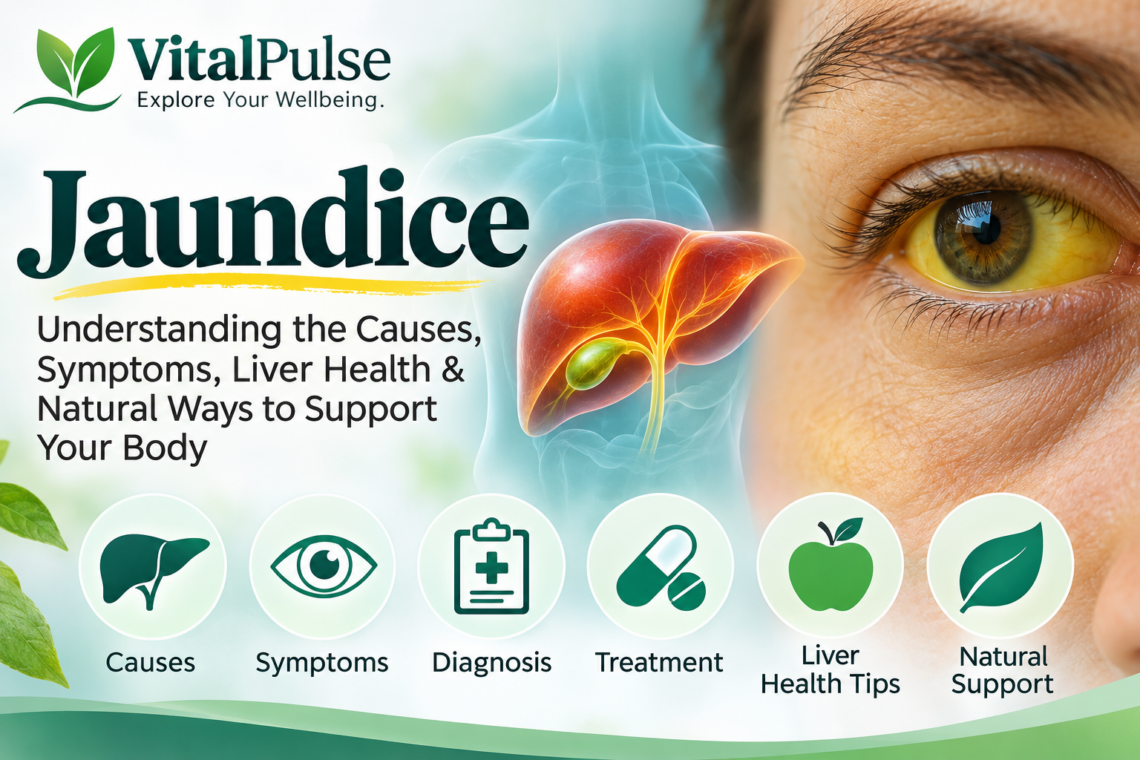
Jaundice: Understanding the Causes, Symptoms, Liver Health & Natural Ways to Support Your Body
Table of Contents
Introduction: What Is Jaundice?
Have you ever noticed someone’s skin or the whites of their eyes turning yellow? This condition is known as jaundice, and it is often a visible sign that something is affecting the body’s ability to process and eliminate bilirubin.
Jaundice is not a disease itself. Rather, it is a symptom that develops when bilirubin builds up in the bloodstream.
Bilirubin is a yellow-orange pigment produced naturally when the body breaks down old or damaged red blood cells.
Under normal circumstances, the liver processes bilirubin and helps eliminate it through bile, which eventually leaves the body through the digestive system.
However, when this process is disrupted, bilirubin can accumulate in the blood and tissues, resulting in the characteristic yellowish appearance of the skin and eyes.
Jaundice can occur in newborn babies as well as adults. While some causes are relatively temporary and treatable, others may indicate serious liver, gallbladder, blood or pancreatic conditions.
Understanding what causes jaundice is an important first step towards protecting your overall health.
1. Understanding Bilirubin: Where Does It Come From?
To understand jaundice, we first need to understand bilirubin.
Red blood cells have an average lifespan of approximately 120 days. As they reach the end of their lifespan, they are broken down, primarily in the spleen.
During this process, haemoglobin — the oxygen-carrying protein inside red blood cells — is broken down into several components, eventually producing bilirubin.
There are two main forms:
- Unconjugated bilirubin: This is the initial form of bilirubin. It is not water-soluble and travels through the bloodstream attached to a protein called albumin.
- Conjugated bilirubin: Once bilirubin reaches the liver, liver cells process it by attaching it to glucuronic acid. This makes it water-soluble so it can be released into bile.
Bilirubin then travels through the bile ducts into the intestines, where it is further broken down and eventually eliminated, mainly through stool.
This process is important because bilirubin levels need to remain within a healthy range.
When too much bilirubin is produced, the liver cannot process it efficiently, or bile flow becomes obstructed, jaundice can develop.
2. The Main Causes of Jaundice
Jaundice can develop for several different reasons. These causes are generally divided into three categories.
A. Pre-hepatic Jaundice: Before the Liver
This occurs when the body breaks down red blood cells faster than the liver can process the resulting bilirubin.
Possible causes include:
- Haemolytic anaemia.
- Certain inherited blood disorders.
- Malaria and some other infections.
- Autoimmune conditions that destroy red blood cells.
- Certain medication reactions.
In these circumstances, the liver may be functioning normally, but it becomes overwhelmed by excessive bilirubin production.
B. Hepatic Jaundice: Within the Liver
Hepatic jaundice develops when the liver itself is damaged or unable to process bilirubin effectively.
Possible causes include:
- Hepatitis A, B, C and other forms of hepatitis.
- Alcohol-related liver disease.
- Fatty liver disease.
- Liver cirrhosis.
- Medication-induced liver injury.
- Autoimmune hepatitis.
- Certain inherited conditions, such as Gilbert syndrome.
Because the liver performs hundreds of essential functions, damage to liver cells can affect much more than bilirubin processing.
C. Post-hepatic Jaundice: After the Liver
This type of jaundice occurs when bile cannot flow properly from the liver into the intestines.
Possible causes include:
- Gallstones blocking the bile ducts.
- Inflammation or narrowing of the bile ducts.
- Bile duct infections.
- Pancreatic inflammation.
- Tumours affecting the pancreas or bile ducts.
When bile flow is obstructed, conjugated bilirubin can accumulate in the bloodstream.
This type of jaundice often causes dark urine, pale stools and itching.
3. Recognising the Symptoms of Jaundice
The most recognisable symptom is yellow discolouration of the skin and the whites of the eyes.
However, jaundice may be accompanied by several other symptoms depending on its underlying cause.
Common symptoms include:
- Yellowing of the eyes and skin.
- Dark, tea-coloured or brown urine.
- Pale, greyish or clay-coloured stools.
- Persistent itching.
- Fatigue and weakness.
- Nausea and vomiting.
- Reduced appetite.
- Abdominal discomfort or pain.
- Unexplained weight loss.
- Fever or chills in certain infections.
An important observation: Dark urine and pale stools can be particularly useful clues that bilirubin processing or bile flow is disrupted.
Not everyone experiences all these symptoms.
4. Understanding the Connection Between Jaundice and Liver Health
The liver is one of the body’s most important metabolic organs.
It performs a wide range of functions, including:
- Processing nutrients absorbed from food.
- Producing bile to assist with fat digestion.
- Processing hormones.
- Metabolising medications.
- Storing vitamins and minerals.
- Producing important blood proteins.
- Helping regulate blood glucose.
- Processing waste products.
- Converting ammonia into urea for elimination.
The liver also plays a central role in processing bilirubin.
When liver cells become inflamed or damaged, their ability to process and transport bilirubin may be affected.
This is why jaundice can sometimes be an early warning sign of an underlying liver problem.
However, yellowing of the skin should never automatically be interpreted as liver disease. The underlying cause needs to be established through appropriate medical assessment.
5. Conditions Commonly Associated With Jaundice
Several health conditions deserve particular attention.
Hepatitis
Hepatitis refers to inflammation of the liver. It can result from viral infections, alcohol, medications, autoimmune conditions and other causes.
Depending on the type and severity, hepatitis can interfere with bilirubin processing.
Fatty Liver Disease
Fat accumulation in the liver can contribute to inflammation and, in some people, progressive liver damage.
Metabolic dysfunction-associated steatotic liver disease (MASLD), previously known as non-alcoholic fatty liver disease, is commonly associated with insulin resistance, excess abdominal fat and metabolic health problems.
Uncomplicated fatty liver does not usually cause jaundice. Yellowing may indicate more advanced liver injury or another condition.
Gallstones
Gallstones can form in the gallbladder when substances in bile crystallise.
If a stone blocks the common bile duct, bilirubin may accumulate in the bloodstream, causing jaundice.
Gilbert Syndrome
Gilbert syndrome is a relatively common inherited condition in which the liver processes bilirubin less efficiently.
It can cause occasional mild jaundice, particularly during fasting, illness, dehydration or physical stress.
It is generally harmless and does not usually require treatment.
Liver Cirrhosis
Cirrhosis involves extensive scarring of liver tissue.
As healthy liver tissue is replaced by scar tissue, normal liver function can become progressively impaired. Jaundice may develop in more advanced disease.
6. How Is Jaundice Diagnosed?
Jaundice requires proper medical investigation because its appearance alone cannot identify the underlying cause.
A healthcare professional may recommend several investigations.
Blood Tests
These may include:
- Total bilirubin.
- Direct and indirect bilirubin.
- ALT (alanine aminotransferase).
- AST (aspartate aminotransferase).
- ALP (alkaline phosphatase).
- GGT (gamma-glutamyl transferase).
- Full blood count.
- Albumin and other measures of liver function.
- Blood clotting tests, including PT/INR.
- Hepatitis screening where appropriate.
These tests help establish whether the problem involves excessive red blood cell breakdown, liver-cell injury or impaired bile drainage.
Urine Tests
Urine testing can help identify bilirubin and other abnormalities.
Ultrasound
An abdominal ultrasound can examine the liver, gallbladder and bile ducts. It may help identify gallstones, bile duct enlargement or structural abnormalities.
Additional Imaging
Depending on the findings, a doctor may recommend a CT scan, MRI or specialised imaging of the bile ducts.
The purpose of these investigations is to identify the actual cause rather than simply treating the yellow discolouration.
7. Treatment: Addressing the Underlying Cause
There is no single treatment for jaundice because it is a symptom rather than a disease.
Treatment depends entirely on what is causing bilirubin to accumulate.
Examples include:
| Underlying cause | Possible medical treatment |
|---|---|
| Viral hepatitis | Supportive care or specific antiviral treatment, depending on the virus |
| Gallstones | Procedures to remove obstructing stones, sometimes followed by gallbladder surgery |
| Medication-related liver injury | Medical review and adjustment or discontinuation of the responsible medication |
| Haemolytic anaemia | Treatment directed at the cause of red blood cell destruction |
| Alcohol-related liver injury | Alcohol cessation and appropriate liver care |
| Bile duct obstruction | Procedures to restore bile drainage |
| Gilbert syndrome | Usually no specific treatment required |
Some causes resolve relatively quickly, while others require ongoing medical management.
Importantly, jaundice caused by an obstructed bile duct may require urgent intervention.
8. Practical Ways to Support Liver Health Naturally
Although natural lifestyle practices cannot independently cure jaundice, they can play an important role in supporting general liver health and reducing some risk factors associated with liver disease.
Here are some practical approaches.
1. Focus on Balanced Nutrition
The liver relies on a steady supply of nutrients to perform its metabolic functions.
A balanced eating pattern should include:
- Fresh vegetables and leafy greens.
- Fruit in appropriate portions.
- Whole grains.
- Beans and legumes.
- Eggs, fish and other suitable protein sources.
- Healthy fats from foods such as olive oil, nuts and seeds.
Avoid relying heavily on highly processed foods, excessive added sugars and frequent consumption of sugary drinks.
If someone already has significant liver disease, their nutritional requirements may differ and should be discussed with a healthcare professional.
2. Maintain Adequate Hydration
Water supports normal circulation, digestion and kidney function.
Make a habit of drinking water throughout the day, adjusting intake according to activity, climate and individual requirements.
Hydration is beneficial for general wellbeing, but drinking excessive amounts of water does not flush bilirubin out of a damaged or obstructed liver.
3. Avoid Alcohol
Alcohol places additional metabolic demands on the liver and can contribute to inflammation, fatty liver disease and cirrhosis.
Avoid alcohol if you have jaundice or suspected liver injury, and seek medical advice about any underlying alcohol-related liver condition.
4. Be Careful With Medication and Supplements
Many people assume that natural products are automatically safe.
Unfortunately, certain herbal preparations, concentrated extracts and supplements can cause liver injury.
Some prescription and over-the-counter medications can also affect liver function.
Practical advice:
- Never exceed recommended medication doses.
- Avoid combining medications without checking for interactions.
- Tell your healthcare professional about every supplement you take.
- Avoid self-prescribing liver detox products.
- Never stop prescribed medication without medical guidance unless emergency services instruct you otherwise.
5. Support Healthy Metabolic Function
Insulin resistance, excess abdominal fat and metabolic dysfunction can contribute to fatty liver disease.
Helpful long-term habits include:
- Regular, gentle physical activity.
- Balanced meals.
- Maintaining a healthy weight where appropriate.
- Reducing excessive added sugar.
- Prioritising consistent sleep.
- Managing chronic stress.
These lifestyle measures may help reduce the risk of certain forms of liver disease. They are not a treatment for unexplained jaundice.
6. Reduce Exposure to Environmental Toxins
The liver helps metabolise many substances that enter the body through food, medications, alcohol and environmental exposure.
Where practical:
- Follow workplace chemical safety guidelines.
- Use appropriate protective equipment when handling solvents and cleaning chemicals.
- Avoid unnecessary exposure to pesticides.
- Do not mix household cleaning products.
- Wash fruit and vegetables before consumption.
- Avoid contaminated food and water.
It is important to understand that the liver already has sophisticated detoxification pathways. There is no proven commercial detox programme that can cleanse the liver or reverse jaundice.
9. The Gut-Liver Connection
The digestive system and liver are closely connected through what is commonly called the gut-liver axis.
Blood carrying nutrients and other substances absorbed from the intestines travels to the liver through the portal vein.
The liver processes these substances before they enter the wider circulation.
The gut microbiome — the community of microorganisms living in the digestive tract — also interacts with bile acids and several metabolic processes.
An imbalance in the gut microbiome, known as dysbiosis, has been associated with various liver conditions, including metabolic dysfunction-associated steatotic liver disease.
Some practical ways to support digestive health include:
- Eating a variety of plant-based foods.
- Including fibre-rich foods where tolerated.
- Consuming fermented foods if appropriate.
- Avoiding unnecessary antibiotic use.
- Maintaining regular bowel habits.
- Supporting adequate hydration.
However, it is important not to confuse general digestive health with the treatment of jaundice. Improving gut health does not remove a gallstone or repair acute liver damage.
10. Jaundice in Newborn Babies
Jaundice is relatively common in newborn babies.
This happens because a newborn’s liver is still developing and may not yet be efficient at processing bilirubin.
In many cases, newborn jaundice is temporary.
However, excessively high bilirubin levels can be dangerous because bilirubin can enter the brain and cause neurological damage.
Newborn jaundice should always be assessed by a healthcare professional.
Treatment may include:
- Monitoring bilirubin levels.
- Ensuring adequate feeding.
- Phototherapy using specialised blue light.
- More intensive medical treatment in severe cases.
Parents should seek prompt medical assessment if their baby appears yellow, particularly during the first 24 hours after birth. A baby who is difficult to wake, feeding poorly or becoming increasingly unwell needs urgent assessment.
Newborn jaundice should never be treated with sunlight exposure or home remedies instead of proper medical care.
11. When Should You Seek Medical Attention?
IMPORTANT HEALTH WARNING
Jaundice in adults should never be ignored.
If you notice yellowing of your eyes or skin, seek urgent medical assessment, even if you otherwise feel relatively well.
Certain symptoms require immediate emergency attention:
- Severe or persistent abdominal pain.
- Fever accompanied by jaundice.
- Confusion, unusual behaviour or extreme drowsiness.
- Persistent vomiting.
- Significant weakness or fainting.
- Unusual bleeding or bruising.
- Rapid deterioration in your general condition.
These symptoms can indicate serious conditions such as acute liver injury or an infected, obstructed bile duct.
Do not attempt to manage these symptoms with supplements, dietary changes or home remedies.
If you experience severe symptoms, go to an emergency department or contact emergency medical services.
12. Can Jaundice Be Prevented?
Not every cause of jaundice can be prevented, particularly inherited conditions. However, there are several ways to reduce your risk of certain underlying conditions.
Consider the following preventative measures:
- Vaccination: Hepatitis A and B vaccines are available and can protect against these infections.
- Food hygiene: Wash your hands and practise safe food preparation to reduce the risk of hepatitis A and E.
- Safe medication practices: Use medications according to professional guidance.
- Alcohol moderation: Avoid excessive alcohol consumption.
- Healthy weight management: Reduce metabolic risk factors associated with fatty liver disease.
- Safe practices: Avoid sharing needles or personal items that may be contaminated with blood.
- Routine healthcare: Investigate persistent digestive symptoms, unexplained fatigue and other possible signs of liver disease.
Prevention is largely about protecting the liver, maintaining metabolic health and reducing exposure to infections and substances that can cause liver damage.
13. A Holistic Perspective: Listening to Your Body
At VitalPulse, we believe that wellbeing involves understanding the interconnected nature of the body.
The liver does not operate in isolation. It works alongside the digestive system, circulatory system, endocrine system and kidneys to maintain internal balance.
When exploring liver health, it is useful to consider several aspects of overall wellbeing:
- Nutrition: Are you providing your body with adequate nutrients?
- Digestion: Are you experiencing persistent digestive discomfort?
- Hydration: Are you drinking sufficient fluids?
- Metabolic health: Are blood glucose and lipid levels within healthy ranges?
- Sleep: Are you allowing your body adequate time for recovery?
- Environmental influences: Are you regularly exposed to potentially harmful chemicals?
- Lifestyle: Are alcohol consumption, smoking, inactivity or chronic stress affecting your wellbeing?
These questions can help identify lifestyle factors worth addressing.
It is also important to distinguish between supporting general wellbeing and treating a medical condition.
No nutritional programme, tissue salt preparation, herbal remedy, bioresonance scan or detoxification protocol can reliably diagnose the cause of jaundice or replace appropriate medical investigations.
A holistic approach should complement evidence-based healthcare, not delay it.
Final Thoughts: Your Liver Deserves Attention
Your liver is an extraordinary organ that performs hundreds of essential functions every day, often without you being aware of the work it does.
Jaundice is one of the ways your body signals that something may be interfering with its normal processes.
Whether the underlying cause involves red blood cell destruction, liver inflammation, gallstones or another condition, identifying the problem early is essential.
Rather than looking for a quick detox or miracle remedy, focus on understanding what your body is communicating, obtaining the appropriate medical assessment and making sustainable lifestyle choices that support long-term wellbeing.
Remember: Your body is interconnected. Supporting your health begins with understanding it.
Explore Your Wellbeing with VitalPulse
At VitalPulse, our goal is to encourage greater awareness of the relationship between lifestyle, nutrition, physical wellbeing and the body’s natural processes.
Reconnect. Reflect. Realign.
Explore Your Wellbeing.
Visit: https://vitalpulse.co.za
Medical Disclaimer
This article is intended for general educational and informational purposes only. It does not constitute medical advice, diagnosis or treatment. Jaundice can indicate a potentially serious underlying medical condition. Anyone experiencing yellowing of the skin or eyes should seek urgent medical assessment. Never delay medical treatment in favour of natural remedies, supplements or alternative wellness practices.
Further Reading & References
For readers who would like to explore the subject further:
- NHS – Jaundice
- NIH – Recognizing Jaundice
- MedlinePlus – Jaundice
- American Family Physician – Evaluation of Jaundice in Adults
- Healthdirect – Jaundice in Adults
VitalPulse – Explore Your Wellbeing | Reconnect. Reflect. Realign.