Digestive System
-
The Leaky Gut Friendly Diet: Nourishing Your Gut and Supporting Intestinal Health
Introduction: Your Gut Health Starts With What You Eat Have you ever wondered why digestive discomfort, bloating, food sensitivities, fatigue and even skin problems seem to occur together? Your digestive system does far more than simply break down food. The intestinal tract plays an important role in nutrient absorption, immune function, communication with the nervous system and maintaining a protective barrier between the contents of your intestines and your bloodstream. One term that has gained considerable attention in gut health discussions is Leaky Gut Syndrome, also known as increased intestinal permeability. The intestinal lining naturally allows nutrients, water and electrolytes to pass into the bloodstream while helping prevent unwanted substances…
-
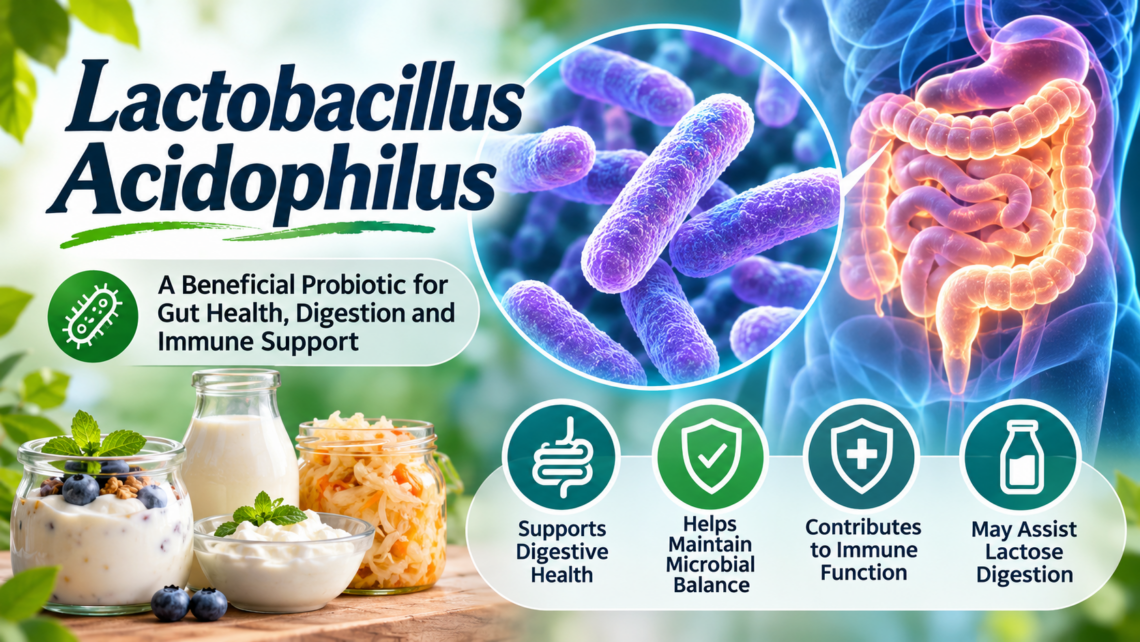
Lactobacillus Acidophilus: Understanding Its Role in Gut Health, Digestion and Immune Function
The human digestive system is home to trillions of microorganisms, including bacteria, fungi and other microbes. Together, these organisms form what is known as the gut microbiome. While some microorganisms can contribute to disease, many play essential roles in maintaining digestive balance, supporting immune function and helping the body process nutrients. One of the best-known beneficial bacteria is Lactobacillus acidophilus. This naturally occurring microorganism is associated with the human gastrointestinal tract and is also used in fermented foods and probiotic supplements. But what exactly does Lactobacillus acidophilus do? How does it support gut health, and why is it frequently included in probiotic formulations? Let’s explore. 1. What Is Lactobacillus Acidophilus?…
You May Also Like

Moringa & Blood Sugar Support: Exploring the Potential Benefits of the Miracle Tree
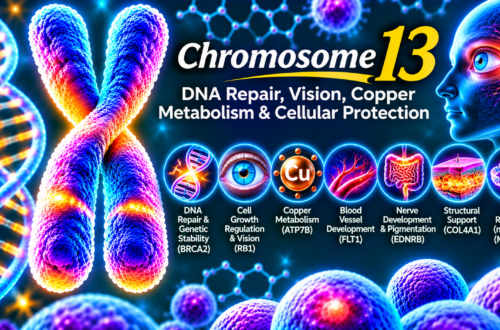
Chromosome 13: The Genetic Blueprint of DNA Repair, Vision, Copper Metabolism & Cellular Protection

Chromosome 7: The Genetic Blueprint of Communication, Metabolism, Lung Function & Human Development
-
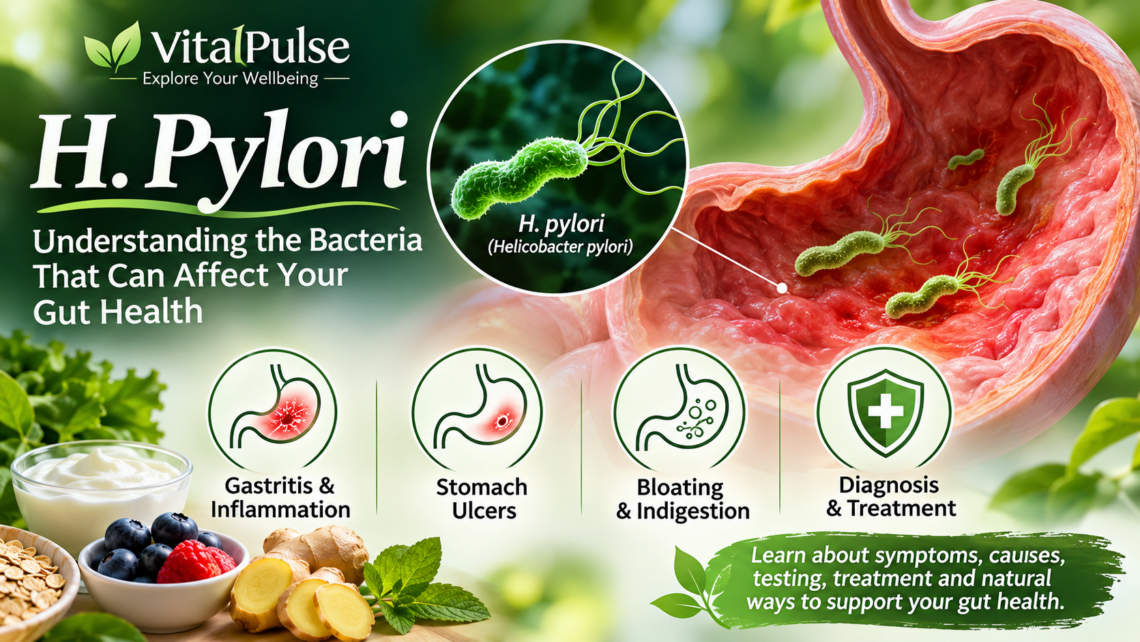
Helicobacter Pylori: Understanding the Bacteria that can Affect Your Gut Health
Introduction Your digestive system plays an essential role in your overall health and wellbeing. When something disrupts the delicate balance of the stomach, it can lead to symptoms such as bloating, excessive burping, abdominal discomfort, nausea and heartburn. One possible contributor to these digestive problems is Helicobacter pylori (H. pylori), a spiral-shaped bacterium that can live in the stomach lining. H. pylori is one of the most common bacterial infections worldwide. Many people carry the bacteria without experiencing noticeable symptoms, while others develop inflammation of the stomach lining, stomach ulcers and, in some cases, more serious complications. Understanding H. pylori, how it spreads, how it affects digestion and how it…
-
Opisthorchis felineus: Understanding Liver Flukes, Their Effects on the Body & How to Protect Your Health
An educational guide to liver fluke infections, digestive and liver health, prevention, and practical steps to support your body’s natural defences. Introduction The human body is home to an incredibly complex ecosystem of organs, tissues, microorganisms and biological processes. Maintaining good health involves understanding not only the nutrients we consume and the lifestyle choices we make, but also the potential impact of infectious organisms and parasites. One such organism is Opisthorchis felineus, commonly known as the cat liver fluke. This parasitic flatworm can infect the liver and bile ducts of humans and other fish-eating mammals. Although it is not commonly encountered in every part of the world, it is an…