Gut Health
-
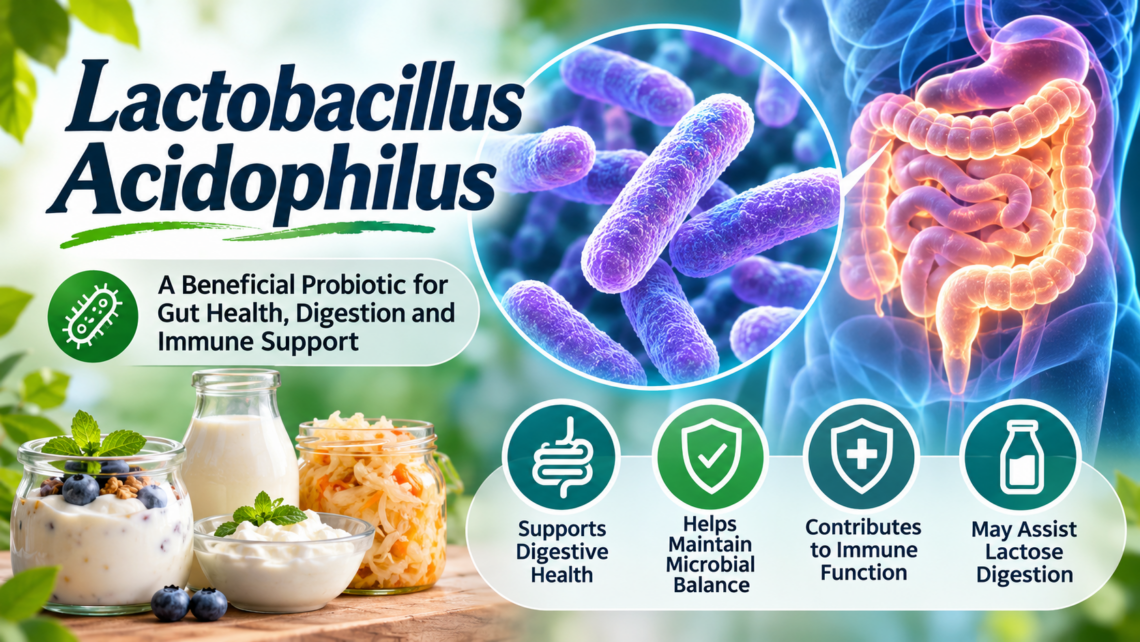
Lactobacillus Acidophilus: Understanding Its Role in Gut Health, Digestion and Immune Function
The human digestive system is home to trillions of microorganisms, including bacteria, fungi and other microbes. Together, these organisms form what is known as the gut microbiome. While some microorganisms can contribute to disease, many play essential roles in maintaining digestive balance, supporting immune function and helping the body process nutrients. One of the best-known beneficial bacteria is Lactobacillus acidophilus. This naturally occurring microorganism is associated with the human gastrointestinal tract and is also used in fermented foods and probiotic supplements. But what exactly does Lactobacillus acidophilus do? How does it support gut health, and why is it frequently included in probiotic formulations? Let’s explore. 1. What Is Lactobacillus Acidophilus?…
You May Also Like
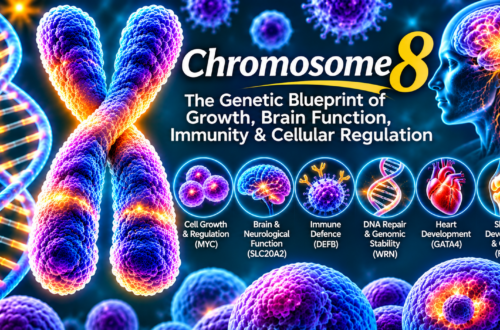
Chromosome 8: The Genetic Blueprint of Growth, Brain Function, Immunity & Cellular Regulation

How to Support Your Adrenal Health Naturally: Restoring Balance, Managing Stress & Reclaiming Your Energy

Kingella kingae: Understanding the Bacterium Behind Childhood Bone and Joint Infections
-
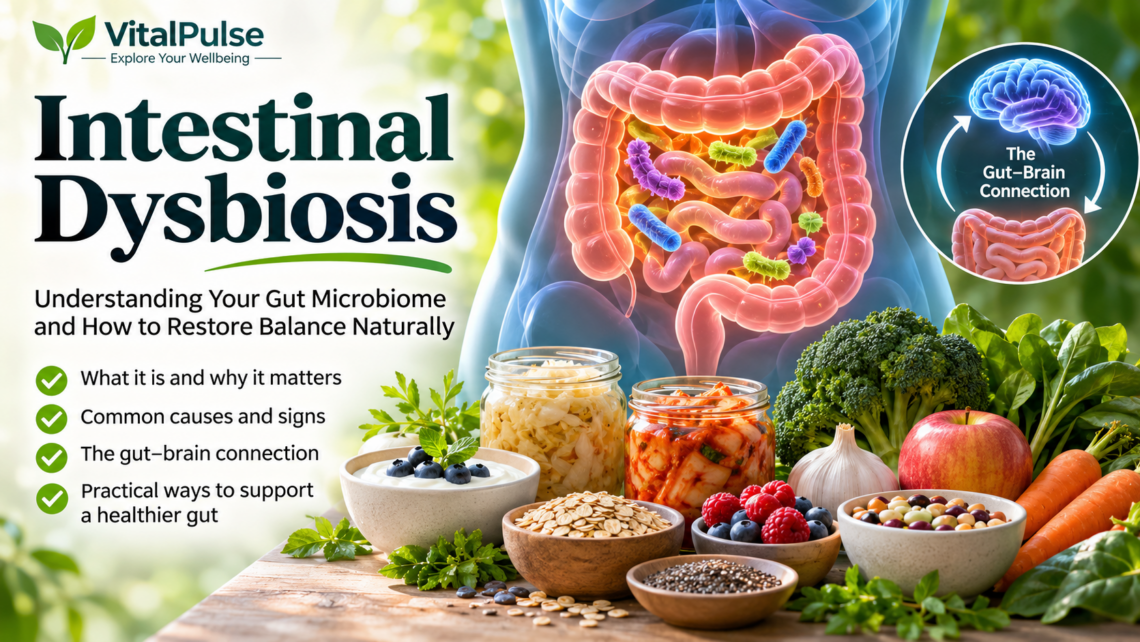
Intestinal Dysbiosis: Understanding Your Gut Microbiome and How to Restore Balance Naturally
Your gut is home to trillions of microorganisms that play an important role in digestion, nutrient absorption, immune function and even communication between your gut and brain. But what happens when this delicate ecosystem becomes disrupted? This imbalance is known as intestinal dysbiosis. Although it is often overlooked, the health of your intestinal microbiome can influence many aspects of your overall wellbeing. Understanding what dysbiosis is, what may contribute to it and how to support a healthier gut environment is an important step towards improving your quality of life. Let’s explore the subject and look at practical ways to support your digestive health. 1. What Is Intestinal Dysbiosis? Intestinal dysbiosis…