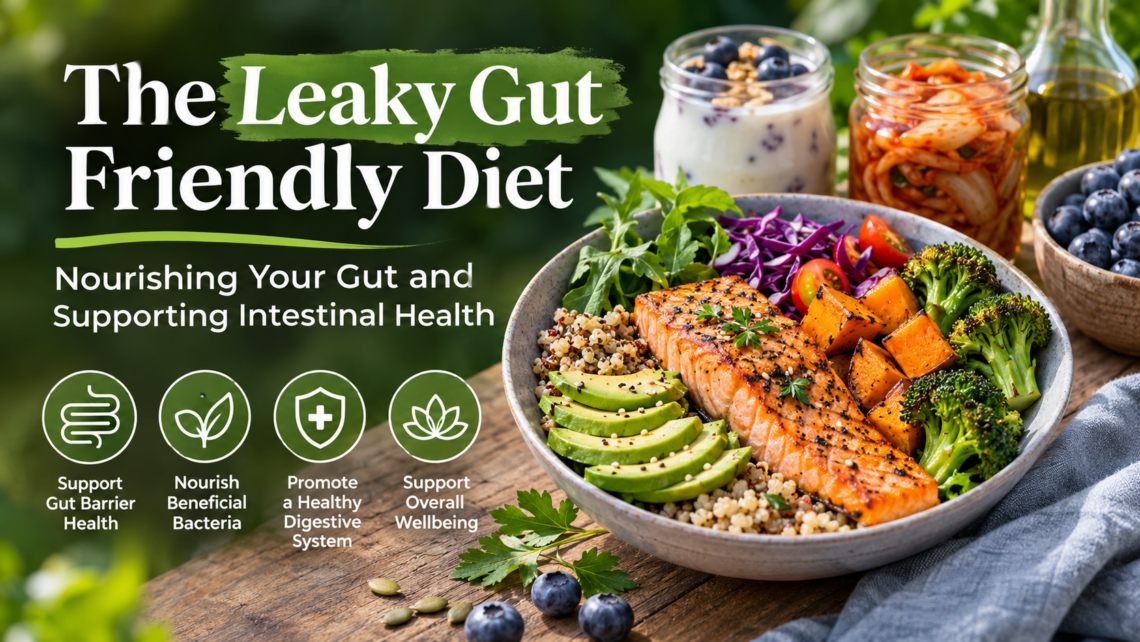
The Leaky Gut Friendly Diet: Nourishing Your Gut and Supporting Intestinal Health
Table of Contents
Introduction: Your Gut Health Starts With What You Eat
Have you ever wondered why digestive discomfort, bloating, food sensitivities, fatigue and even skin problems seem to occur together?
Your digestive system does far more than simply break down food. The intestinal tract plays an important role in nutrient absorption, immune function, communication with the nervous system and maintaining a protective barrier between the contents of your intestines and your bloodstream.
One term that has gained considerable attention in gut health discussions is Leaky Gut Syndrome, also known as increased intestinal permeability.
The intestinal lining naturally allows nutrients, water and electrolytes to pass into the bloodstream while helping prevent unwanted substances from crossing the intestinal barrier.
When this protective barrier becomes compromised, intestinal permeability can increase.
Although increased intestinal permeability is recognised in several medical conditions, the term “leaky gut syndrome” is often used more broadly in wellness discussions than the scientific evidence currently supports.
The good news is that nutrition can play an important role in supporting normal digestive function, maintaining the intestinal lining and nurturing a healthy gut microbiome.
Let’s explore how a gut-friendly diet can help support your body’s natural processes.
1. UNDERSTANDING THE GUT BARRIER
Your intestinal lining is made up of specialised cells connected by structures called tight junctions.
These junctions help regulate what passes between the intestinal cells.
The gut barrier also works together with:
- The gut microbiome: Trillions of microorganisms living in your digestive tract.
- The mucus layer: A protective coating that helps separate intestinal bacteria from the gut lining.
- The immune system: Which helps identify and respond to potential threats.
- The intestinal cells: Responsible for nutrient absorption and maintaining the barrier.
Several factors can influence intestinal barrier function, including:
- Chronic inflammation.
- Certain infections.
- Excessive alcohol consumption.
- Some medications, particularly frequent use of certain painkillers.
- Poor dietary patterns.
- Conditions such as coeliac disease and inflammatory bowel disease.
Supporting gut health therefore requires more than simply eliminating certain foods. It involves creating an environment in which the digestive system can function properly.
2. FOODS THAT SUPPORT A HEALTHY GUT
A gut-friendly eating pattern focuses on nutrient-dense whole foods that provide fibre, antioxidants, healthy fats, vitamins and minerals.
Here are some of the most beneficial food groups to include.
A. Fibre-Rich Vegetables
Vegetables provide essential vitamins, minerals and dietary fibre.
Certain types of fibre act as prebiotics, providing nourishment for beneficial gut microorganisms.
Good choices include:
- Carrots.
- Broccoli.
- Spinach.
- Sweet potatoes.
- Pumpkin.
- Green beans.
- Beetroot.
- Zucchini.
- Butternut.
Why they matter:
Gut bacteria ferment certain fibres and produce short-chain fatty acids, including butyrate. These compounds help nourish colon cells and support normal intestinal barrier function.
Tip: If you experience bloating or digestive discomfort, introduce fibre gradually. Cooked vegetables may be easier to tolerate than large raw salads.
B. Fermented Foods
Fermented foods can introduce beneficial microorganisms and support microbial diversity.
Consider including:
- Plain, unsweetened yoghurt containing live cultures.
- Kefir.
- Sauerkraut.
- Kimchi.
- Traditional fermented vegetables.
Why they matter:
Research suggests that certain fermented foods may positively influence gut microbial diversity and aspects of immune function.
Start with small portions and observe how your digestive system responds.
C. Omega-3 Rich Foods
Omega-3 fatty acids are important components of healthy cell membranes and play a role in regulating inflammatory processes.
Good sources include:
- Sardines.
- Salmon.
- Mackerel.
- Walnuts.
- Chia seeds.
- Ground flaxseeds.
Including oily fish regularly can be a valuable addition to a balanced diet.
D. Healthy Fats
Healthy fats help with the absorption of fat-soluble vitamins and provide energy.
Good choices include:
- Extra virgin olive oil.
- Avocados.
- Almonds.
- Walnuts.
- Pumpkin seeds.
- Sunflower seeds.
Olive oil, in particular, is a central component of the Mediterranean dietary pattern, which is associated with several positive health outcomes.
E. Polyphenol-Rich Foods
Polyphenols are naturally occurring plant compounds with antioxidant properties.
They are found in:
- Blueberries.
- Strawberries.
- Pomegranates.
- Apples.
- Red grapes.
- Green tea.
- Extra dark chocolate.
Some polyphenols interact with gut microorganisms and may help support a healthy microbial environment.
3. FOODS TO REDUCE OR AVOID
A gut-friendly diet isn’t about creating an unnecessarily restrictive lifestyle. Instead, it is about reducing dietary patterns that may negatively affect digestive health.
Consider limiting the following:
Ultra-processed foods: Often high in refined carbohydrates, salt and additives.
Excessive added sugar: Can displace nutrient-rich foods and contribute to poor dietary quality.
Excessive alcohol: Can impair intestinal barrier function.
Processed meats: Associated with poorer long-term health outcomes.
Deep-fried foods: Often high in unhealthy fats.
Excessive artificial sweeteners: Some may affect digestive symptoms or gut microorganisms.
Important: Gluten and dairy do not automatically cause leaky gut in everyone.
People with coeliac disease, lactose intolerance or specific food allergies may need to avoid particular foods. However, unnecessarily eliminating entire food groups can lead to nutritional deficiencies.
If you suspect coeliac disease, get tested before eliminating gluten, as doing so can affect test accuracy.
4. THE IMPORTANCE OF PREBIOTICS AND PROBIOTICS
Two important components of gut health are prebiotics and probiotics.
Prebiotics
Prebiotics are substances, particularly certain types of dietary fibre, that beneficial gut microorganisms can use as nourishment.
Examples include:
- Onions.
- Garlic.
- Asparagus.
- Oats.
- Legumes.
- Slightly green bananas.
- Chicory root.
Probiotics
Probiotics are live microorganisms that can provide health benefits when consumed in adequate amounts.
Food sources include:
- Live-culture yoghurt.
- Kefir.
- Certain fermented vegetables.
Not every probiotic strain has the same effect. Benefits are strain-specific, and supplements are not necessarily required for everyone.
The goal is to encourage a diverse and balanced gut microbiome through consistent dietary habits.
5. ESSENTIAL NUTRIENTS FOR GUT HEALTH
Your intestinal lining requires a variety of nutrients to maintain normal structure and function.
Here are some worth paying attention to.
ZINC
Role: Supports normal tissue repair and immune function.
Food sources: Pumpkin seeds, meat and legumes.
VITAMIN A
Role: Supports epithelial tissue maintenance.
Food sources: Carrots, pumpkin and eggs.
VITAMIN D
Role: Supports immune regulation.
Food sources: Oily fish, eggs and fortified foods.
VITAMIN C
Role: Supports collagen formation and antioxidant protection.
Food sources: Citrus fruits, peppers and berries.
MAGNESIUM
Role: Involved in hundreds of metabolic processes.
Food sources: Nuts, seeds and leafy greens.
PROTEIN
Role: Provides amino acids for tissue maintenance.
Food sources: Eggs, fish, chicken and legumes.
FOLATE
Role: Supports normal cell division.
Food sources: Spinach, beans and lentils.
A varied diet is generally the best starting point for obtaining these nutrients.
High-dose supplementation is not automatically beneficial and should be guided by individual nutritional needs.
6. A SIMPLE LEAKY GUT FRIENDLY DAILY MEAL PLAN
You don’t need expensive superfoods or complicated recipes to improve your eating habits.
Here is an example of a simple daily eating pattern.
Breakfast
- Oats prepared with milk or an alternative.
- A banana or handful of berries.
- A sprinkle of ground flaxseeds.
Lunch
- Two boiled eggs or grilled chicken.
- Cooked vegetables.
- A slice of wholegrain bread.
Afternoon Snack
- Plain yoghurt.
- A small handful of nuts or seeds.
Dinner
- Grilled sardines, chicken or beans.
- Sweet potato or brown rice.
- Cooked spinach, carrots or broccoli.
Hydration
- Drink water regularly throughout the day.
- Unsweetened herbal tea can provide additional variety.
The portions should be adjusted according to your appetite, activity level and nutritional requirements.
7. LIFESTYLE HABITS THAT SUPPORT GUT HEALTH
Gut health is influenced by much more than food.
The digestive system communicates continuously with the brain through the gut-brain axis.
Stress, sleep disruption and lifestyle habits can influence digestive function.
Consider incorporating these practices:
1. Manage Chronic Stress
Chronic stress can influence gut motility, digestive sensitivity and communication between the brain and digestive system.
Gentle breathing exercises, mindfulness and spending time outdoors may help regulate the stress response.
2. Prioritise Sleep
Consistent, restorative sleep supports normal metabolic, hormonal and immune processes.
3. Move Your Body
Walking, gentle exercise and regular physical activity support bowel function and overall metabolic health.
4. Eat Slowly
Chewing thoroughly and eating without rushing may improve digestive comfort.
5. Maintain Regular Eating Habits
Consistent meal patterns can help establish a predictable digestive routine.
8. HOW LONG DOES IT TAKE TO IMPROVE GUT HEALTH?
There is no universal recovery timeline for increased intestinal permeability or digestive problems.
Some people notice improvements in bloating, bowel regularity and digestive comfort within a few weeks of changing their eating habits.
However, underlying conditions such as coeliac disease, inflammatory bowel disease or intestinal infections require appropriate diagnosis and treatment.
A healthier dietary pattern should be viewed as a long-term commitment rather than a quick fix.
Consistency matters more than perfection.
If you experience persistent diarrhoea, unexplained weight loss, blood in your stool, ongoing abdominal pain or significant digestive symptoms, seek medical assessment.
9. THE VITALPULSE APPROACH: SUPPORTING THE BODY FROM WITHIN
At VitalPulse, we believe wellbeing is best approached by considering the interconnected nature of the body.
The digestive system does not operate independently. It interacts with several other systems, including:
- The immune system.
- The nervous system.
- The endocrine system.
- The metabolic system.
- The body’s inflammatory response.
A healthy gut environment begins with the basics: nourishing food, adequate hydration, restorative sleep, movement and stress management.
Rather than chasing expensive supplements or restrictive diets, start by building sustainable habits that support your body’s natural processes.
Remember, the objective isn’t to achieve a perfect gut. It is to create the conditions that support normal digestive and overall health.
FINAL THOUGHTS: NOURISH YOUR GUT, NOURISH YOUR WELLBEING
Your gut is one of the foundations of your overall health.
Every meal is an opportunity to provide your body with the nutrients it needs to maintain healthy tissues, support beneficial microorganisms and carry out essential biological processes.
You don’t need to change everything overnight.
Start small. Add more vegetables, introduce fibre gradually, include fermented foods if tolerated, drink enough water and reduce your reliance on heavily processed foods.
A healthier gut begins with consistent, everyday choices.
YOUR VITALPULSE WELLBEING CHALLENGE
For the next seven days, try these five simple actions:
- Include one additional serving of vegetables daily.
- Drink water regularly throughout the day.
- Include a fibre-rich food with your meals.
- Reduce ultra-processed foods.
- Spend 10 minutes walking or practising mindful breathing.
Reflection: What changes do you notice in your digestion, energy levels and general wellbeing?
Curious About NLS Bioresonance Scanning?
What if you could explore your body’s energetic patterns from a different perspective?
At VitalPulse, we invite you to discover NLS (Non-Linear System) Bioresonance Scanning – an alternative wellness exploration approach designed to provide insights into energetic patterns and potential areas of imbalance within the body’s systems.
Whether you’re interested in understanding your wellbeing more deeply, exploring the body’s interconnected systems, or simply curious about complementary approaches to wellness, an NLS scan offers an opportunity to explore a different perspective.
Why not experience it for yourself?
✨ Explore your body’s energetic patterns.
✨ Discover a different perspective on your overall wellbeing.
✨ Identify areas you may wish to explore further as part of your personal wellness journey.
🎁 Take the First Step – Explore NLS Bioresonance!
👉 EXPLORE NLS BIORESONANCE SCANNING
VitalPulse – Explore Your Wellbeing.
Reconnect. Reflect. Realign.
Please note: NLS Bioresonance scanning is offered as a complementary wellness exploration service. It is not a medically validated diagnostic tool and does not diagnose, treat, cure or prevent disease. It is not a substitute for professional medical advice, diagnosis or treatment.
VITALPULSE | EXPLORE YOUR WELLBEING
Reconnect. Reflect. Realign.
Visit: www.vitalpulse.co.za
DISCLAIMER: This article is intended for educational and general wellness purposes only. It is not intended to diagnose, treat or cure any medical condition, nor replace professional medical advice.