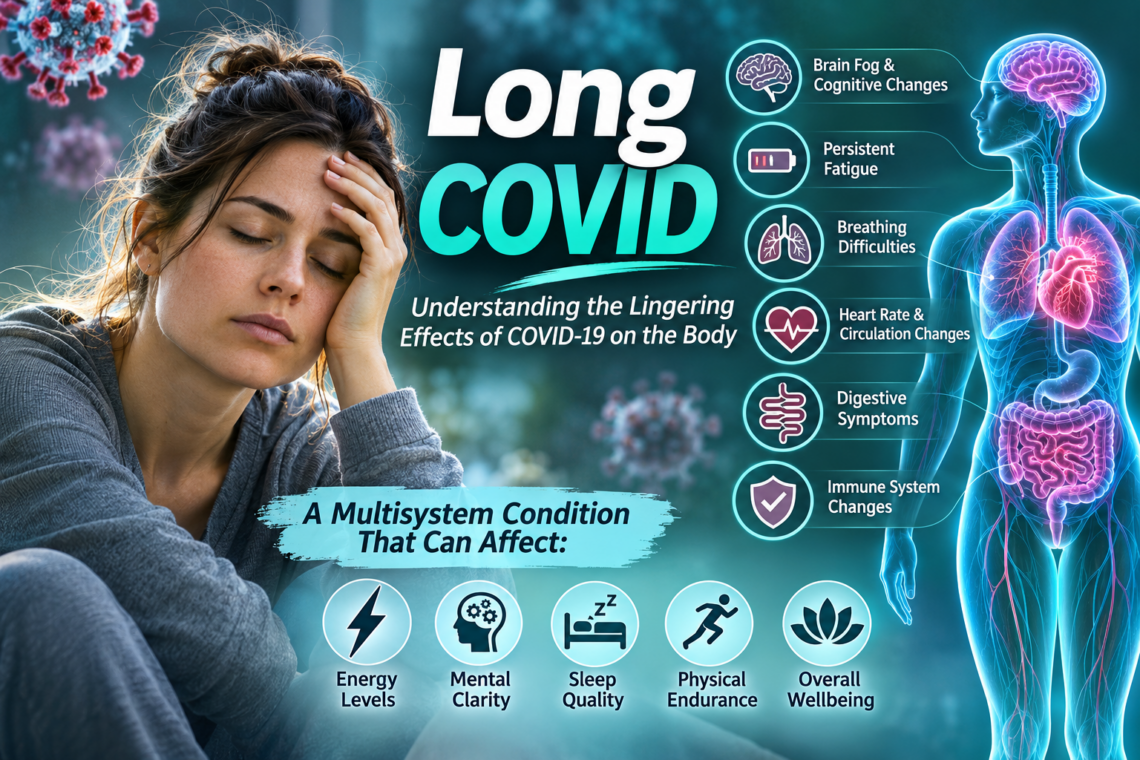
Long COVID: Understanding the Lingering Effects of COVID-19 on the Body
Introduction: When the Infection Ends, but the Symptoms Remain
For many people, recovering from COVID-19 means gradually returning to their normal lives. However, for others, the experience does not end when the initial infection clears.
Weeks, months, and sometimes years after contracting SARS-CoV-2, some individuals continue to experience fatigue, brain fog, muscle pain, breathing difficulties, sleep disturbances, digestive problems, and a wide range of other symptoms.
This condition is commonly known as Long COVID, also referred to as Post-COVID-19 Condition.
Long COVID has brought attention to an important aspect of human health: an infection can have effects that extend far beyond the period of acute illness. It can involve multiple organ systems, influence the body’s regulatory processes, and affect a person’s physical, cognitive, and emotional wellbeing.
Understanding Long COVID requires looking beyond the respiratory system and recognising the complex interactions between the immune system, nervous system, cardiovascular system, metabolism, and other physiological processes.
1. What Is Long COVID?
Long COVID describes a condition in which symptoms develop, persist, or reappear following an infection with SARS-CoV-2, the virus responsible for COVID-19.
According to the World Health Organization (WHO), Post-COVID-19 Condition generally occurs in individuals with a history of probable or confirmed COVID-19 infection, usually within three months of the initial illness, with symptoms lasting at least two months and not explained by another diagnosis.
Symptoms may:
- Continue from the original COVID-19 infection.
- Develop after an apparent recovery.
- Fluctuate in severity over time.
- Disappear temporarily and return later.
- Affect several body systems simultaneously.
Importantly, Long COVID can develop following mild, moderate, or severe COVID-19. A person does not necessarily need to have been hospitalised to experience prolonged symptoms.
There is also no single pattern of Long COVID. Two people may have very different experiences, even if they contracted the same virus.
2. Common Symptoms of Long COVID
Long COVID is associated with a broad range of symptoms. Some individuals experience only one or two persistent problems, while others experience symptoms affecting several body systems.
General and Musculoskeletal Symptoms
- Persistent fatigue and exhaustion.
- Muscle weakness.
- Joint and muscle pain.
- Generalised body aches.
- Reduced physical endurance.
- Post-exertional malaise (PEM).
- Unrefreshing sleep.
One particularly important feature is post-exertional malaise.
PEM describes a worsening of symptoms following physical, cognitive, or emotional activity that would previously have been manageable. This worsening may not occur immediately and can sometimes appear 12–48 hours after exertion.
Neurological and Cognitive Symptoms
- Brain fog.
- Difficulty concentrating.
- Memory problems.
- Headaches and migraines.
- Dizziness.
- Tingling or altered sensations.
- Sleep disturbances.
- Sensitivity to light and sound.
- Problems with balance and coordination.
Brain fog is one of the most frequently discussed symptoms. People may struggle to find words, remember information, follow conversations, or complete tasks that were previously routine.
Respiratory Symptoms
- Shortness of breath.
- Persistent coughing.
- Chest tightness.
- Reduced exercise tolerance.
- Difficulty taking a satisfying deep breath.
Some respiratory symptoms may be associated with lingering lung injury, while others may involve altered breathing regulation or cardiovascular and autonomic dysfunction.
Cardiovascular and Circulatory Symptoms
- Heart palpitations.
- Increased heart rate.
- Chest discomfort.
- Dizziness when standing.
- Exercise intolerance.
- Blood pressure fluctuations.
Some individuals develop Postural Orthostatic Tachycardia Syndrome (POTS), a condition involving an abnormal increase in heart rate when moving into an upright position.
Digestive Symptoms
- Nausea.
- Abdominal discomfort.
- Bloating.
- Diarrhoea.
- Constipation.
- Changes in appetite.
- Acid reflux.
The digestive system contains a complex network of immune cells, microorganisms, nerves, and blood vessels. Changes in these interactions may contribute to gastrointestinal symptoms following COVID-19.
Sensory and Other Symptoms
- Changes in smell and taste.
- Tinnitus (ringing in the ears).
- Hair shedding.
- Skin rashes.
- Temperature sensitivity.
- Menstrual cycle changes.
The diversity of symptoms highlights why Long COVID cannot be understood as a condition affecting only the lungs.
3. What Happens Inside the Body?
Researchers are investigating several biological mechanisms that may contribute to Long COVID.
There is currently no single explanation that accounts for every case. Different mechanisms may operate in different individuals, and several may occur simultaneously.
3.1 Persistent Immune Activation
During an acute viral infection, the immune system activates inflammatory pathways to identify and eliminate the invading pathogen.
In some individuals, immune regulation may remain altered after the initial infection.
This may involve:
- Changes in inflammatory signalling molecules.
- Altered immune cell activity.
- Persistent immune activation.
- Changes in immune system regulation.
Inflammation is a normal protective response, but prolonged or poorly regulated inflammatory activity can potentially affect tissues and normal physiological processes.
3.2 Viral Persistence and Reservoirs
One area of ongoing research concerns the possibility that SARS-CoV-2 components may persist in certain tissues after the acute infection.
Researchers have investigated whether viral material or reservoirs may remain in locations such as the gastrointestinal tract and other tissues.
This could potentially contribute to ongoing immune stimulation in some individuals.
However, the presence of viral material does not automatically demonstrate active infection or establish that it is responsible for a person’s symptoms.
3.3 Endothelial Dysfunction and Microcirculation
The endothelium is the thin layer of cells lining blood vessels.
It plays an important role in:
- Regulating blood vessel diameter.
- Controlling blood flow.
- Maintaining vascular integrity.
- Supporting normal clotting processes.
- Communicating with immune cells.
COVID-19 can affect vascular and endothelial function.
Researchers are investigating whether persistent endothelial dysfunction and abnormalities in the microcirculation may contribute to reduced tissue oxygen delivery, exercise intolerance, and fatigue in some people with Long COVID.
3.4 Mitochondrial Function and Cellular Energy
Mitochondria are structures inside cells that help produce the energy required for normal cellular activities.
They are particularly important in tissues with high energy demands, including the brain, heart, and skeletal muscles.
Researchers are exploring whether altered mitochondrial function, metabolic changes, and impaired cellular energy regulation may contribute to persistent fatigue and exercise intolerance.
This is an active research area, and mitochondrial dysfunction has not been established as the universal cause of Long COVID.
3.5 Autonomic Nervous System Dysfunction
The autonomic nervous system regulates many processes that occur automatically, including:
- Heart rate.
- Blood pressure.
- Digestion.
- Body temperature.
- Sweating.
- Breathing regulation.
Some individuals with Long COVID experience symptoms suggesting autonomic dysfunction.
This may include difficulty regulating heart rate and blood pressure when changing position, abnormal sweating, digestive disturbances, and temperature regulation problems.
Dysautonomia and POTS are important conditions to consider when these symptoms occur.
4. The Connection Between Long COVID and the Nervous System
The nervous system is closely connected to the immune system and other regulatory networks throughout the body.
Inflammatory signalling, changes in blood flow, altered autonomic regulation, sleep disturbances, and metabolic changes may all influence neurological functioning.
This may help explain why some people experience:
- Brain fog.
- Persistent headaches.
- Dizziness.
- Sensory disturbances.
- Sleep problems.
- Cognitive fatigue.
- Increased sensitivity to physical and mental stimulation.
The vagus nerve is particularly interesting because it forms part of the parasympathetic nervous system and communicates with organs throughout the body.
It contributes to the regulation of heart rate, digestion, and other internal processes.
Although vagal pathways are being investigated in relation to Long COVID, there is not yet sufficient evidence to conclude that impaired vagal function explains the condition as a whole.
5. Long COVID and Myalgic Encephalomyelitis / Chronic Fatigue Syndrome (ME/CFS)
One of the important developments in Long COVID research is the recognition that some individuals develop symptoms resembling Myalgic Encephalomyelitis / Chronic Fatigue Syndrome (ME/CFS).
ME/CFS is a complex chronic condition characterised by:
- Substantial reductions in the ability to perform normal activities.
- Post-exertional malaise.
- Unrefreshing sleep.
- Cognitive impairment or orthostatic intolerance.
Some individuals with Long COVID meet the diagnostic criteria for ME/CFS, while others do not.
The overlap is particularly important because it challenges the assumption that persistent fatigue can simply be overcome through increased exercise or determination.
For individuals experiencing PEM, pushing through symptoms can lead to significant deterioration.
A management approach known as pacing is often recommended. It involves balancing activity and rest to reduce the risk of symptom exacerbation.
6. The Gut-Immune Connection
The gastrointestinal tract is home to trillions of microorganisms collectively known as the gut microbiome.
These microorganisms interact with the immune system and contribute to digestion, nutrient metabolism, intestinal barrier function, and immune regulation.
COVID-19 can affect the gastrointestinal tract, and researchers are investigating whether changes in gut microbial composition and function may contribute to Long COVID.
Potential areas of interest include:
- Altered gut microbiome diversity.
- Changes in beneficial bacterial populations.
- Intestinal barrier disturbances.
- Altered immune signalling.
- Changes in microbial metabolites.
The gut-brain axis is another important area of research.
This communication network connects the digestive system with the central nervous system through neural, hormonal, immune, and metabolic pathways.
Changes in this network may potentially contribute to the digestive, neurological, and systemic symptoms experienced by some individuals.
7. Why Does Recovery Take So Long?
Recovery from Long COVID is highly individual.
Some people experience gradual improvement, while others have fluctuating symptoms or prolonged limitations.
Several factors may influence recovery:
Individual immune responses: People have different immune responses to infections, which may influence the development and persistence of symptoms.
Pre-existing health conditions: Certain underlying health conditions may influence the recovery process.
Initial infection severity: Severe acute illness and organ damage can contribute to ongoing complications, although Long COVID also occurs after mild infections.
Autonomic dysfunction: Problems with heart rate, blood pressure, and other automatic regulatory processes may interfere with normal daily activities.
Sleep disruption: Poor-quality sleep can worsen fatigue, concentration, pain sensitivity, and emotional wellbeing.
Post-exertional malaise: Repeatedly exceeding an individual’s energy limitations may trigger symptom flare-ups and complicate recovery.
There is currently no universally effective treatment or established recovery timeline for Long COVID.
8. Supporting Wellbeing During Long COVID
Although there is no single treatment that resolves Long COVID, supportive strategies can help individuals manage symptoms and improve their quality of life.
The appropriate approach depends on the symptoms, underlying conditions, and individual activity tolerance.
8.1 Respect Energy Limitations
One of the most important principles is learning to recognise personal energy limitations.
Pacing involves:
- Breaking larger tasks into smaller activities.
- Alternating activity with rest.
- Avoiding the temptation to push through significant symptoms.
- Monitoring delayed reactions to physical or mental exertion.
- Adjusting daily activities according to symptom fluctuations.
Individuals experiencing post-exertional malaise should avoid fixed, progressively increasing exercise programmes unless appropriately assessed and advised by a healthcare professional.
8.2 Prioritise Sleep
Sleep supports immune regulation, neurological functioning, memory, and tissue maintenance.
Helpful sleep habits include:
- Maintaining consistent sleep and waking times.
- Creating a comfortable sleeping environment.
- Reducing stimulating activities before bedtime.
- Avoiding excessive caffeine late in the day.
- Addressing persistent sleep disturbances with a healthcare professional.
8.3 Support Nutritional Wellbeing
A balanced nutritional approach can help support normal physiological functioning.
Consider:
- Eating regular, balanced meals.
- Including adequate protein.
- Consuming a variety of vegetables and fruits.
- Including fibre-rich foods where tolerated.
- Maintaining adequate hydration.
- Avoiding unnecessary restrictive diets.
Nutritional supplements should not be viewed as a proven cure for Long COVID. Supplementation is best guided by identified deficiencies, dietary requirements, and professional advice.
8.4 Manage Stress and Emotional Wellbeing
Living with persistent symptoms can be emotionally exhausting.
Uncertainty, reduced independence, financial pressures, and changes in personal relationships can contribute to additional stress.
Mindfulness, gentle breathing practices, relaxation techniques, and appropriate psychological support may help individuals cope with the emotional burden of chronic illness.
These approaches should complement medical care rather than replace it.
8.5 Seek Appropriate Medical Assessment
Long COVID can resemble other medical conditions.
A healthcare professional may investigate issues such as anaemia, thyroid dysfunction, cardiac complications, respiratory conditions, sleep disorders, and autonomic dysfunction.
Chest pain, fainting, significant breathlessness, or new neurological symptoms should not automatically be attributed to Long COVID and may require urgent medical assessment.
9. Exploring the Body as an Interconnected System
Long COVID highlights the importance of understanding the human body as an interconnected network rather than a collection of isolated organs.
The immune system communicates with the nervous system. The nervous system influences digestion and cardiovascular regulation. The circulatory system delivers oxygen and nutrients to tissues. Metabolic processes support cellular activity.
When one or more of these systems are disrupted, the effects may extend throughout the body.
A holistic wellbeing perspective encourages us to consider several interconnected areas:
- Immune wellbeing: Understanding normal immune function and inflammatory regulation.
- Nervous system wellbeing: Supporting sleep, relaxation, and autonomic regulation.
- Cardiovascular wellbeing: Recognising the importance of healthy circulation and blood pressure regulation.
- Digestive wellbeing: Supporting adequate nutrition and gastrointestinal function.
- Metabolic wellbeing: Maintaining balanced nutrition and normal energy metabolism.
- Emotional wellbeing: Recognising the psychological challenges associated with chronic symptoms.
This broader perspective does not replace medical diagnosis or treatment. Instead, it encourages a more comprehensive understanding of the factors that influence daily wellbeing.
10. Can Long COVID Be Prevented?
The most effective way to reduce the risk of Long COVID is to reduce the risk of SARS-CoV-2 infection.
Evidence-based preventive measures include:
- Improving indoor ventilation.
- Practising appropriate hygiene.
- Using well-fitting masks in higher-risk environments when appropriate.
- Staying home when ill where possible.
- Seeking timely medical advice when symptoms develop.
Reinfection may also contribute to the risk of post-COVID complications.
Conclusion: Recovery Requires Understanding, Patience, and Support
Long COVID has demonstrated that the effects of a viral infection can extend well beyond the initial illness.
For many individuals, the condition affects far more than physical energy. It can influence cognition, circulation, digestion, sleep, emotional wellbeing, and the ability to participate in everyday life.
Although researchers continue to investigate the underlying mechanisms, it is increasingly recognised that Long COVID is a complex, multisystem condition requiring individualised assessment and management.
Perhaps one of the most important lessons is that recovery should not be measured solely by how much a person can accomplish in a day.
Understanding personal limitations, respecting the body’s responses, seeking appropriate medical support, and developing sustainable wellbeing habits can all play a role in navigating the recovery journey.
The goal is not simply to push the body harder. It is to understand what the body is experiencing and provide the appropriate support.
Explore Your Wellbeing with VitalPulse
At VitalPulse, we believe that wellbeing begins with understanding the interconnected systems that influence how we feel, function, and experience everyday life.
Our approach encourages curiosity, self-awareness, and a broader exploration of physical and emotional wellbeing.
If you are interested in exploring your wellbeing through complementary approaches, you can learn more about our remote NLS Bioresonance Scanning services.
Discover more: https://vitalpulse.co.za/remote-nls-bioresonance-scanning/
Please note: NLS Bioresonance scanning is a complementary wellness service and is not a scientifically validated diagnostic method. It cannot diagnose Long COVID, detect viral persistence, measure inflammation, or establish organ dysfunction. It should not replace appropriate medical assessment, testing, or treatment.
Medical Disclaimer
This article is intended for educational and general informational purposes only. It does not constitute medical advice, diagnosis, or treatment. Long COVID is a recognised medical condition that may require assessment and ongoing management by qualified healthcare professionals. Always seek appropriate medical advice regarding persistent, worsening, or unexplained symptoms.


You May Also Like

Alternative & Integrative Health: A Holistic Approach to Improving Your Quality of Life

Follicular Cysts: Understanding Their Causes, Symptoms, Diagnosis & Natural Ways to Support Reproductive Health
