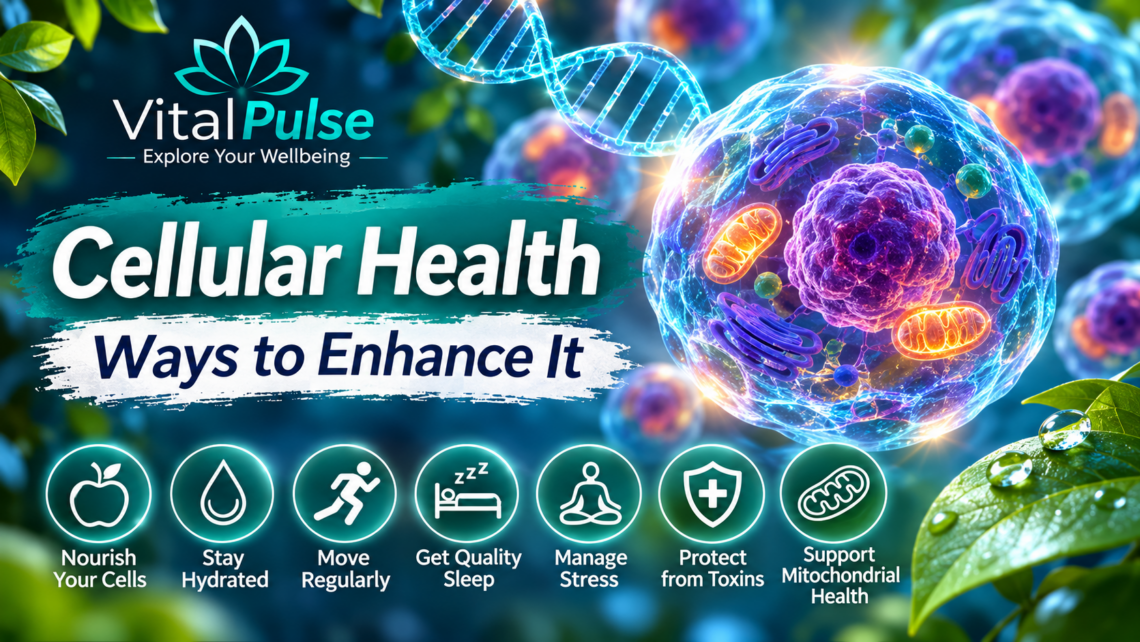
Cellular Health: Simple Ways to Nourish, Protect and Enhance Your Cells
Your health begins at the cellular level.
Every second, countless processes are taking place inside your body. Your heart is beating, your brain is communicating, your muscles are contracting, your immune system is responding and your tissues are repairing themselves.
Behind all these processes are trillions of tiny living structures: your cells.
Although we often focus on individual organs, symptoms or physical conditions, it is important to remember that every organ and body system depends on the health and functioning of its individual cells.
When we support our cells, we help create the foundations for overall wellbeing.
But what exactly is cellular health, and what can we do every day to support it?
Let’s explore.
1. What Is Cellular Health?
Cellular health refers to how effectively our cells perform the many functions necessary to keep us alive and functioning.
Each cell is like a miniature biological factory, carrying out thousands of processes simultaneously.
Healthy, functioning cells need to:
- Produce energy to power their activities.
- Maintain healthy cell membranes.
- Receive nutrients and oxygen.
- Remove metabolic waste products.
- Communicate with neighbouring cells.
- Repair damaged structures.
- Maintain a balanced internal environment.
- Respond appropriately to signals from the body.
When these processes work efficiently, our cells can perform their specialised functions.
For example, muscle cells help us move, nerve cells transmit information, liver cells process substances and immune cells protect us against harmful microorganisms.
Cellular health is therefore not just about individual cells. It is fundamental to the functioning of the entire body.
2. Understanding the Powerhouse: Mitochondria
One of the most fascinating components of cellular health is the mitochondrion.
Often called the powerhouse of the cell, mitochondria are specialised structures responsible for producing most of the energy that our cells use.
This energy is stored in a molecule called ATP (adenosine triphosphate).
ATP powers countless biological activities, including:
- Muscle contraction.
- Nerve signalling.
- Cellular repair.
- Nutrient transportation.
- Metabolic processes.
- Maintaining cellular balance.
Mitochondria also participate in cellular signalling, metabolism and the regulation of programmed cell death.
When mitochondrial function is impaired, it can affect the ability of cells to meet their energy demands.
How can we support mitochondrial health?
Some important lifestyle factors include:
- Regular physical activity.
- Eating a varied, nutrient-rich diet.
- Getting sufficient quality sleep.
- Managing chronic stress.
- Avoiding smoking.
- Maintaining good metabolic health.
Our mitochondria respond to our lifestyle. Regular movement, for example, encourages the body to adapt by improving mitochondrial function and capacity.
3. The Importance of Healthy Cell Membranes
Every cell is surrounded by a protective structure called the cell membrane.
Think of it as the cell’s security gate.
The membrane separates the internal environment of the cell from its surroundings while controlling what enters and leaves.
It also plays an important role in cellular communication.
Healthy cell membranes are particularly important because they help regulate:
- Nutrient absorption.
- Waste removal.
- Electrolyte balance.
- Communication between cells.
- Responses to hormones and other signalling molecules.
Cell membranes contain a significant amount of fat, particularly phospholipids.
This is one reason why the quality of dietary fats matters.
Foods that support cell membrane health
Consider incorporating:
- Avocados.
- Olive oil.
- Walnuts.
- Almonds.
- Chia seeds.
- Flaxseeds.
- Oily fish such as sardines and salmon.
These foods provide various fatty acids and other nutrients that contribute to normal cellular function.
4. Nutrition: Feeding Your Cells What They Need
Our cells depend on nutrients supplied through the food we eat.
A balanced diet provides the building blocks, vitamins, minerals and other compounds necessary for normal cellular processes.
Let’s look at some particularly important nutrients.
Magnesium
Magnesium participates in hundreds of biochemical reactions, including those involved in energy production, muscle function and nerve signalling.
Food sources include:
- Pumpkin seeds.
- Almonds.
- Spinach.
- Beans.
- Whole grains.
- Dark leafy vegetables.
B Vitamins
The B-complex vitamins help the body convert food into usable energy and support normal nervous system function.
Good sources include eggs, legumes, whole grains, meat, fish and leafy vegetables.
Vitamin C
Vitamin C contributes to normal collagen formation and protects cells against oxidative damage.
Sources include:
- Oranges.
- Lemons.
- Guavas.
- Peppers.
- Broccoli.
- Strawberries.
Zinc
Zinc supports normal immune function, DNA synthesis and cellular division.
Sources include meat, seafood, pumpkin seeds, legumes and nuts.
Omega-3 Fatty Acids
Omega-3 fatty acids are important components of cell membranes and participate in processes involved in normal inflammatory regulation.
Sources include sardines, salmon, flaxseeds, chia seeds and walnuts.
The VitalPulse approach: Rather than focusing on one miracle nutrient, aim for nutritional variety. Different nutrients work together to support the complex processes happening inside your cells.
5. Hydration: Why Water Matters at Cellular Level
Water is essential for life.
It makes up a significant proportion of the human body and provides the environment in which many cellular reactions take place.
Water supports:
- Nutrient transportation.
- Temperature regulation.
- Blood circulation.
- Digestion.
- Kidney function.
- Normal cellular processes.
Electrolytes such as sodium, potassium, calcium and magnesium also help regulate fluid balance and electrical activity in the body.
Dehydration can interfere with normal physiological processes and affect how we feel and function.
Simple ways to improve hydration
- Start your morning with a glass of water.
- Drink regularly throughout the day.
- Eat water-rich foods such as cucumber, watermelon and oranges.
- Increase fluid intake when exercising or spending time in hot weather.
- Pay attention to thirst and other signs of dehydration.
Remember that hydration is about maintaining balance, not forcing excessive amounts of water.
6. Oxidative Stress: Protecting Your Cells
One of the important factors influencing cellular health is oxidative stress.
During normal metabolism, cells produce molecules called reactive oxygen species (ROS). These are sometimes referred to as free radicals.
Although these molecules have important biological functions, excessive levels can contribute to damage involving:
- DNA.
- Proteins.
- Cell membranes.
- Other cellular structures.
The body has its own antioxidant defence systems to help regulate these molecules.
Oxidative stress can increase when the balance between oxidant production and antioxidant defences is disrupted.
Factors that may contribute include:
- Smoking.
- Excessive alcohol consumption.
- Chronic inflammation.
- Environmental pollutants.
- Poor metabolic health.
- Inadequate nutrition.
- Certain forms of prolonged physiological stress.
How can we support the body’s antioxidant defences?
Eat a variety of colourful plant foods.
Different fruits and vegetables contain different protective compounds, including vitamin C, vitamin E, carotenoids and polyphenols.
Some excellent choices include:
- Blueberries.
- Spinach.
- Broccoli.
- Tomatoes.
- Beetroot.
- Carrots.
- Citrus fruits.
- Red grapes.
Rather than relying on high-dose antioxidant supplements, prioritise a varied diet. High-dose supplements are not automatically beneficial and can sometimes be harmful.
7. Sleep: Your Body’s Cellular Maintenance Period
Sleep is far more than simply resting.
During sleep, the body carries out important maintenance and regulatory processes.
Sleep supports:
- Immune system function.
- Hormonal regulation.
- Metabolic health.
- Tissue repair.
- Brain function.
- Cellular stress-response pathways.
Insufficient sleep can disrupt these processes and affect the body’s ability to maintain normal physiological balance.
Improve your sleep naturally
- Aim for approximately 7–9 hours of sleep each night.
- Maintain a consistent bedtime.
- Reduce bright light exposure before bed.
- Avoid heavy meals immediately before sleeping.
- Keep your bedroom comfortable and dark.
- Develop a calming evening routine.
Good sleep is one of the simplest and most valuable investments you can make in your overall wellbeing.
8. Movement and Exercise: Activating Your Cellular Machinery
Your cells respond to physical activity.
Exercise is one of the most extensively studied ways to support mitochondrial function, metabolic health and the body’s ability to regulate blood glucose.
Physical activity also encourages the body to adapt at a cellular level.
Benefits include:
- Improved mitochondrial function.
- Better insulin sensitivity.
- Improved circulation.
- Increased muscle strength.
- Better metabolic regulation.
- Support for cardiovascular health.
You don’t necessarily need an expensive gym membership or an intense exercise programme.
Start with simple activities:
- Walking for 20–30 minutes.
- Gentle stretching.
- Cycling.
- Swimming.
- Light resistance exercises.
- Gardening or other everyday movement.
Consistency matters more than intensity when establishing a sustainable routine.
9. Stress Management and Cellular Wellbeing
Our cells do not operate independently of our nervous system.
The brain, nervous system, hormones and immune system are constantly communicating with one another.
When we experience stress, the body activates physiological responses involving hormones such as cortisol and adrenaline.
These responses are useful in the short term. However, prolonged or poorly regulated stress can influence sleep, immune function, metabolism and inflammatory processes.
Supporting emotional and nervous system wellbeing is therefore an important part of a holistic approach to cellular health.
Gentle practices to consider
- Deep, relaxed breathing.
- Meditation.
- Spending time in nature.
- Mindfulness.
- Journaling.
- Gentle movement.
- Maintaining meaningful social connections.
- Making time for rest.
Remember that relaxation is not laziness. It is an important part of maintaining balance.
10. Reduce Your Exposure to Cellular Stressors
Supporting cellular health is not only about adding beneficial things to your lifestyle. It is also about reducing unnecessary exposures that can place additional stress on the body.
Consider limiting:
- Cigarette smoke.
- Excessive alcohol consumption.
- Highly processed foods.
- Excessive added sugar.
- Chronic sleep deprivation.
- Prolonged inactivity.
- Unnecessary exposure to environmental pollutants.
You do not need to achieve perfection.
Small, consistent improvements can contribute to better long-term health.
11. Autophagy: The Cell’s Natural Recycling System
One particularly fascinating cellular process is called autophagy.
The word autophagy comes from Greek and essentially means self-eating.
It describes a natural process through which cells identify, break down and recycle certain damaged or unnecessary components.
Think of it as an internal housekeeping system.
Autophagy helps cells:
- Remove damaged cellular components.
- Recycle proteins and other materials.
- Maintain cellular quality control.
- Adapt to changing nutrient conditions.
- Respond to certain forms of cellular stress.
Autophagy is a normal biological process that occurs continuously, although its activity varies depending on factors such as nutrient availability, cellular energy status and other physiological signals.
Can lifestyle influence autophagy?
Research suggests that exercise and nutrient availability can influence autophagy-related pathways.
However, this does not mean that extreme fasting or restrictive diets are necessary to improve cellular health.
A balanced approach to nutrition, regular exercise and adequate recovery is a more sustainable starting point.
12. The Connection Between Cellular Health and Energy Healing
At VitalPulse, we are interested in exploring wellbeing from a broader perspective.
Cellular health provides an interesting meeting point between physical biology, energy metabolism and the body’s regulatory systems.
From an established scientific perspective, cells rely on measurable electrical, chemical and biochemical processes.
For example:
- Nerve cells communicate through electrical and chemical signals.
- Heart cells generate electrical activity that coordinates the heartbeat.
- Cell membranes maintain electrical gradients.
- Mitochondria generate energy through complex biochemical processes.
These are measurable aspects of biological function.
In complementary and energy-healing traditions, practitioners may also use concepts such as energetic balance, biofield and energy flow to describe aspects of wellbeing.
These concepts can provide a framework for personal reflection and holistic exploration, but they should not be confused with established measurements of cellular health.
It is important to recognise that there is currently insufficient reliable clinical evidence to establish that energy healing or bioresonance scanning can directly repair cells, improve mitochondrial function or diagnose cellular abnormalities.
At VitalPulse, we believe in exploring different perspectives while remaining mindful of the distinction between established science, emerging research and complementary wellness approaches.
The goal is to encourage greater awareness of the relationship between lifestyle, physical wellbeing and personal balance.
13. Your Daily Cellular Health Checklist
Improving cellular health does not have to be complicated.
Start by introducing a few simple habits into your everyday routine.
Morning
- Drink a glass of water.
- Get some natural daylight.
- Eat a nourishing breakfast.
- Spend a few minutes stretching or moving.
During the day
- Eat a variety of whole foods.
- Include vegetables and fruit.
- Drink water regularly.
- Take movement breaks.
- Practise a few minutes of mindful breathing.
Evening
- Enjoy a balanced meal.
- Reduce unnecessary screen exposure.
- Make time to relax.
- Establish a consistent bedtime.
- Prioritise restorative sleep.
Small habits, repeated consistently, can make a meaningful difference to your long-term wellbeing.
Final Thoughts: Health Begins Within
We often think about health in terms of symptoms, illnesses and individual organs.
But beneath all of these is something much smaller and incredibly important: the cell.
Every movement, thought, breath and biological process depends on the extraordinary work taking place inside our cells.
We cannot control every aspect of our biology, but we can influence many of the conditions that support healthy cellular function.
By nourishing our bodies, staying hydrated, moving regularly, managing stress and prioritising sleep, we create a healthier internal environment for our cells to do what they are designed to do.
Remember: You don’t have to change everything overnight. Start with one small habit, practise it consistently and build from there.
Your wellbeing is a journey, and sometimes the most meaningful changes begin at the smallest level.
Reconnect. Reflect. Realign.
VitalPulse – Explore Your Wellbeing.
Disclaimer: This article is intended for general educational and wellness purposes only. It does not constitute medical advice, diagnosis or treatment. Nutritional and lifestyle recommendations should be adapted to individual needs. Consult a qualified healthcare professional regarding persistent symptoms, medical conditions or significant dietary changes. Complementary wellness practices should not replace appropriate medical care.