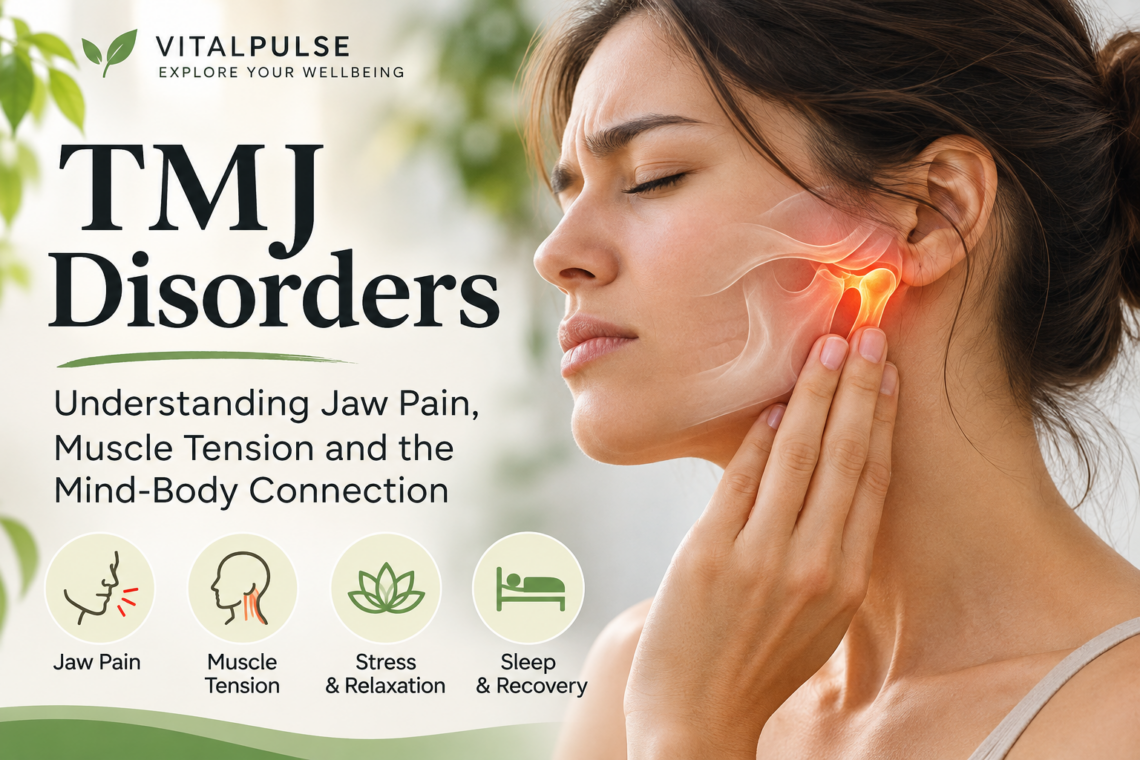
TMJ Disorders: Understanding Jaw Pain, Muscle Tension and the Mind-Body Connection
Table of Contents
TMJ Disorders: Your jaw does much more than help you chew and speak. It is connected to an intricate network of muscles, nerves, joints and surrounding structures that influence how you move, breathe, sleep and experience physical tension.
Jaw clicking, facial pain, headaches, neck stiffness and even discomfort around the ears can sometimes be associated with a condition known as Temporomandibular Joint Disorder (TMD).
Understanding how the jaw works, what contributes to dysfunction and how to support your body naturally can be an important step towards improving your overall wellbeing.
Let’s explore the relationship between the jaw, muscles, nervous system and everyday habits.
1. What Is the Temporomandibular Joint (TMJ)?
The temporomandibular joints (TMJs) are two small but incredibly important joints located on either side of your head, immediately in front of your ears.
They connect your lower jawbone (mandible) to your skull (temporal bone).
These joints allow you to:
- Open and close your mouth.
- Chew and grind food.
- Speak and pronounce words.
- Yawn.
- Move your jaw from side to side.
- Move your lower jaw forwards and backwards.
Each joint contains a small cushioning structure called an articular disc, which helps the joint move smoothly and distributes pressure during movement.
The joint works together with several muscles, including the masseter, temporalis and pterygoid muscles.
When these structures become irritated, overloaded or dysfunctional, symptoms may develop.
2. What Is TMJ Disorder (TMD)?
TMJ is the abbreviation for the joint itself. The term Temporomandibular Disorders (TMD) describes a group of conditions affecting the jaw joint, surrounding muscles and associated structures.
TMD can involve the joint, the muscles responsible for jaw movement, or a combination of both.
Common symptoms include:
- Pain or tenderness around the jaw.
- Clicking, popping or grinding sounds.
- Difficulty opening the mouth fully.
- Jaw stiffness, particularly in the morning.
- Facial discomfort.
- Pain around or in front of the ears.
- Headaches, particularly around the temples.
- Neck and shoulder tension.
- Pain when chewing.
- A feeling that the jaw is locking or catching.
Not everyone who experiences jaw clicking has a disorder. Joint sounds without pain or restricted movement are relatively common.
However, persistent pain, locking or difficulty eating should be assessed by an appropriate healthcare professional.
3. Understanding the Muscles Involved
The jaw does not operate independently. It relies on several muscles working together.
The Masseter
One of the strongest muscles involved in chewing. It runs along the side of the jaw and can become overworked through clenching or grinding.
The Temporalis
A broad, fan-shaped muscle located at the sides of the head. It assists with closing and stabilising the jaw.
Tension in this muscle may contribute to discomfort around the temples.
The Medial Pterygoid
Located deeper inside the jaw, this muscle assists with closing the mouth and moving the jaw from side to side.
The Lateral Pterygoid
This muscle plays an important role in opening the mouth and coordinating movement of the jaw joint and its articular disc.
When these muscles become strained or poorly coordinated, normal jaw movement can become uncomfortable.
4. What Causes TMJ Dysfunction?
There is rarely just one explanation for TMJ problems. TMD can develop through a combination of physical, behavioural and psychological factors.
Some common contributors include:
1. Teeth Clenching and Grinding (Bruxism)
Repeatedly clenching your teeth or grinding them, particularly during sleep, can place considerable strain on the jaw muscles and joints.
Stress, sleep disturbances and certain medications can contribute to bruxism.
2. Chronic Stress
Stress can influence muscle activity and increase unconscious jaw clenching.
Some people hold tension in their jaw without even realising it.
3. Poor Posture
Prolonged forward-head posture, particularly when working at a computer or looking down at a phone, can alter the position and loading of the head, neck and surrounding muscles.
Posture is not a proven single cause of TMD, but neck discomfort and jaw symptoms can occur together.
4. Previous Injury
A blow to the jaw, facial trauma, whiplash or other injuries may contribute to joint or muscle dysfunction.
5. Sleep Problems
Poor sleep quality, sleep disruption and certain sleep-related conditions can overlap with jaw pain and bruxism.
6. Arthritis and Joint Changes
Inflammatory or degenerative joint conditions can affect the temporomandibular joint, resulting in pain, stiffness and reduced movement.
7. Repetitive Jaw Habits
Frequent gum chewing, nail biting, chewing pens and constantly clenching the jaw can overload the muscles.
5. The Jaw, Neck and Nervous System Connection
One of the most interesting aspects of TMD is its relationship with the surrounding muscular and nervous systems.
The jaw, head and neck are functionally interconnected.
The trigeminal nerve (cranial nerve V) provides much of the sensation to the face and supplies motor control to the main muscles of mastication.
The upper cervical nerves also communicate with trigeminal pathways through a region of the nervous system known as the trigeminocervical complex.
This helps explain why pain originating in the jaw or upper neck can sometimes be experienced in neighbouring regions, including the temples and head.
The following structures are particularly relevant:
- Sternocleidomastoid (SCM): A large neck muscle involved in head rotation and movement.
- Suboccipital muscles: Small muscles at the base of the skull that help control head movement.
- Trapezius: A large muscle supporting the neck, shoulders and upper back.
- Masseter: The primary superficial chewing muscle.
- Temporalis: A muscle involved in jaw closure and stabilisation.
When several of these areas are sensitive or overworked, discomfort can become more widespread.
This does not mean that every headache, earache or neck problem originates from the jaw. Other causes must also be considered.
6. The Stress and Jaw-Tension Cycle
Your nervous system constantly responds to your internal and external environment.
During periods of prolonged stress, the body may spend more time in a heightened state of alertness.
This can influence:
- Muscle tension.
- Breathing patterns.
- Sleep quality.
- Pain sensitivity.
- Jaw clenching.
- Recovery and relaxation.
A common cycle can develop:
- Stress increases unconscious muscle tension.
- Jaw clenching places additional pressure on the muscles.
- Muscle discomfort develops.
- Pain interferes with relaxation and sleep.
- Poor sleep and ongoing discomfort increase stress.
Breaking this cycle requires more than focusing on the jaw itself.
Supporting relaxation, improving sleep habits and reducing repetitive muscle loading can all be useful parts of a broader approach.
7. Practical Ways to Support Jaw Health Naturally
The first approach to managing uncomplicated TMD is generally conservative. The objective is to reduce unnecessary strain, improve comfortable movement and allow irritated tissues to settle.
Here are some practical strategies.
A. Give Your Jaw a Break
Temporarily reduce activities that require excessive chewing.
Consider:
- Choosing softer foods such as soups, scrambled eggs, cooked vegetables and soft fish.
- Avoiding chewing gum.
- Avoiding hard sweets and chewy foods.
- Cutting food into smaller pieces.
- Avoiding excessively wide yawning.
- Not biting into hard foods with your front teeth.
This gives the jaw muscles and joints an opportunity to recover.
B. Apply Warm or Cold Compresses
Heat may help relax tight muscles, while cold may help soothe pain in some people.
Try:
- A comfortably warm compress against the jaw muscles for 10–15 minutes.
- A cold pack wrapped in a towel for short periods if that feels better.
- Never apply ice directly to the skin.
- Choose whichever temperature provides the greatest relief.
C. Become Aware of Jaw Clenching
One of the simplest habits to develop is learning to recognise when your jaw is unnecessarily tense.
At rest, aim for:
- Lips gently together.
- Teeth slightly apart.
- Tongue resting comfortably against the roof of the mouth.
- Jaw muscles relaxed.
Your teeth should generally only touch when chewing or swallowing.
Set a few reminders throughout the day to check whether you are clenching.
D. Gentle Jaw Relaxation
Gentle movement may help maintain comfortable jaw mobility.
Controlled Jaw Opening
- Sit upright and relax your shoulders.
- Place your tongue gently against the roof of your mouth.
- Slowly open your mouth within a comfortable range.
- Avoid forcing the movement.
- Slowly close your mouth.
- Repeat a few times if comfortable.
Stop if the exercise increases pain, causes locking or produces significant discomfort. A physiotherapist or dentist experienced in TMD can recommend exercises appropriate to your particular condition.
E. Pay Attention to Neck and Shoulder Posture
Your head and neck are supported by a complex network of muscles.
Spending prolonged periods with your head pushed forward can contribute to neck discomfort and muscular fatigue.
Helpful habits include:
- Keep your computer monitor approximately at eye level.
- Avoid constantly looking down at your phone.
- Take regular movement breaks.
- Allow your shoulders to relax.
- Avoid holding your head in one position for extended periods.
- Use a comfortable pillow that supports your neck without forcing it into an awkward position.
The goal is comfortable movement rather than maintaining one supposedly perfect posture all day.
F. Support Your Nervous System
Because stress and pain can influence one another, relaxation is an important part of a holistic approach.
Consider incorporating:
- Slow, comfortable breathing.
- Mindfulness meditation.
- Gentle walking.
- Progressive muscle relaxation.
- Time outdoors.
- A consistent sleep routine.
- Regular periods of rest.
Try breathing gently through your nose where comfortable, allowing your shoulders, face and jaw to soften.
You don’t need to force deep breathing. The intention is to encourage a comfortable, relaxed breathing pattern.
8. Nutrition and Inflammation
Nutrition plays an important role in general muscle function, tissue maintenance and overall health.
Although there is no specific diet proven to cure TMJ disorders, a balanced nutritional approach can support general wellbeing.
Consider prioritising:
Protein: Supports the maintenance and repair of body tissues. Include eggs, fish, chicken, beans and other suitable protein sources.
Magnesium-rich foods: Magnesium contributes to normal muscle and nerve function. Sources include pumpkin seeds, legumes, leafy greens and whole grains.
Omega-3 fatty acids: Found in oily fish such as sardines and pilchards, as well as some plant foods. They form part of a balanced diet.
Colourful vegetables and fruit: Provide vitamins, minerals and beneficial plant compounds.
Adequate hydration: Water supports normal physiological processes and helps maintain overall health.
Avoid assuming that supplements will resolve jaw dysfunction. Correcting a nutritional deficiency may support general health, but supplementation should be based on individual needs.
9. Sleep, Recovery and Bruxism
Sleep is an essential part of physical recovery.
People who grind or clench their teeth during sleep may wake up with:
- A tired or tight jaw.
- Tender facial muscles.
- Morning headaches.
- Tooth sensitivity.
- Neck discomfort.
Some practical sleep improvements include:
- Maintain a reasonably consistent bedtime.
- Create a relaxing evening routine.
- Reduce excessive screen exposure before bed.
- Avoid sleeping positions that place direct pressure on a painful jaw.
- Discuss persistent grinding with a dentist.
A dentist may recommend an appropriately fitted night guard to protect the teeth in certain cases. However, these appliances do not necessarily resolve the underlying TMD pain.
10. When Should You Seek Professional Help?
Although many TMD symptoms improve with conservative care, persistent or severe symptoms should not be ignored.
Consider consulting a dentist or doctor if you experience:
- Persistent or worsening jaw pain.
- Difficulty opening or closing your mouth.
- Repeated jaw locking.
- Painful clicking or grinding.
- Difficulty chewing or eating.
- Unexplained changes in your bite.
- Persistent facial or ear discomfort.
- Frequent headaches associated with jaw pain.
A sudden inability to open or close your jaw, significant swelling, fever or difficulty swallowing requires prompt medical assessment.
Seek emergency assistance for difficulty breathing, or jaw discomfort accompanied by chest pressure, shortness of breath, sweating or faintness. New visual disturbances or severe headache with jaw or temple pain also warrant urgent assessment.
A dentist, doctor or suitably trained physiotherapist can help determine whether symptoms originate from the jaw joint, muscles, teeth, neck or another condition.
Importantly, avoid rushing into irreversible dental procedures or surgery without a clear diagnosis and discussion of conservative alternatives.
11. A Holistic Perspective: Looking Beyond the Jaw
At VitalPulse, we believe that understanding the body means looking at how its different systems interact.
The jaw is not an isolated structure. Its function is influenced by muscular coordination, nerve communication, sleep, stress, movement and general physical health.
When exploring persistent jaw discomfort, it can be useful to consider several interconnected areas:
| Area | What to consider |
|---|---|
| Muscular system | Jaw, neck and shoulder tension |
| Nervous system | Stress responses and pain sensitivity |
| Structural health | Jaw movement and cervical spine function |
| Sleep health | Bruxism and sleep quality |
| Nutrition | Adequate nutrients and hydration |
| Emotional wellbeing | Stress management and relaxation |
| Daily environment | Posture, work habits and repetitive movements |
This broader perspective does not mean that emotional stress or nutritional deficiencies are necessarily responsible for someone’s jaw problems. Rather, it recognises that physical wellbeing is influenced by multiple factors.
The objective is to understand contributing factors instead of focusing exclusively on the location of the pain.
12. Your Daily TMJ Wellbeing Checklist
Small, consistent habits can make a difference in how you manage everyday jaw tension.
- Check whether I am clenching my teeth during the day.
- Keep my teeth slightly apart when resting.
- Avoid chewing gum and excessively hard foods.
- Take regular breaks from my computer or phone.
- Practise a few minutes of comfortable, relaxed breathing.
- Apply a warm or cold compress if helpful.
- Maintain comfortable neck and shoulder movement.
- Drink sufficient water throughout the day.
- Make time for relaxation and stress management.
- Prioritise a consistent and restful sleep routine.
Final Thoughts: Listen to What Your Body Is Telling You
Your jaw is involved in countless everyday activities, often without you giving it a second thought.
When discomfort develops, it can be an opportunity to become more aware of your habits, muscular tension, sleep patterns and overall wellbeing.
Rather than forcing the jaw to function through pain, focus on reducing unnecessary strain, encouraging comfortable movement and supporting your body’s natural recovery processes.
Remember, healing is not always about doing more. Sometimes it begins with doing less, slowing down and giving your body the attention it deserves.
Reconnect. Reflect. Realign.
Explore Your Wellbeing with VitalPulse.
Curious About NLS Bioresonance Scanning?
What if you could explore your body’s energetic patterns from a different perspective?
At VitalPulse, we invite you to discover NLS (Non-Linear System) Bioresonance Scanning – an alternative wellness exploration approach designed to provide insights into energetic patterns and potential areas of imbalance within the body’s systems.
Whether you’re interested in understanding your wellbeing more deeply, exploring the body’s interconnected systems, or simply curious about complementary approaches to wellness, an NLS scan offers an opportunity to explore a different perspective.
Why not experience it for yourself?
✨ Explore your body’s energetic patterns.
✨ Discover a different perspective on your overall wellbeing.
✨ Identify areas you may wish to explore further as part of your personal wellness journey.
🎁 Take the First Step – Explore NLS Bioresonance!
👉 EXPLORE NLS BIORESONANCE SCANNING
VitalPulse – Explore Your Wellbeing.
Reconnect. Reflect. Realign.
Please note: NLS Bioresonance scanning is offered as a complementary wellness exploration service. It is not a medically validated diagnostic tool and does not diagnose, treat, cure or prevent disease. It is not a substitute for professional medical advice, diagnosis or treatment.
Further Reading and References
For additional medically reviewed information:
- National Institute of Dental and Craniofacial Research – Temporomandibular Disorders
- NHS – Temporomandibular Disorder (TMD)
- NIDCR – Less Is Often Best in Treating TMD
Important Disclaimer: This article is intended for educational and general wellbeing purposes only. It is not intended to diagnose, treat or cure temporomandibular disorders or replace professional dental or medical advice. Always seek appropriate professional assessment for persistent or concerning symptoms.


You May Also Like

Cadmium Toxicity & Tobacco Smoke: The Hidden Heavy Metal Exposure That May Affect Your Health
Chromosome 18 – The Genetic Blueprint of Brain Development, Growth, Immunity, Metabolism & Cellular Regulation