What Is Metabolic Health?
Understanding Your Body’s Internal Energy System and Why It Matters
Your metabolism is about much more than burning calories or managing your weight. It is the complex system that keeps your body functioning, producing energy, repairing cells and maintaining balance.
We often hear people talking about metabolism, weight loss, blood sugar and energy levels. But one important concept that deserves more attention is metabolic health.
Metabolic health plays a fundamental role in how we feel, how our bodies function and how well we maintain our health as we age.
But what exactly is metabolic health, and what can we do to improve it?
Let’s explore.
Table of Contents
1. What Is Metabolic Health?
Metabolic health refers to how efficiently and effectively your body processes nutrients, produces energy, regulates blood sugar, manages fats and maintains essential physiological functions.
Every time you eat, your digestive system breaks food down into smaller components, including glucose, fatty acids and amino acids. These nutrients are absorbed and transported throughout the body, where they are used for energy, cellular repair, growth and storage.
Your metabolism is constantly working behind the scenes to maintain this delicate balance.
Good metabolic health means that your body can generally:
- Maintain healthy blood glucose levels.
- Respond appropriately to insulin.
- Convert nutrients into usable energy.
- Regulate blood fats and cholesterol.
- Maintain healthy blood pressure.
- Store and release energy when needed.
- Support normal cellular function.
Metabolic health is therefore not simply about how much you weigh. It is about what is happening inside your body.
2. Understanding the Role of Insulin
One of the most important hormones involved in metabolic health is insulin.
Insulin is produced by the pancreas and helps regulate the amount of glucose (sugar) circulating in your bloodstream.
When you eat carbohydrates, your digestive system breaks many of them down into glucose. This glucose enters your bloodstream, causing blood sugar levels to rise.
Your pancreas responds by releasing insulin.
Insulin acts like a key that helps cells take up glucose from the bloodstream so that it can be used for energy or stored for later use.
What Is Insulin Resistance?
Insulin resistance occurs when the body’s cells become less responsive to insulin.
As a result, the pancreas may need to produce more insulin to achieve the same effect. Over time, blood glucose levels may begin to rise, increasing the risk of developing prediabetes and type 2 diabetes.
Insulin resistance is associated with several metabolic health concerns, including:
- Increased abdominal fat.
- Elevated blood sugar.
- Increased triglycerides.
- Reduced HDL (good) cholesterol.
- Increased risk of metabolic syndrome.
Improving insulin sensitivity is an important part of supporting long-term metabolic health.
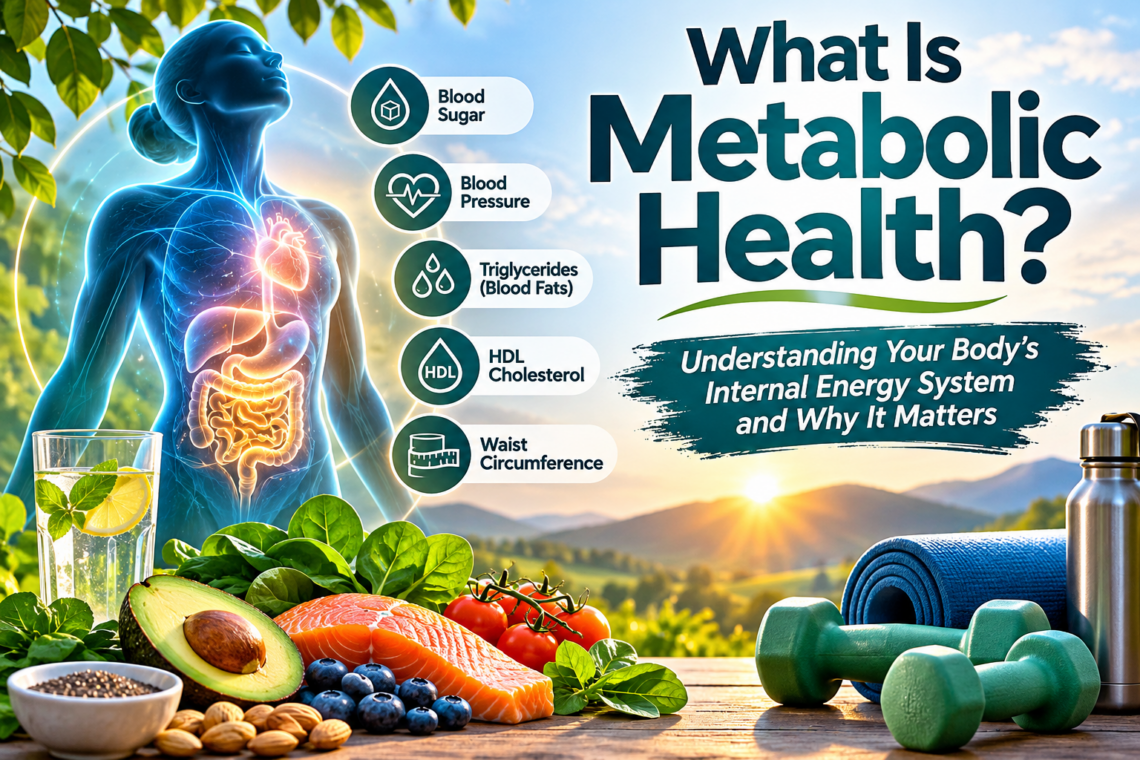
3. The Five Important Indicators of Metabolic Health
Healthcare professionals commonly assess several measurements to understand a person’s metabolic health.
Five particularly important indicators are:
1. Blood Glucose
Blood glucose measures the amount of sugar circulating in your bloodstream. Persistently elevated blood glucose may indicate problems with glucose regulation.
2. Blood Pressure
Blood pressure measures the force exerted by circulating blood against artery walls. Persistently elevated blood pressure places additional strain on the cardiovascular system.
3. Triglycerides
Triglycerides are a type of fat found in the blood. They are used by the body as an energy source, but persistently elevated levels can increase cardiovascular risk.
4. HDL Cholesterol
HDL is commonly referred to as good cholesterol. It helps transport cholesterol away from the arteries towards the liver for processing.
5. Waist Circumference
Excess fat stored around the abdominal area, particularly visceral fat surrounding internal organs, is associated with increased metabolic risk.
When several of these indicators become abnormal together, a person may have a condition known as metabolic syndrome.
Metabolic syndrome is generally diagnosed when three or more recognised risk factors are present.
4. What Causes Poor Metabolic Health?
Metabolic health is influenced by a combination of lifestyle, environmental, genetic and biological factors.
Some of the most common contributors include:
Poor Dietary Habits
Regularly consuming excessive amounts of added sugar, refined carbohydrates and highly processed foods can make it more difficult to maintain healthy metabolic function.
Physical Inactivity
Our muscles play an important role in glucose regulation. Regular movement helps muscles use glucose for energy and supports insulin sensitivity.
Chronic Stress
Long-term stress can influence hormones such as cortisol, which play a role in blood sugar regulation, appetite and energy metabolism.
Poor Sleep
Sleep is essential for hormonal regulation, recovery and metabolic function. Consistently insufficient or disrupted sleep can negatively affect insulin sensitivity.
Excessive Alcohol Consumption
Regular excessive alcohol intake can contribute to elevated triglycerides, liver problems and other metabolic disturbances.
Smoking
Smoking negatively affects cardiovascular health and is associated with increased insulin resistance and metabolic risk.
Genetics and Age
Family history, genetic predisposition and ageing can influence metabolic health. However, lifestyle habits remain important factors that can be modified.
5. The Connection Between Metabolic Health and Cellular Health
Your cells are where much of your body’s metabolic activity takes place.
Every cell requires energy to perform its specialised functions. This energy is largely produced through processes involving the mitochondria, often described as the powerhouses of the cell.
Mitochondria help convert energy from nutrients into ATP (adenosine triphosphate), the primary energy currency used by cells.
Healthy metabolic function supports:
- Cellular energy production.
- Normal tissue maintenance.
- Cellular repair and renewal.
- Communication between cells.
- Normal organ function.
When metabolic processes become disrupted, the effects can extend beyond blood sugar and body weight.
Metabolic dysfunction is associated with increased oxidative stress, chronic low-grade inflammation and changes in mitochondrial function.
This highlights why metabolic health should be considered an important part of overall cellular wellbeing.
6. How to Improve Your Metabolic Health Naturally
The encouraging news is that metabolic health can often be improved through consistent, manageable lifestyle changes.
You do not need an extreme diet, expensive supplements or complicated exercise programmes to begin.
Here are some important foundations.
1. Eat More Whole Foods
Build your diet around minimally processed foods whenever possible.
Include:
- Vegetables and leafy greens.
- Fresh fruit.
- Beans and legumes.
- Whole grains.
- Eggs.
- Fish and lean protein sources.
- Nuts and seeds.
- Healthy fats such as olive oil.
Fibre-rich foods are particularly beneficial because they support digestive health and help moderate the rate at which glucose enters the bloodstream.
2. Prioritise Protein
Protein provides essential amino acids required for tissue maintenance, muscle development, enzymes and numerous metabolic processes.
Include a suitable protein source with your meals.
Examples include eggs, fish, chicken, beans, lentils and yoghurt.
3. Move Your Body Every Day
Physical activity is one of the most effective ways to support metabolic health.
You do not necessarily need a gym membership.
Start with:
- Walking for 10–15 minutes after meals.
- Taking regular movement breaks.
- Gentle cycling.
- Bodyweight exercises.
- Resistance training.
- Stretching and mobility exercises.
Aim to gradually work towards at least 150 minutes of moderate-intensity physical activity per week, alongside muscle-strengthening activities.
4. Support Healthy Sleep
Your body needs sufficient quality sleep to regulate hormones, recover and maintain normal metabolic processes.
Try to:
- Maintain a consistent sleeping schedule.
- Reduce screen exposure before bedtime.
- Keep your bedroom comfortable and dark.
- Avoid excessive caffeine late in the day.
- Develop a relaxing evening routine.
5. Stay Properly Hydrated
Water supports numerous metabolic processes, including nutrient transport, temperature regulation, digestion and waste removal.
Make regular hydration part of your daily routine.
6. Manage Chronic Stress
Chronic stress can influence metabolic regulation and hormonal balance.
Consider incorporating:
- Slow breathing exercises.
- Meditation.
- Mindfulness.
- Time outdoors.
- Gentle movement.
- Relaxation techniques.
Supporting your nervous system is an important part of supporting your overall wellbeing.
7. Reduce Smoking and Excessive Alcohol
Avoiding tobacco and limiting or avoiding alcohol can support cardiovascular and metabolic health.
If you smoke, seeking support to quit is one of the most valuable long-term health changes you can make.
7. How Can You Assess Your Metabolic Health?
Metabolic health cannot reliably be determined by appearance, body weight or how energetic you feel.
Some metabolic abnormalities develop silently, without obvious symptoms.
A healthcare professional can assess your metabolic health through routine measurements and appropriate laboratory tests.
These may include:
| Measurement | What it helps assess |
|---|---|
| Fasting blood glucose | Blood sugar regulation |
| HbA1c | Average blood glucose over approximately 2–3 months |
| Fasting insulin | Insulin levels in a fasting state |
| Lipid profile | Cholesterol and triglyceride levels |
| Blood pressure | Cardiovascular health |
| Waist circumference | Abdominal fat distribution |
| Liver function tests | Certain aspects of liver health |
Not everyone requires every test. A healthcare professional can recommend appropriate investigations based on individual risk factors and medical history.
8. The Bigger Picture: Metabolic Health Is Whole-Body Health
One of the most important things to understand is that metabolic health does not exist in isolation.
It is interconnected with several other aspects of wellbeing.
Your digestive system influences how nutrients are broken down and absorbed.
Your liver plays an essential role in nutrient processing, glucose regulation and fat metabolism.
Your muscles help regulate glucose utilisation.
Your cardiovascular system transports oxygen and nutrients throughout the body.
Your nervous system and hormones help coordinate many of these processes.
Your sleep, stress levels, nutrition and daily movement all influence this interconnected network.
This is why a holistic approach to wellbeing is so important.
Rather than focusing exclusively on weight loss or individual symptoms, we should consider the bigger picture and support the body’s natural physiological processes.
Final Thoughts: Small Changes, Lasting Benefits
Metabolic health is one of the foundations of long-term wellbeing.
It influences how your body produces energy, regulates blood sugar, processes nutrients and maintains balance.
The good news is that small, consistent lifestyle improvements can make a meaningful difference over time.
You do not have to change everything overnight.
Start with one or two manageable habits. Improve your nutrition, take a daily walk, prioritise sleep and find healthier ways to manage stress.
Remember, wellbeing is not about perfection. It is about creating an environment in which your body can function as well as possible.
Reconnect. Reflect. Realign.
Explore Your Wellbeing with VitalPulse.
Curious About NLS Bioresonance Scanning?
What if you could explore your body’s energetic patterns from a different perspective?
At VitalPulse, we invite you to discover NLS (Non-Linear System) Bioresonance Scanning – an alternative wellness exploration approach designed to provide insights into energetic patterns and potential areas of imbalance within the body’s systems.
Whether you’re interested in understanding your wellbeing more deeply, exploring the body’s interconnected systems, or simply curious about complementary approaches to wellness, an NLS scan offers an opportunity to explore a different perspective.
Why not experience it for yourself?
✨ Explore your body’s energetic patterns.
✨ Discover a different perspective on your overall wellbeing.
✨ Identify areas you may wish to explore further as part of your personal wellness journey.
🎁 Take the First Step – Explore NLS Bioresonance!
👉 EXPLORE NLS BIORESONANCE SCANNING
VitalPulse – Explore Your Wellbeing.
Reconnect. Reflect. Realign.
Please note: NLS Bioresonance scanning is offered as a complementary wellness exploration service. It is not a medically validated diagnostic tool and does not diagnose, treat, cure or prevent disease. It is not a substitute for professional medical advice, diagnosis or treatment.
Further Reading & Scientific Resources
For those who would like to explore metabolic health in more detail:
- American Heart Association – Understanding Metabolic Syndrome
- National Heart, Lung, and Blood Institute – Metabolic Syndrome
- MedlinePlus – Metabolic Syndrome
- NHS – Metabolic Syndrome
- American Heart Association – Cardiovascular, Kidney and Metabolic Health
DISCLAIMER
The information provided in this article is intended for general educational and wellness purposes only. It is not intended to diagnose, treat, cure or prevent any medical condition and should not replace professional medical advice, diagnosis or treatment. Always consult a qualified healthcare professional regarding concerns about blood sugar, insulin resistance, blood pressure or metabolic health.