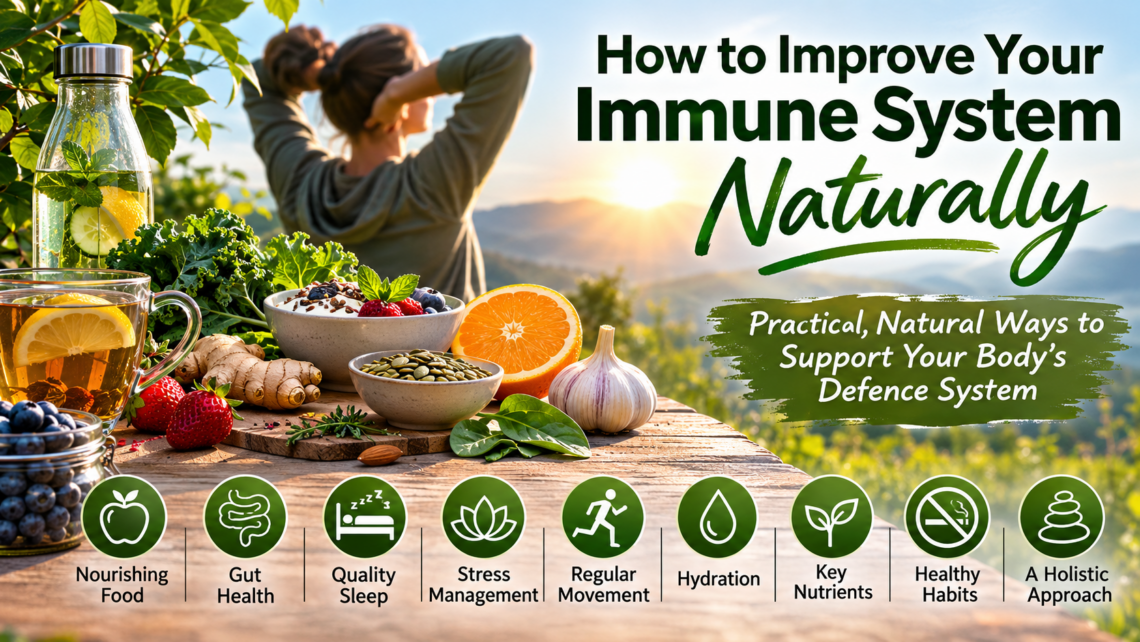
How to Improve Your Immune System Naturally
Supporting Your Body’s Natural Defence System Through Nutrition, Lifestyle & Holistic Wellbeing
How to improve your immune system naturally:
Your immune system is one of the most remarkable systems in your body. Every day, it works continuously to protect you against harmful microorganisms, recognise potential threats and maintain your overall health.
Yet, in today’s busy world, factors such as chronic stress, poor nutrition, insufficient sleep, inactivity and environmental exposures can place additional demands on our bodies.
The good news? There are many natural ways to support your immune system and encourage your body to function at its best.
At VitalPulse, we believe that wellbeing is about looking at the bigger picture. Rather than focusing on a single supplement or miracle remedy, we encourage a balanced approach that considers nutrition, gut health, emotional wellbeing, movement and recovery.
Let’s explore how you can naturally support your body’s defence system.
1. Understand How Your Immune System Works
Your immune system is a complex network of cells, tissues, organs and biological processes that work together to protect your body.
It consists of two primary components:
Innate Immune System
This is your body’s first line of defence. It includes physical barriers such as your skin and mucous membranes, as well as immune cells that respond quickly to potential threats.
Adaptive Immune System
This part of your immune system develops targeted responses to specific microorganisms. It can also develop immunological memory, allowing your body to recognise certain pathogens it has encountered before.
Both systems work together to protect your health.
It is important to understand that the goal isn’t to permanently stimulate or overactivate your immune system. Rather, it is to support a healthy, balanced immune response.
2. Nourish Your Body With Immune-Supporting Foods
Nutrition plays an important role in maintaining normal immune function.
Your immune cells require a variety of vitamins, minerals, amino acids and other nutrients to perform their functions effectively.
Try incorporating the following foods into your daily diet:
Vitamin C – Antioxidant Protection
Vitamin C contributes to normal immune function and helps protect cells against oxidative damage.
Food sources include:
- Oranges, lemons and grapefruit.
- Guavas.
- Kiwi fruit.
- Strawberries.
- Peppers.
- Broccoli.
Vitamin D – Immune Regulation
Vitamin D contributes to the normal functioning of the immune system.
Sources include:
- Moderate sunlight exposure.
- Eggs.
- Oily fish.
- Fortified foods.
Zinc – Cellular Defence
Zinc plays an important role in immune cell development and function.
Food sources include:
- Pumpkin seeds.
- Meat.
- Seafood.
- Eggs.
- Beans and lentils.
- Nuts.
Vitamin A – Supporting Protective Barriers
Vitamin A helps maintain healthy skin and the mucous membranes that form part of your body’s first line of defence.
Sources include:
- Carrots.
- Sweet potatoes.
- Spinach.
- Pumpkin.
- Eggs.
Selenium – Antioxidant Support
Selenium contributes to normal immune function and antioxidant enzyme activity.
Food sources include:
- Fish.
- Eggs.
- Meat.
- Whole grains.
- Brazil nuts.
Remember that variety is more important than relying on one particular superfood.
3. Look After Your Gut Health
Did you know that a significant part of your immune system is associated with your gastrointestinal tract?
Your digestive system is more than simply a place where food is broken down. It contains an extensive community of microorganisms known as the gut microbiome.
These microorganisms interact with your immune system and help maintain the intestinal barrier.
An imbalance in the gut microbiome, sometimes referred to as dysbiosis, may influence digestive health and immune regulation.
Here are some ways to support a healthy gut:
- Eat a variety of plant-based foods.
- Include fibre-rich foods in your diet.
- Consume fermented foods such as plain yoghurt and kefir.
- Include vegetables, fruit, legumes and whole grains.
- Drink sufficient water.
- Avoid unnecessary antibiotic use.
- Limit excessive consumption of highly processed foods.
Prebiotic foods provide nourishment for beneficial gut microorganisms. Examples include onions, garlic, oats, bananas and legumes.
Probiotic foods contain live microorganisms, such as certain fermented yoghurts and kefir.
A healthy gut is an important part of your overall wellbeing.
4. Prioritise Quality Sleep
Sleep is not simply a period of inactivity. It is an essential recovery process during which your body regulates numerous biological functions.
Research indicates that insufficient sleep can negatively affect immune responses.
Most adults should aim for approximately 7–9 hours of quality sleep each night.
Improve your sleep habits by:
- Going to bed and waking up at consistent times.
- Avoiding excessive screen exposure before bedtime.
- Keeping your bedroom dark, quiet and comfortable.
- Avoiding heavy meals immediately before sleeping.
- Limiting caffeine later in the day.
- Creating a relaxing evening routine.
Remember that recovery is just as important as activity.
5. Manage Stress and Support Your Nervous System
Chronic psychological stress can influence immune regulation through interactions between the nervous system, endocrine system and immune system.
When stress becomes prolonged, it can affect sleep, digestion, inflammation and other aspects of your health.
Learning to manage stress is therefore an important part of supporting overall wellbeing.
Consider incorporating:
Breathwork: Gentle, controlled breathing can help promote relaxation and regulate your stress response.
Meditation: Spending 5–10 minutes in quiet reflection can help calm the mind.
Time in Nature: Walking outdoors and connecting with natural surroundings can support emotional wellbeing.
Mindfulness: Practising awareness of the present moment can help reduce unnecessary mental tension.
Rest: Allow yourself time to slow down without feeling guilty about doing nothing.
Your body needs opportunities to recover from the demands of everyday life.
6. Move Your Body Regularly
Physical activity supports cardiovascular health, metabolic function and overall immune health.
You don’t need an expensive gym membership or an intense exercise programme to experience the benefits.
Simple activities can make a meaningful difference:
- Walking for 20–30 minutes.
- Gentle stretching.
- Cycling.
- Swimming.
- Gardening.
- Yoga or mobility exercises.
For most adults, the general physical activity recommendation is at least 150 minutes of moderate-intensity activity per week, alongside muscle-strengthening activities on two days.
Start gradually and choose activities that you enjoy.
Consistency is more important than intensity.
7. Stay Hydrated
Water is essential for almost every biological process in the body.
It supports circulation, digestion, temperature regulation and the maintenance of normal mucous membranes.
Your mucous membranes, particularly in your respiratory tract, form part of your body’s natural protective barriers.
To support adequate hydration:
- Drink water regularly throughout the day.
- Eat water-rich foods such as cucumber, watermelon and oranges.
- Increase fluid intake when exercising or sweating.
- Pay attention to thirst and urine colour.
- Avoid relying excessively on sugary beverages.
There is no single water requirement that suits everyone. Your needs depend on activity levels, climate, diet and individual circumstances.
8. Consider the Importance of Essential Nutrients
Although a balanced diet should be your primary source of nutrition, certain nutrients deserve particular attention when discussing immune health.
These include:
- Vitamin C.
- Vitamin D.
- Zinc.
- Selenium.
- Iron.
- Vitamin A.
- Vitamin B6 and B12.
- Folate.
Nutritional deficiencies can interfere with normal immune function.
However, taking excessive amounts of vitamins and minerals does not necessarily improve immunity. Some supplements can even cause harm when taken inappropriately.
If you suspect a deficiency, consider discussing appropriate testing and supplementation with a qualified healthcare professional.
9. Reduce Lifestyle Factors That Compromise Health
Supporting your immune system also means reducing behaviours that can negatively affect your overall health.
Consider making gradual improvements in the following areas:
Smoking: Cigarette smoke damages respiratory tissues and interferes with the body’s natural defence mechanisms. Stopping smoking is one of the most beneficial steps you can take for your health.
Excessive Alcohol: Heavy alcohol consumption can interfere with immune function and increase susceptibility to infections.
Highly Processed Foods: Regularly consuming excessive amounts of added sugars, unhealthy fats and highly processed foods can make it harder to maintain a balanced diet.
Sedentary Living: Prolonged inactivity can negatively affect metabolic and cardiovascular health.
Small, sustainable lifestyle changes can have lasting benefits.
10. Explore Holistic Approaches to Wellbeing
At VitalPulse, we recognise that wellbeing involves more than individual symptoms or isolated body systems.
A holistic approach considers the interconnected relationship between:
- Nutrition and metabolism.
- Digestive and intestinal health.
- Nervous system regulation.
- Sleep and recovery.
- Physical activity.
- Emotional wellbeing.
- Environmental influences.
Complementary wellbeing practices may form part of an individual’s personal wellness routine.
For example, breathwork, mindfulness, relaxation techniques and other supportive practices can complement healthy lifestyle choices.
Bioresonance scanning and Rife-based approaches are also explored within certain complementary and alternative wellbeing settings. However, their effectiveness in improving immune function or treating infections has not been established through reliable clinical evidence. They should not replace medical assessment, vaccination or proven treatments.
Our philosophy is to encourage curiosity, personal awareness and informed choices while respecting the importance of evidence-based healthcare.
A Simple Daily Immune-Support Routine
You don’t need to change everything overnight. Start with a few manageable habits and gradually build upon them.
Morning
- Drink a glass of water.
- Enjoy a nutritious breakfast.
- Spend some time outdoors.
- Do a few minutes of gentle movement.
Afternoon
- Eat a balanced meal containing vegetables and protein.
- Take a short walk.
- Stay hydrated.
- Take a few moments to relax and breathe.
Evening
- Enjoy a balanced dinner.
- Reduce screen time before bed.
- Practise relaxation or mindfulness.
- Aim for 7–9 hours of sleep.
Consistency is the foundation of sustainable wellbeing.
Final Thoughts: Work With Your Body, Not Against It
Your immune system is constantly working to maintain your health, even when you aren’t consciously aware of it.
There is no magic food, supplement, detox or treatment that can guarantee protection against illness.
However, the everyday choices you make can create a healthier environment in which your immune system can function normally.
Eat nourishing foods. Look after your gut. Prioritise sleep. Manage stress. Move regularly. Stay hydrated and give your body time to recover.
Most importantly, remember that improving your wellbeing is not about perfection. It is about making small, positive changes that you can maintain over time.
Reconnect. Reflect. Realign.
Explore your wellbeing with VitalPulse.
Recommended Further Reading
For readers who would like to explore the science behind immune health:
- CDC – Support Your Immune Health
- NIH – Dietary Supplements for Immune Function and Infectious Diseases
- NIH – Your Body’s Disease Defenses
Disclaimer
The information provided in this article is intended for general educational and wellness purposes only. It is not intended to diagnose, treat, cure or prevent any medical condition. Nutritional and lifestyle recommendations are not a substitute for professional medical advice. Supplements and complementary therapies may have contraindications or interact with medications. Always consult an appropriately qualified healthcare professional regarding individual health concerns.