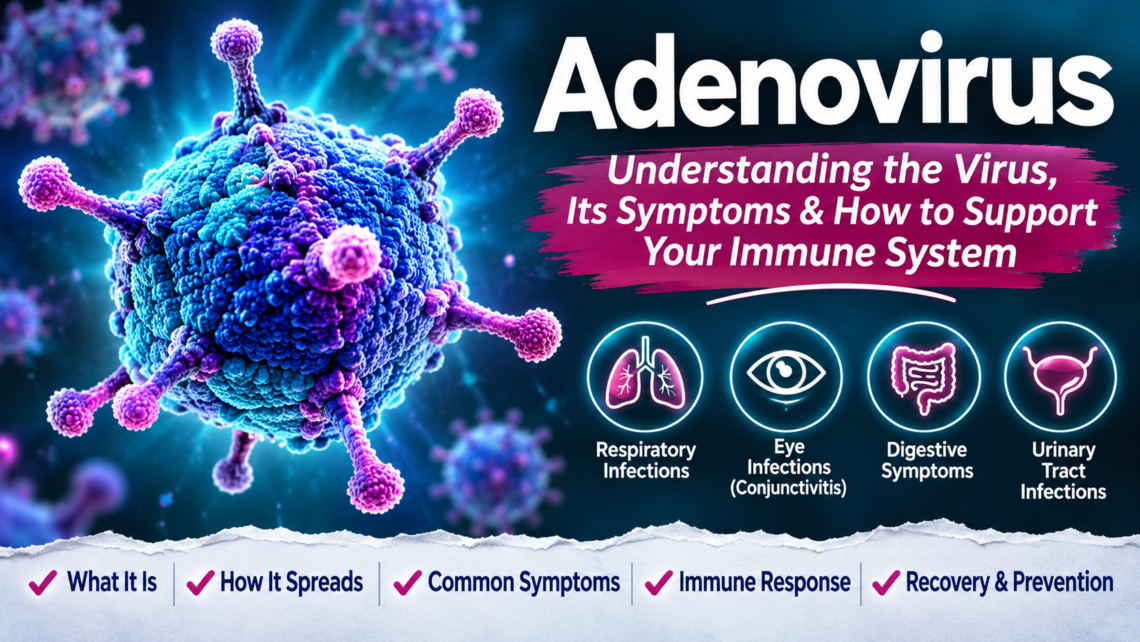
Adenovirus: Understanding the Virus, Its Symptoms & How to Support Your Immune System
Adenoviruses are a widespread group of viruses capable of affecting the respiratory system, eyes, digestive tract and other parts of the body. Although many infections are mild, understanding how adenoviruses spread, how the immune system responds and how to support recovery can help us make informed decisions about our wellbeing.
What Is Adenovirus?
Adenovirus refers to a large family of viruses belonging to the genus Mastadenovirus. These viruses can infect humans and are responsible for a variety of illnesses, ranging from common cold-like respiratory infections to conjunctivitis and gastrointestinal disturbances.
More than 100 recognised human adenovirus types have been identified, with different types showing preferences for particular tissues and organ systems.
Unlike influenza viruses and coronaviruses, adenoviruses are non-enveloped viruses. This means they do not have the outer lipid membrane found in many other viruses. Their genetic material consists of double-stranded DNA enclosed within a protein shell called a capsid.
The absence of a lipid envelope makes adenoviruses relatively resistant to environmental conditions and some common disinfectants. This contributes to their ability to survive on surfaces and spread through different transmission routes.
Adenoviruses circulate throughout the year and can infect people of all ages.
How Does Adenovirus Spread?
Adenoviruses are highly contagious and can spread through several pathways.
1. Respiratory droplets
When an infected person coughs or sneezes, virus-containing respiratory particles can be released into the surrounding air. Other people may become infected when they inhale these particles or when they reach their eyes, nose or mouth.
2. Direct contact
Touching an infected person’s hands or coming into contact with respiratory secretions can transfer the virus.
3. Contaminated surfaces
Adenoviruses can survive on certain environmental surfaces. Touching contaminated objects and subsequently touching the eyes, nose or mouth may result in infection.
4. Faecal-oral transmission
Some adenovirus types infect the gastrointestinal tract and can spread through contaminated food, water or inadequate hand hygiene.
5. Contaminated swimming pools
Certain adenovirus types can spread through inadequately chlorinated swimming water, contributing to outbreaks of conjunctivitis.
Adenovirus can sometimes continue to be shed after symptoms have improved, making transmission possible even during the recovery period.
Common Symptoms of Adenovirus Infection
The symptoms of adenovirus depend largely on the particular viral type and the tissues affected.
Some people experience only mild symptoms, while others may develop more significant illness.
1. Respiratory Symptoms
Respiratory adenovirus infections are among the most common presentations.
Symptoms may include:
- Sore throat
- Runny or blocked nose
- Sneezing
- Coughing
- Fever
- Headaches
- General fatigue
- Swollen lymph nodes
- Bronchitis-like symptoms
In some cases, adenovirus can cause pneumonia, particularly in young children, older adults and people with weakened immune systems.
2. Eye Infections (Conjunctivitis)
Certain adenovirus types can infect the conjunctiva, the thin membrane covering the white part of the eye and the inside of the eyelids.
This can result in viral conjunctivitis, commonly known as pink eye.
Symptoms include:
- Redness of the eyes
- Watery discharge
- Eye irritation
- Burning or itching
- Sensitivity to light
- Swollen eyelids
- A gritty sensation in the eyes
Adenovirus is an important cause of epidemic keratoconjunctivitis, a more severe form of eye infection that can also involve the cornea.
3. Gastrointestinal Symptoms
Some adenovirus types primarily affect the digestive system.
These infections are particularly common in young children.
Symptoms may include:
- Diarrhoea
- Abdominal discomfort
- Nausea
- Vomiting
- Fever
- Reduced appetite
- Dehydration
Adenovirus types 40 and 41 are particularly associated with childhood gastroenteritis.
4. Urinary Tract Symptoms
Certain adenovirus types can affect the urinary tract and bladder.
In some cases, this can cause haemorrhagic cystitis, an inflammation of the bladder that may produce:
- Painful urination
- Frequent urination
- Blood in the urine
- Lower abdominal discomfort
This complication is more frequently encountered in immunocompromised individuals.
What Happens Inside the Body During Adenovirus Infection?
Understanding the interaction between adenovirus and the immune system helps explain why symptoms can affect different parts of the body.
Step 1: Viral Entry
Adenovirus enters the body through the respiratory tract, eyes or digestive system.
The virus attaches to specific receptors on the surface of susceptible cells. Different adenovirus types use different cellular receptors, allowing them to infect particular tissues.
Step 2: Cellular Infection
Once attached to a cell, the virus enters it and transports its DNA into the cell nucleus.
Adenovirus uses the host cell’s biological machinery to replicate its genetic material and produce viral proteins.
New viral particles are assembled and released, allowing the infection to spread to neighbouring cells.
Step 3: Immune System Activation
The immune system recognises viral components through specialised detection mechanisms.
This activates several defence pathways, including:
- Interferon signalling
- Natural killer cell activity
- Inflammatory cytokine production
- Activation of macrophages
- T-cell responses
- Antibody production by B cells
These processes help identify infected cells, limit viral replication and coordinate the body’s antiviral response.
Step 4: Inflammation and Symptoms
Many symptoms associated with adenovirus are partly caused by the immune system’s response to infection.
Inflammatory signalling contributes to fever, fatigue, nasal congestion and general discomfort.
When the respiratory tract or eyes become inflamed, local symptoms such as coughing, irritation and watery eyes can develop.
Step 5: Recovery and Immune Memory
In most otherwise healthy individuals, the immune system eventually controls and clears the active infection.
Antibodies and specialised immune cells can provide protection against the same or closely related adenovirus types.
However, immunity is often type-specific, meaning infection with one adenovirus type does not necessarily protect against all the others.
Adenovirus and the Immune System
Adenovirus has an interesting relationship with the human immune system.
Unlike some viruses that primarily target a single organ, different adenovirus types can interact with multiple tissues and immune pathways.
The innate immune system provides the initial defence through interferons, inflammatory signalling and immune cells that recognise infected tissue.
The adaptive immune system develops a more targeted response through virus-specific antibodies and T lymphocytes.
One particularly important feature of adenovirus is its ability to interfere with certain immune defence mechanisms.
Some adenovirus proteins can influence interferon signalling, antigen presentation and other processes involved in antiviral immunity. These mechanisms help the virus survive and replicate within infected cells.
This interaction makes adenovirus an important subject in immunology research.
Adenovirus and the Major Histocompatibility Complex (MHC)
The Major Histocompatibility Complex (MHC) plays an important role in how the immune system recognises virus-infected cells.
MHC molecules help display fragments of proteins, known as antigens, on the surface of cells.
There are two major classes:
MHC Class I
MHC Class I molecules are present on most nucleated cells. They display intracellular protein fragments to CD8+ cytotoxic T cells.
When a cell becomes infected with adenovirus, viral proteins can be processed into fragments and presented through MHC Class I pathways.
This allows cytotoxic T cells to recognise and destroy infected cells.
MHC Class II
MHC Class II molecules are primarily expressed by specialised antigen-presenting cells, including dendritic cells, macrophages and B cells.
They display antigens to CD4+ helper T cells, helping coordinate broader immune responses.
Adenovirus has developed mechanisms that can interfere with antigen presentation, including the transport and expression of MHC Class I molecules.
This is one example of the complex relationship between viral infection and immune surveillance.
Who Is Most at Risk of Severe Adenovirus Infection?
Most adenovirus infections resolve without serious complications.
However, certain groups have an increased risk of developing severe illness:
- Infants and young children
- Older adults
- People with weakened immune systems
- Organ or stem cell transplant recipients
- Individuals receiving certain immunosuppressive treatments
- People with underlying respiratory or cardiovascular conditions
In immunocompromised individuals, adenovirus can occasionally cause more serious infections involving the lungs, liver, intestines, bladder or other organs.
How Is Adenovirus Diagnosed?
Adenovirus infections are often diagnosed based on symptoms and clinical assessment.
When laboratory confirmation is necessary, several tests may be used.
PCR testing
Polymerase Chain Reaction (PCR) testing can detect adenovirus genetic material in respiratory samples, stool, blood or other appropriate specimens.
Antigen testing
Some laboratory tests identify viral proteins in collected samples.
Viral culture
Although less commonly used for routine diagnosis, laboratory culture can identify adenovirus by allowing the virus to grow in susceptible cells.
The appropriate test depends on the symptoms, suspected infection site and clinical circumstances.
Supporting the Body During Adenovirus Recovery
There is currently no routinely recommended specific antiviral medication for uncomplicated adenovirus infections in otherwise healthy individuals.
Management generally focuses on relieving symptoms, maintaining hydration and allowing the body time to recover.
The following practices can support general wellbeing during recovery.
1. Prioritise Rest
Sleep and adequate rest help support normal immune function.
During an infection, the body uses additional energy to coordinate immune responses and repair affected tissues.
Allowing sufficient recovery time can help prevent unnecessary physical strain.
2. Maintain Hydration
Adequate fluid intake is particularly important when fever, sweating, vomiting or diarrhoea are present.
Water, soups and appropriate oral rehydration solutions can help maintain fluid and electrolyte balance.
3. Support Nutritional Intake
A varied diet containing vegetables, fruit, protein, healthy fats and whole foods provides nutrients required for normal immune function.
Important nutrients include:
- Vitamin C
- Vitamin D
- Zinc
- Vitamin A
- Selenium
- B vitamins
These nutrients contribute to normal immune processes, although supplementation does not specifically treat or eliminate adenovirus.
4. Support Respiratory Comfort
Depending on the symptoms, supportive measures may include:
- Using a clean humidifier when indoor air is dry
- Saline nasal sprays
- Avoiding cigarette smoke and other respiratory irritants
- Maintaining comfortable indoor ventilation
5. Maintain Eye Hygiene
When conjunctivitis is present, avoid rubbing the eyes.
Use clean hands and separate towels, and avoid sharing eye cosmetics or personal items.
Seek medical assessment if eye pain, light sensitivity or blurred vision develops.
6. Support Digestive Recovery
If gastrointestinal symptoms occur, maintaining hydration is especially important.
Once appetite returns, a balanced diet can help restore normal nutritional intake.
Persistent diarrhoea, blood in the stool or signs of dehydration require medical attention.
Preventing the Spread of Adenovirus
Because adenoviruses can survive on environmental surfaces, good hygiene is particularly important.
Practical prevention measures include:
- Washing hands regularly with soap and water.
- Avoiding touching the face with unwashed hands.
- Cleaning frequently touched surfaces.
- Avoiding the sharing of towels, cups and personal items.
- Covering coughs and sneezes.
- Staying home when experiencing fever or significant respiratory symptoms.
- Maintaining appropriate swimming pool hygiene and chlorination.
- Following appropriate infection-control precautions in healthcare settings.
Alcohol-based hand sanitisers may be less effective against some adenoviruses than thorough handwashing with soap and water.
When Should You Seek Medical Attention?
Although most adenovirus infections are mild, complications can occasionally develop.
Medical assessment is important if symptoms become severe, persist or worsen.
Seek urgent medical attention for:
- Difficulty breathing
- Chest pain
- Severe dehydration
- Persistent high fever
- Confusion or unusual drowsiness
- Severe abdominal pain
- Blood in the urine or stool
- Significant eye pain or changes in vision
People with weakened immune systems should seek medical advice promptly if adenovirus infection is suspected.
The VitalPulse Perspective: Understanding the Body as an Integrated System
At VitalPulse, we believe that wellbeing is best understood by considering the body as an interconnected system.
Adenovirus provides an interesting example of how an external biological challenge can involve multiple systems simultaneously.
The respiratory system provides one of the main entry points for infection. The immune system recognises and responds to viral material. The lymphatic system participates in immune surveillance and the movement of immune cells. The digestive system can also become involved, depending on the viral type.
These systems do not operate independently.
Their communication and coordination are essential components of the body’s normal protective and recovery processes.
From a holistic wellbeing perspective, this highlights the importance of considering several foundational areas:
- Rest and sleep quality
- Nutritional balance
- Hydration
- Stress management
- Respiratory health
- Digestive wellbeing
- Appropriate physical activity during recovery
These foundations do not replace medical treatment or directly eliminate viral infections. Rather, they form part of a broader approach to maintaining health and supporting the body’s natural physiological processes.
Final Thoughts
Adenovirus is a widespread family of viruses capable of affecting several different organ systems. Although most infections are self-limiting, understanding how these viruses spread and interact with the immune system helps us appreciate the complexity of the body’s defence mechanisms.
The immune system is constantly identifying potential threats, coordinating protective responses and maintaining balance within the body.
Supporting this process through adequate rest, hydration, balanced nutrition and sensible infection-prevention practices remains an important part of everyday wellbeing.
Understanding your body is the first step towards making more informed choices about your health.
At VitalPulse, we encourage curiosity, education and a balanced approach to exploring your wellbeing.
Curious About NLS Bioresonance Scanning?
What if you could explore your body’s energetic patterns from a different perspective?
At VitalPulse, we invite you to discover NLS (Non-Linear System) Bioresonance Scanning – an alternative wellness exploration approach designed to provide insights into energetic patterns and potential areas of imbalance within the body’s systems.
Whether you’re interested in understanding your wellbeing more deeply, exploring the body’s interconnected systems, or simply curious about complementary approaches to wellness, an NLS scan offers an opportunity to explore a different perspective.
Why not experience it for yourself?
✨ Explore your body’s energetic patterns.
✨ Discover a different perspective on your overall wellbeing.
✨ Identify areas you may wish to explore further as part of your personal wellness journey.
🎁 Take the First Step – Explore NLS Bioresonance!
👉 EXPLORE NLS BIORESONANCE SCANNING
VitalPulse – Explore Your Wellbeing.
Reconnect. Reflect. Realign.
Please note: NLS Bioresonance scanning is offered as a complementary wellness exploration service. It is not a medically validated diagnostic tool and does not diagnose, treat, cure or prevent disease. It is not a substitute for professional medical advice, diagnosis or treatment.
Disclaimer: This article is intended for educational and general wellbeing purposes only. It does not constitute medical advice, diagnosis or treatment. Adenovirus infections should be assessed by an appropriately qualified healthcare professional when necessary. Holistic wellbeing practices are complementary and should not replace appropriate medical care.

