Genetics
-
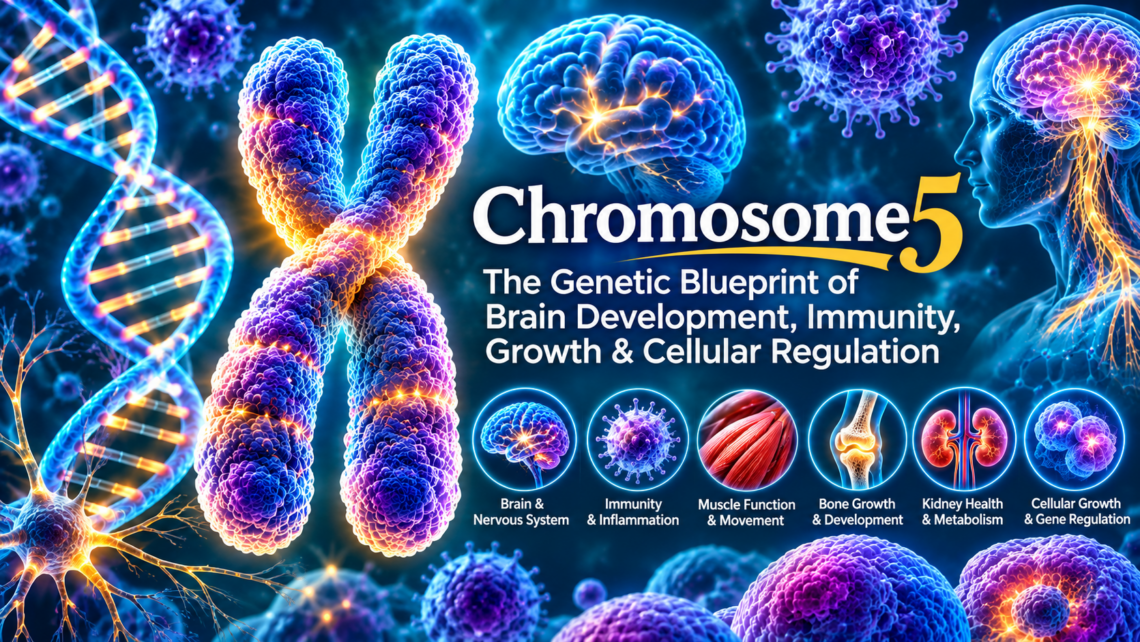
Chromosome 5: The Genetic Blueprint of Brain Development, Immunity, Growth & Cellular Regulation
Exploring the fascinating relationship between chromosome 5, neurological development, immune function, muscle activity, cellular growth and the body’s biological communication networks. Introduction: The Fifth Chapter of Our Genetic Blueprint Our DNA contains the biological instructions that guide the development, functioning and maintenance of the human body. Organised into 23 pairs of chromosomes, our genetic information influences everything from the formation of the nervous system to the regulation of cellular growth, immune responses and metabolic processes. Among these chromosomes, Chromosome 5 is particularly interesting because it contains genes involved in several important biological systems. It contributes to: Some of the most significant genes located on chromosome 5 include APC, SMN1, PURA,…
-
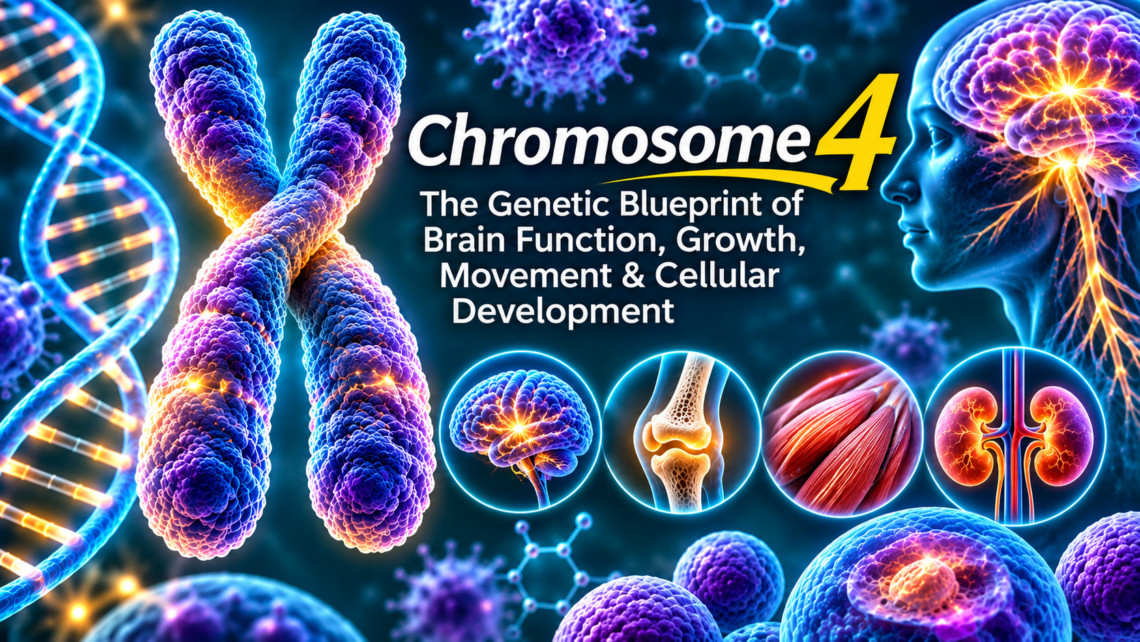
Chromosome 4: The Genetic Blueprint of Brain Function, Growth, Movement & Cellular Development
Exploring the fascinating relationship between chromosome 4, neurological function, muscle development, kidney health, cellular growth and human biology. Introduction: The Fourth Chapter of Our Genetic Blueprint The human genome is an extraordinary biological library containing the instructions that guide the development, functioning and maintenance of the human body. Organised into 23 pairs of chromosomes, our genetic information influences everything from the development of our nervous system to the way our cells communicate, grow and respond to their environment. Among these chromosomes, Chromosome 4 holds a particularly interesting place. It contains genes involved in neurological function, muscle development, kidney function, bone growth, cellular metabolism and the regulation of important biological processes.…
You May Also Like

Anaemia: Understanding the Causes, Recognising the Symptoms & Supporting Your Body Naturally
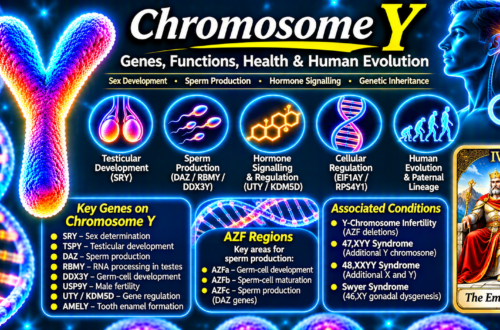
Chromosome Y: The Genetic Blueprint of Sex Development, Sperm Production, Hormone Signalling & Human Evolution
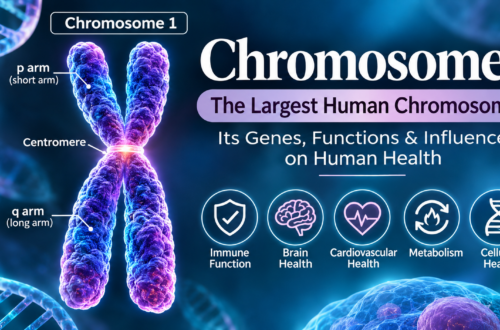
Chromosome 1: Exploring the Largest Human Chromosome, Its Genes, Functions & Influence on Human Health
-
Chromosome 3: The Genetic Blueprint of Development, Immunity, Metabolism & Human Potential
Exploring the fascinating relationship between chromosome 3, cellular communication, brain development, immune regulation and the body’s biological complexity. Introduction: The Third Chapter of Our Genetic Blueprint Our DNA contains an extraordinary amount of information. Within every cell, chromosomes organise this information into structures that help regulate growth, development, cellular activity and the maintenance of life. Among the 23 pairs of human chromosomes, Chromosome 3 occupies an important position. Although it may not receive as much attention as some of the more widely discussed chromosomes, it contains genes involved in numerous biological processes, including brain development, immune function, cellular signalling, metabolism and the regulation of gene activity. Chromosome 3 is particularly…
-
Chromosome 2: The Evolutionary Story, Its Genes, Functions & Influence on Human Health
Exploring the second-largest human chromosome, its fascinating evolutionary origins, genetic functions, neurological connections and role in human development. Chromosome 2 holds one of the most fascinating stories in human genetics. Unlike the other human chromosomes, Chromosome 2 carries evidence of an extraordinary evolutionary event: the fusion of two ancestral chromosomes that occurred during the evolution of the human lineage. But its significance extends far beyond our evolutionary history. Chromosome 2 contains hundreds of genes involved in brain development, immune function, cellular growth, metabolism, tissue development and many other essential biological processes. From genes involved in embryonic development to those associated with neurological conditions and cancer research, Chromosome 2 offers a…
You May Also Like
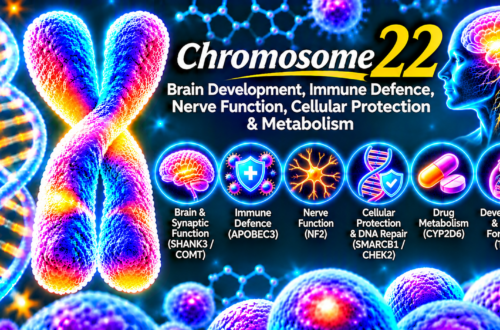
Chromosome 22 – The Genetic Blueprint of Brain Development, Immune Defence, Nerve Function, Cellular Protection & Metabolism
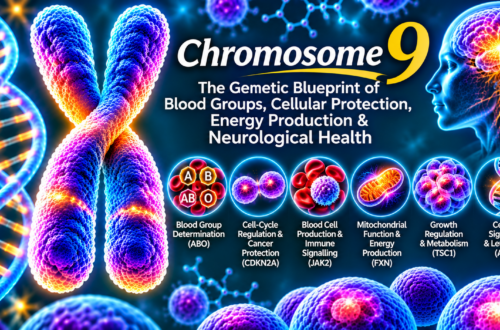
Chromosome 9: The Genetic Blueprint of Blood Groups, Cellular Protection, Energy Production & Neurological Health

Chromosome X: The Genetic Blueprint of Brain Function, Immunity, Hormones, Muscle Health & Human Development
-
Chromosome 1: Exploring the Largest Human Chromosome, Its Genes, Functions & Influence on Human Health
Understanding the genetic blueprint behind cellular function, immunity, brain health, metabolism and human development. Chromosome 1 is the largest chromosome in the human genome and contains thousands of genes involved in some of the body’s most important biological processes. From regulating cellular activity and supporting immune function to influencing neurological development and metabolism, the genes located on Chromosome 1 contribute to the complex biological systems that keep us alive. But what makes Chromosome 1 so significant? And what happens when variations, mutations or structural changes affect the genetic information it carries? Let’s explore the fascinating world of Chromosome 1 and its role in human biology. 1. What Is Chromosome 1?…