Blog
-
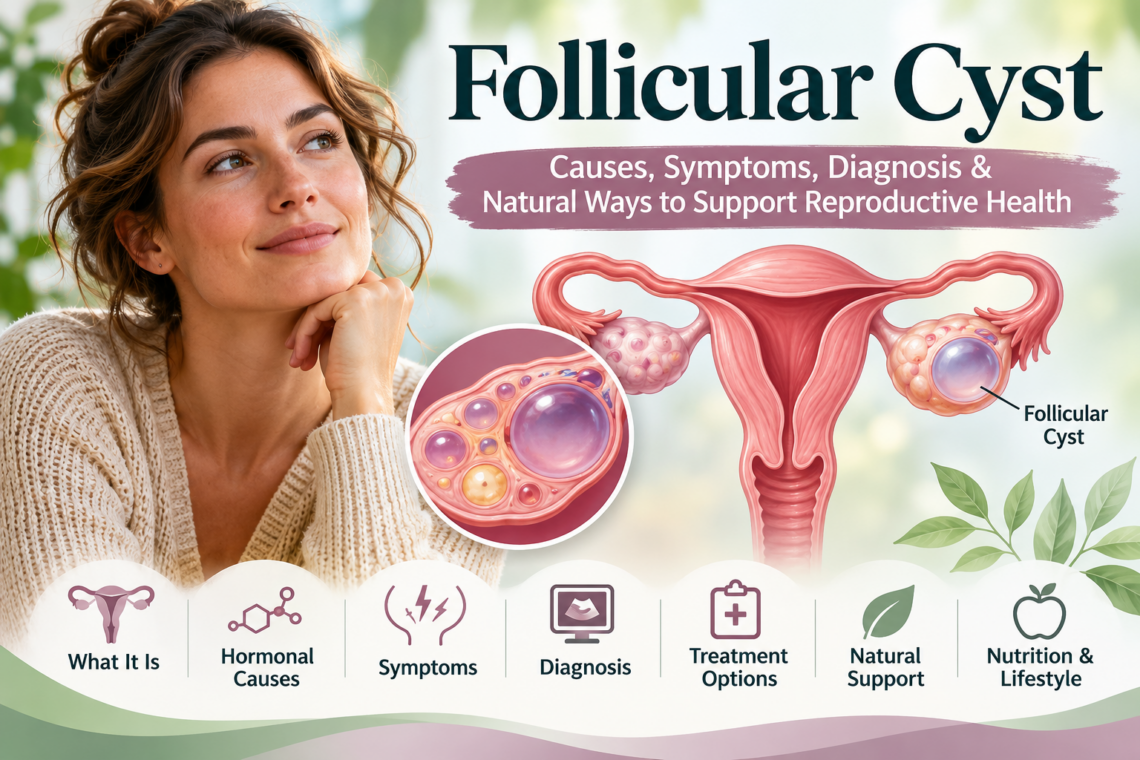
Follicular Cysts: Understanding Their Causes, Symptoms, Diagnosis & Natural Ways to Support Reproductive Health
Understanding how follicular cysts develop, why they occur, and how to support the body’s natural hormonal and reproductive balance. Follicular cysts are among the most common types of ovarian cysts. They develop as part of the menstrual cycle when a small fluid-filled sac, known as a follicle, does not release its egg as expected. Although discovering an ovarian cyst can be worrying, most follicular cysts are harmless, temporary and resolve naturally without medical intervention. However, understanding why these cysts develop, how hormones influence their formation, and which symptoms to look out for can help women make informed decisions about their reproductive health. In this article, we explore follicular cysts from…
-
The Leaky Gut Friendly Diet: Nourishing Your Gut and Supporting Intestinal Health
Introduction: Your Gut Health Starts With What You Eat Have you ever wondered why digestive discomfort, bloating, food sensitivities, fatigue and even skin problems seem to occur together? Your digestive system does far more than simply break down food. The intestinal tract plays an important role in nutrient absorption, immune function, communication with the nervous system and maintaining a protective barrier between the contents of your intestines and your bloodstream. One term that has gained considerable attention in gut health discussions is Leaky Gut Syndrome, also known as increased intestinal permeability. The intestinal lining naturally allows nutrients, water and electrolytes to pass into the bloodstream while helping prevent unwanted substances…
You May Also Like

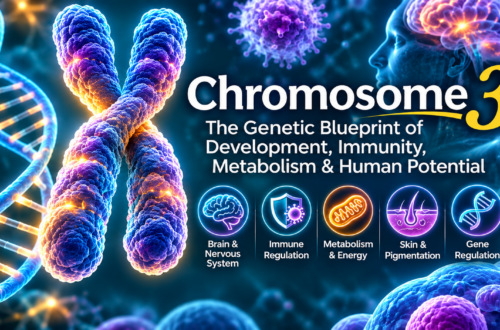
Chromosome X: The Genetic Blueprint of Brain Function, Immunity, Hormones, Muscle Health & Human Development
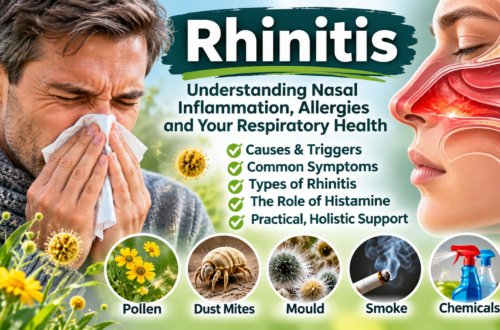
Rhinitis: Understanding Nasal Inflammation, Allergies and Your Respiratory Health

Chromosome 6: The Genetic Blueprint of Immunity, Inflammation, Brain Function & Cellular Recognition
-
Trapped Emotions: Understanding Their Hidden Impact on Your Health
How Unresolved Emotional Experiences Can Influence Your Mind, Nervous System and Physical Wellbeing Introduction Have you ever experienced a difficult period in your life, only to find that the emotional effects seem to linger long after the situation has passed? Perhaps you have experienced grief, disappointment, anger, fear, guilt, rejection or prolonged stress. You may believe you have moved on, yet certain situations still trigger strong emotional reactions. Sometimes, these experiences can even appear to influence how you feel physically. This brings us to the concept of trapped emotions. The term trapped emotions is commonly used in holistic wellness to describe unresolved emotional experiences that continue to influence a person’s…
-
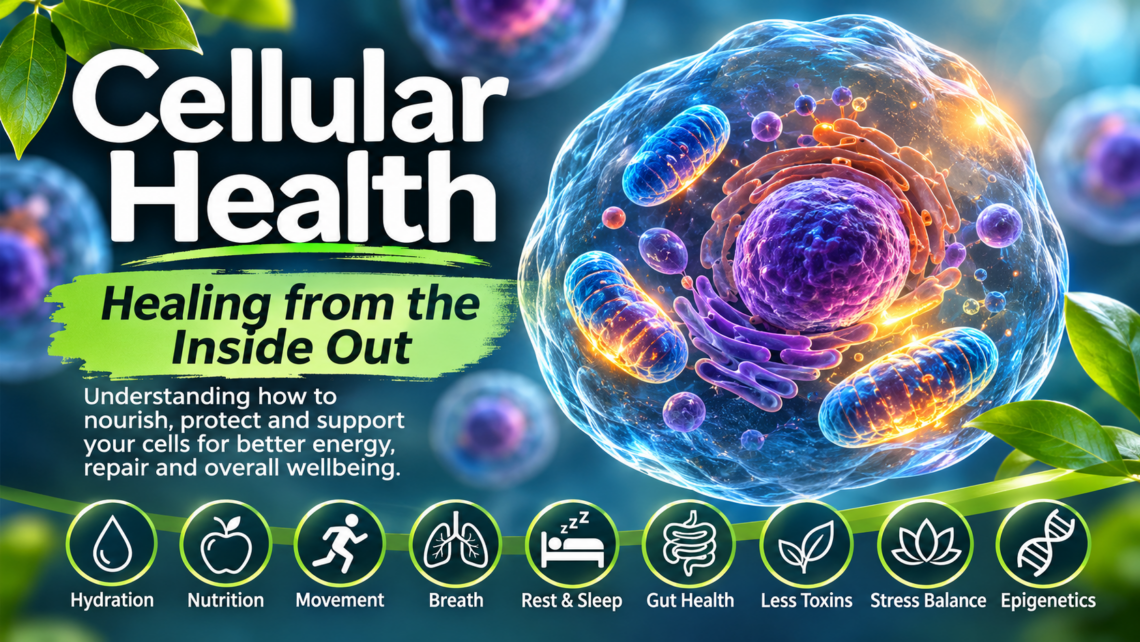
Cellular Health: Healing from the Inside Out
Understanding the foundations of cellular wellbeing and how everyday choices influence the body’s ability to repair, regenerate and thrive. Category: Holistic Health | Cellular Wellness | VitalPulse Introduction: Health Begins at the Cellular Level When we think about our health, we often focus on individual organs, symptoms or physical conditions. We think about our heart, liver, digestive system, muscles and immune system as separate parts of the body. But beneath all these systems lies something much smaller and incredibly important: the cell. The human body is made up of trillions of cells, each performing specialised functions that keep us alive. These microscopic structures are responsible for producing energy, repairing damaged…
-
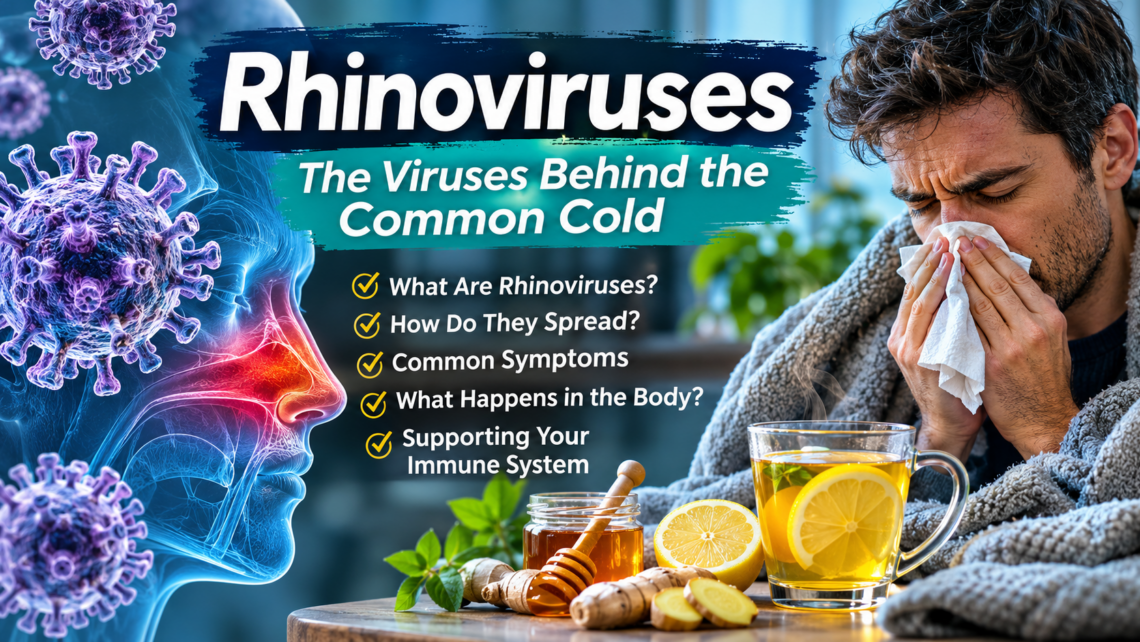
Rhinoviruses: Understanding the Viruses Behind the Common Cold
Have you ever experienced a runny nose, persistent sneezing, nasal congestion, a scratchy throat or an irritating cough that seems to appear out of nowhere? One of the most common causes of these symptoms is a group of viruses known as rhinoviruses. Rhinoviruses are responsible for a significant proportion of common colds worldwide. Although infections are generally mild and resolve naturally, these viruses can sometimes contribute to more serious respiratory complications, particularly in young children, older adults and people with underlying respiratory conditions. Understanding how rhinoviruses work, how they spread and how the immune system responds can help us make better decisions about our respiratory health. 1. What Are Rhinoviruses?…
-
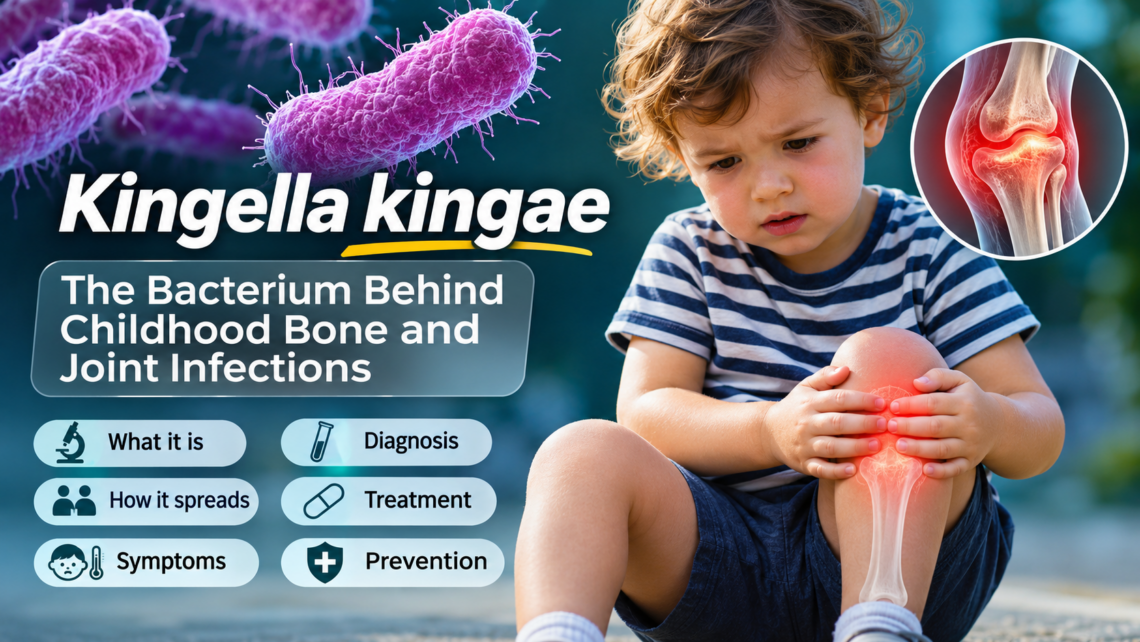
Kingella kingae: Understanding the Bacterium Behind Childhood Bone and Joint Infections
Kingella kingae is a type of bacterium that can live harmlessly in the human throat but, under certain circumstances, can enter the bloodstream and cause infections elsewhere in the body. Although it is often overlooked, it is an important cause of bone and joint infections in young children, particularly those under four years of age. Understanding how this bacterium spreads, what symptoms it can cause, and how infections are diagnosed and treated can help parents and caregivers recognise when medical attention is needed. 1. What Is Kingella kingae? Kingella kingae is a Gram-negative bacterium belonging to the Neisseriaceae family. It is a small, rod-shaped organism that can colonise the upper…
-
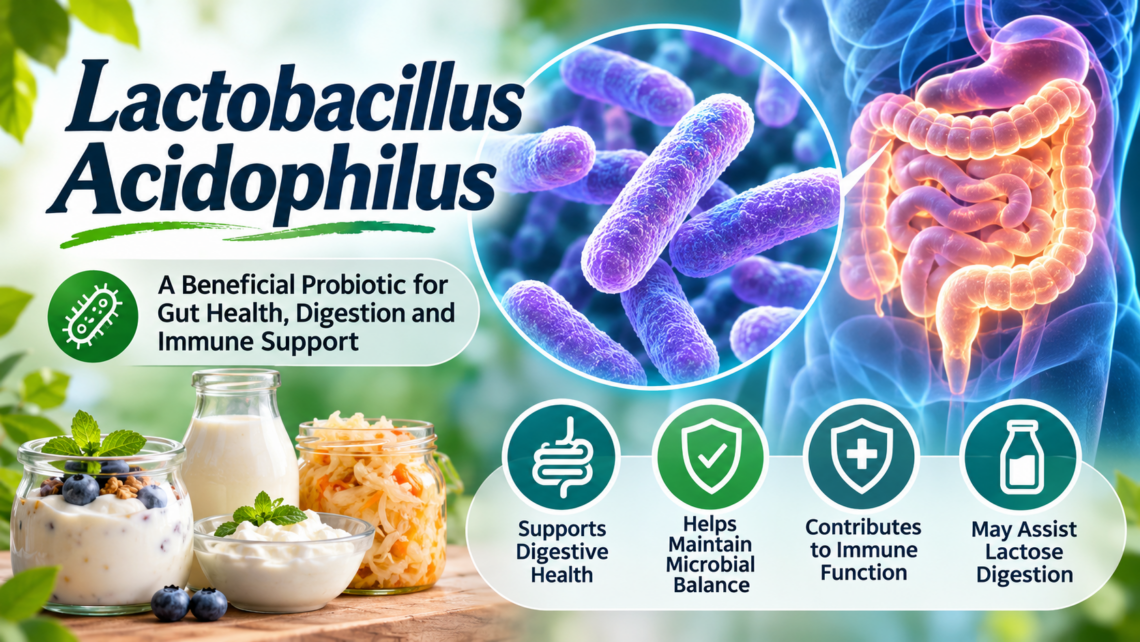
Lactobacillus Acidophilus: Understanding Its Role in Gut Health, Digestion and Immune Function
The human digestive system is home to trillions of microorganisms, including bacteria, fungi and other microbes. Together, these organisms form what is known as the gut microbiome. While some microorganisms can contribute to disease, many play essential roles in maintaining digestive balance, supporting immune function and helping the body process nutrients. One of the best-known beneficial bacteria is Lactobacillus acidophilus. This naturally occurring microorganism is associated with the human gastrointestinal tract and is also used in fermented foods and probiotic supplements. But what exactly does Lactobacillus acidophilus do? How does it support gut health, and why is it frequently included in probiotic formulations? Let’s explore. 1. What Is Lactobacillus Acidophilus?…
You May Also Like
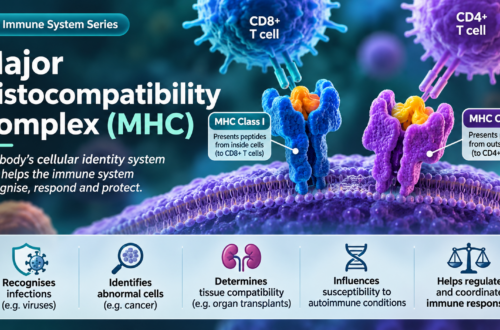
Major Histocompatibility Complex (MHC): Understanding the Body’s Cellular Identity and Immune Recognition System
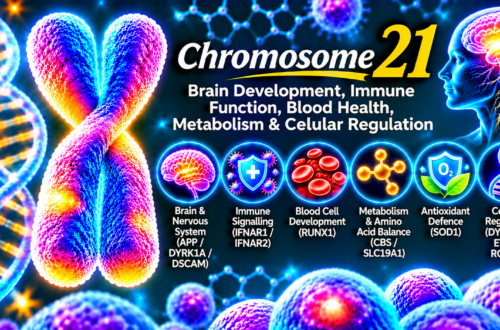
Chromosome 21 – The Genetic Blueprint of Brain Development, Immune Function, Blood Health, Metabolism & Cellular Regulation
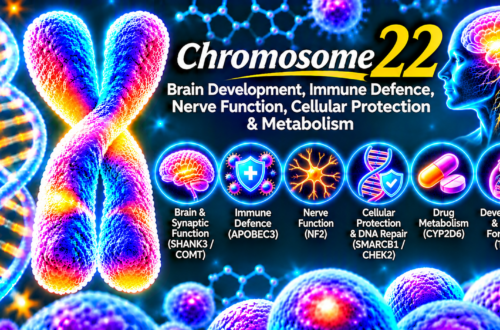
Chromosome 22 – The Genetic Blueprint of Brain Development, Immune Defence, Nerve Function, Cellular Protection & Metabolism
-
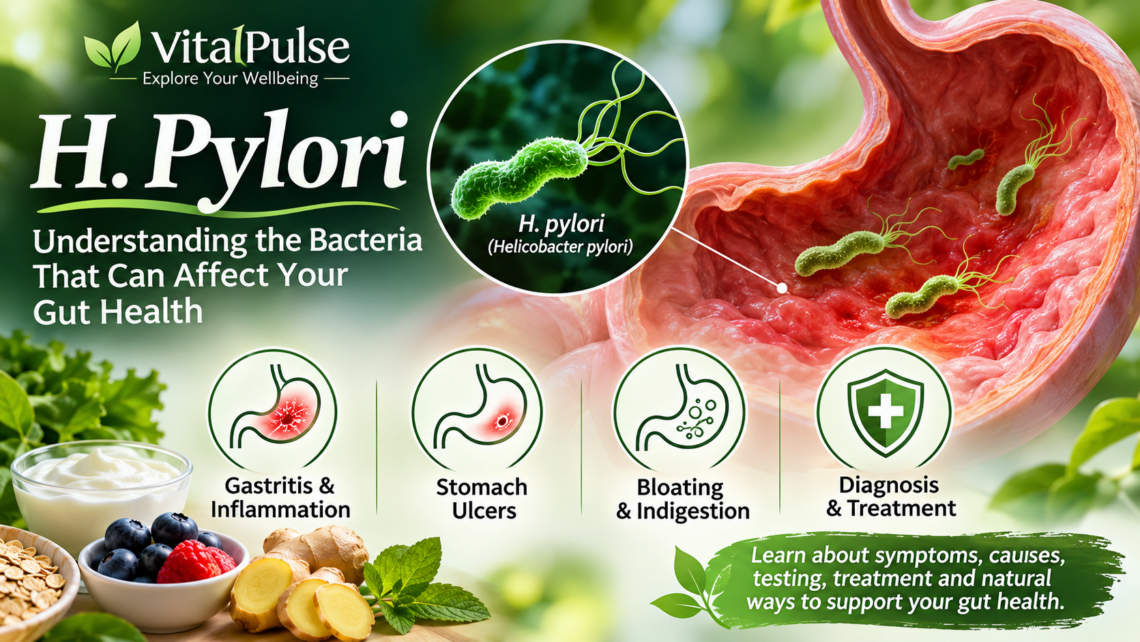
Helicobacter Pylori: Understanding the Bacteria that can Affect Your Gut Health
Introduction Your digestive system plays an essential role in your overall health and wellbeing. When something disrupts the delicate balance of the stomach, it can lead to symptoms such as bloating, excessive burping, abdominal discomfort, nausea and heartburn. One possible contributor to these digestive problems is Helicobacter pylori (H. pylori), a spiral-shaped bacterium that can live in the stomach lining. H. pylori is one of the most common bacterial infections worldwide. Many people carry the bacteria without experiencing noticeable symptoms, while others develop inflammation of the stomach lining, stomach ulcers and, in some cases, more serious complications. Understanding H. pylori, how it spreads, how it affects digestion and how it…
You May Also Like
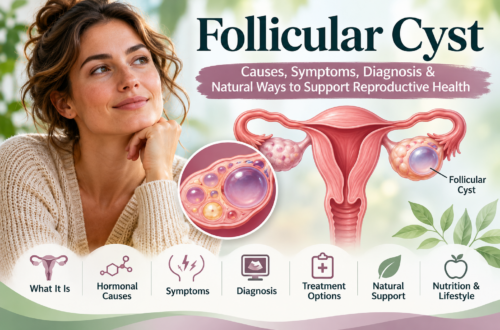
Follicular Cysts: Understanding Their Causes, Symptoms, Diagnosis & Natural Ways to Support Reproductive Health
Rhinitis: Understanding Nasal Inflammation, Allergies and Your Respiratory Health
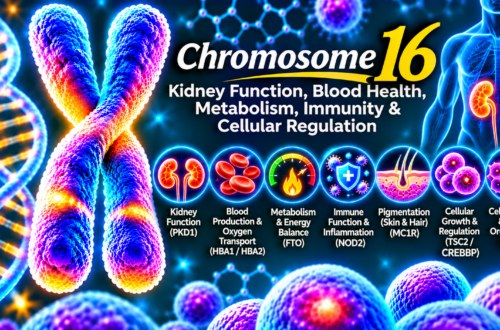
Chromosome 16 – The Genetic Blueprint of Kidney Function, Blood Health, Metabolism, Immunity & Cellular Regulation
-
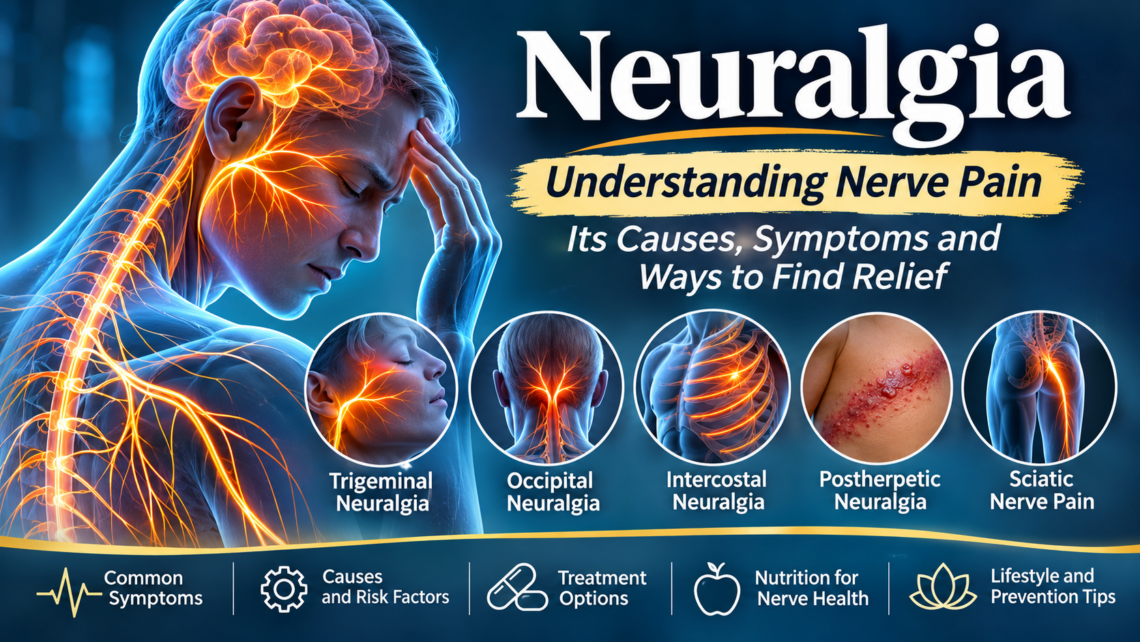
Neuralgia: Understanding Nerve Pain, Its Causes, Symptoms and Ways to Find Relief
Neuralgia is a type of pain that originates from irritated, damaged or malfunctioning nerves. Unlike ordinary muscular or joint pain, neuralgia develops along the pathways of the nervous system and can produce sensations ranging from sharp electric shocks to burning, stabbing, tingling or persistent aching. For some people, the pain appears suddenly and disappears just as quickly. For others, it becomes a recurring or chronic condition that interferes with sleep, concentration, movement and everyday activities. Understanding neuralgia is an important first step towards identifying its underlying cause and exploring appropriate treatment options. 1. What Is Neuralgia? Neuralgia refers to pain that occurs along the course of a nerve or within…
-
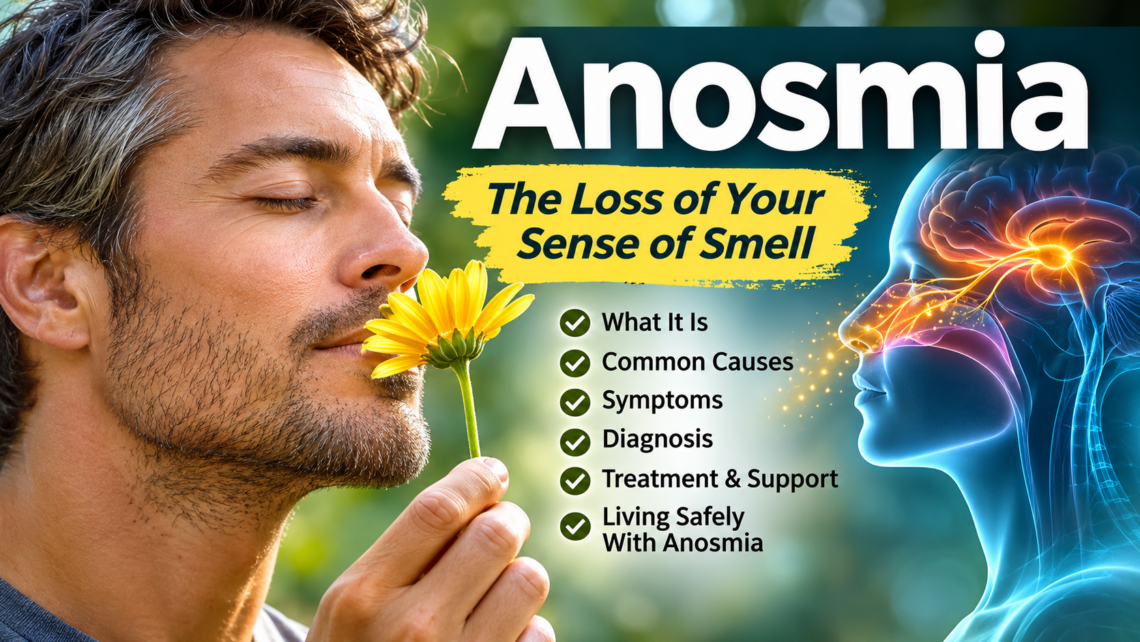
Anosmia: Understanding the Loss of Your Sense of Smell
Understanding the causes, symptoms, diagnosis and ways to support your olfactory health. Introduction Imagine waking up in the morning and being unable to smell your coffee, freshly prepared food, flowers or the familiar scents around your home. For someone living with anosmia, this is an everyday reality. Anosmia is the medical term for the complete loss of the sense of smell. Although it may initially seem like a minor inconvenience, our ability to smell plays an important role in everyday life. It influences how we experience food, helps us recognise potential dangers and contributes to our memories, emotions and overall quality of life. Anosmia can develop suddenly or gradually. In…
You May Also Like
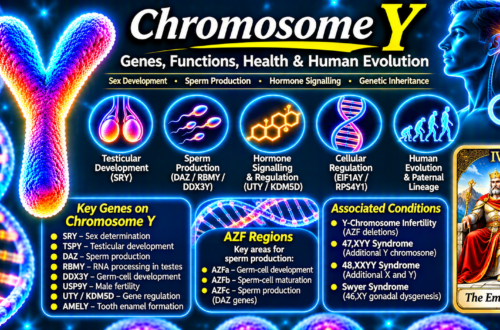
Chromosome Y: The Genetic Blueprint of Sex Development, Sperm Production, Hormone Signalling & Human Evolution
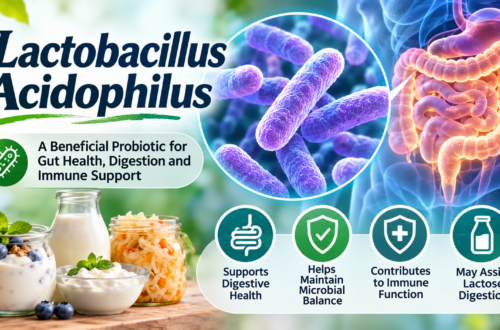
Lactobacillus Acidophilus: Understanding Its Role in Gut Health, Digestion and Immune Function
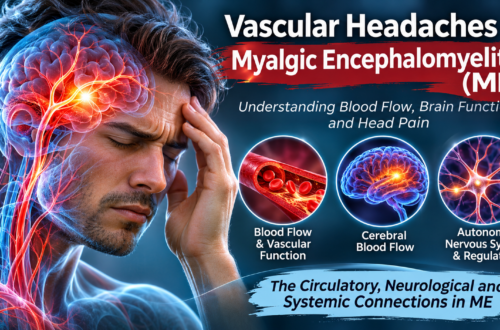
Vascular Headaches in Myalgic Encephalomyelitis (ME): Understanding Blood Flow, Brain Function and Head Pain