Blog
-
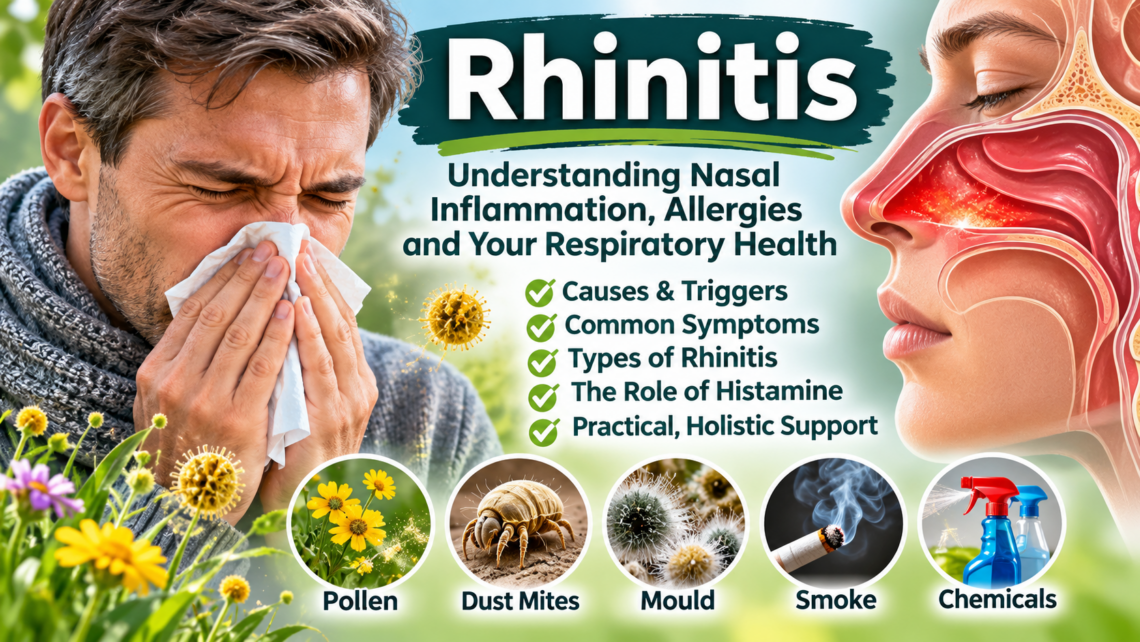
Rhinitis: Understanding Nasal Inflammation, Allergies and Your Respiratory Health
Understanding why your nose becomes irritated, congested or runny – and what you can do to support better nasal health. Introduction A constantly blocked nose, frequent sneezing, an itchy sensation inside the nostrils or a persistent runny nose can be more than just an inconvenience. For many people, these symptoms are part of a condition known as rhinitis. Rhinitis is the inflammation or irritation of the mucous membranes lining the inside of the nose. It can affect people of all ages and may be triggered by allergens, environmental irritants, infections, hormonal changes and other underlying factors. Although rhinitis is often associated with seasonal allergies, not every case is allergy-related. Understanding…
-
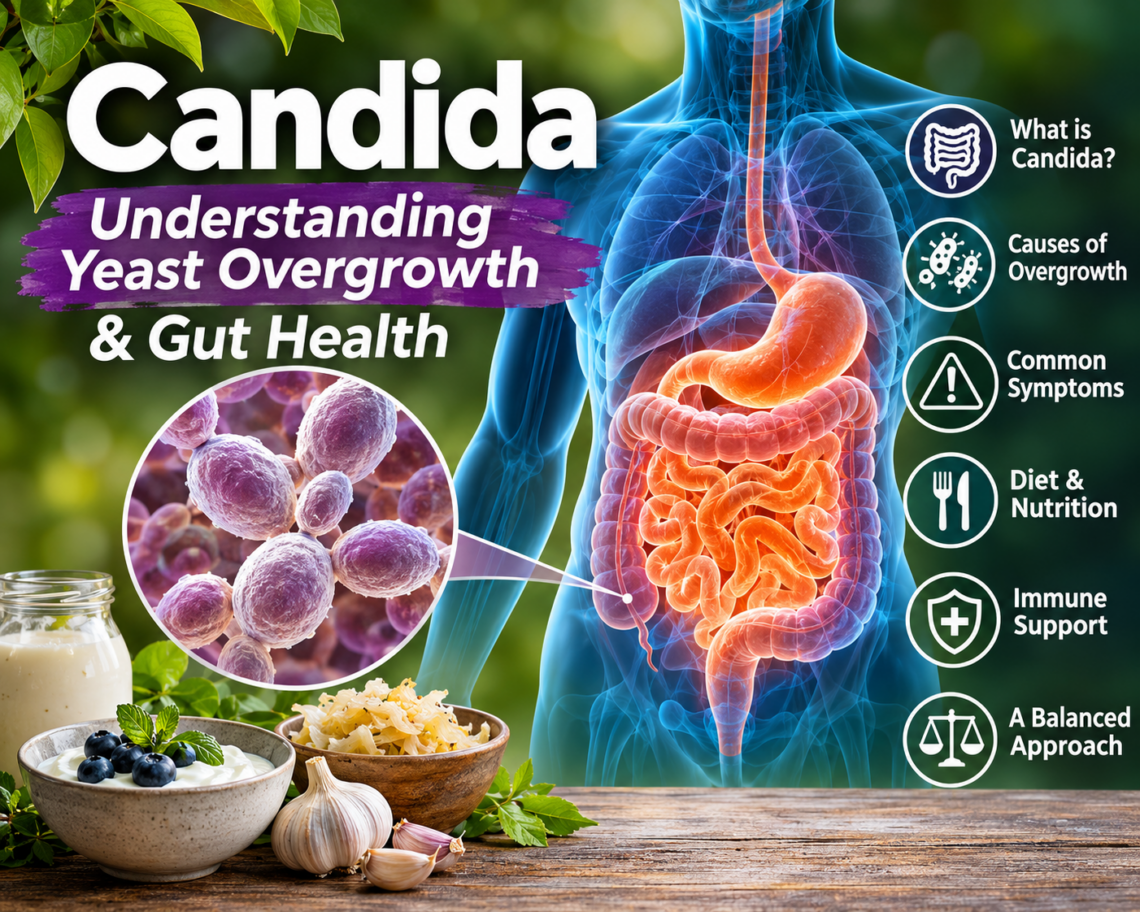
Candida: Understanding Yeast Overgrowth, Gut Health & Microbial Balance
VitalPulse | Explore Your Wellbeing Reconnect. Reflect. Realign. Introduction: The Hidden World of Candida Our bodies are home to trillions of microorganisms, including bacteria, fungi and other microscopic organisms. Together, they form a complex ecosystem known as the microbiome. Most of the time, these organisms coexist in a delicate balance, supporting digestion, immune function and the health of our skin and mucous membranes. One of these organisms is Candida, a naturally occurring yeast that lives in various parts of the human body. Under normal circumstances, Candida does not cause problems. However, when conditions allow certain Candida species to multiply excessively or invade surrounding tissue, they can cause an infection known…
-
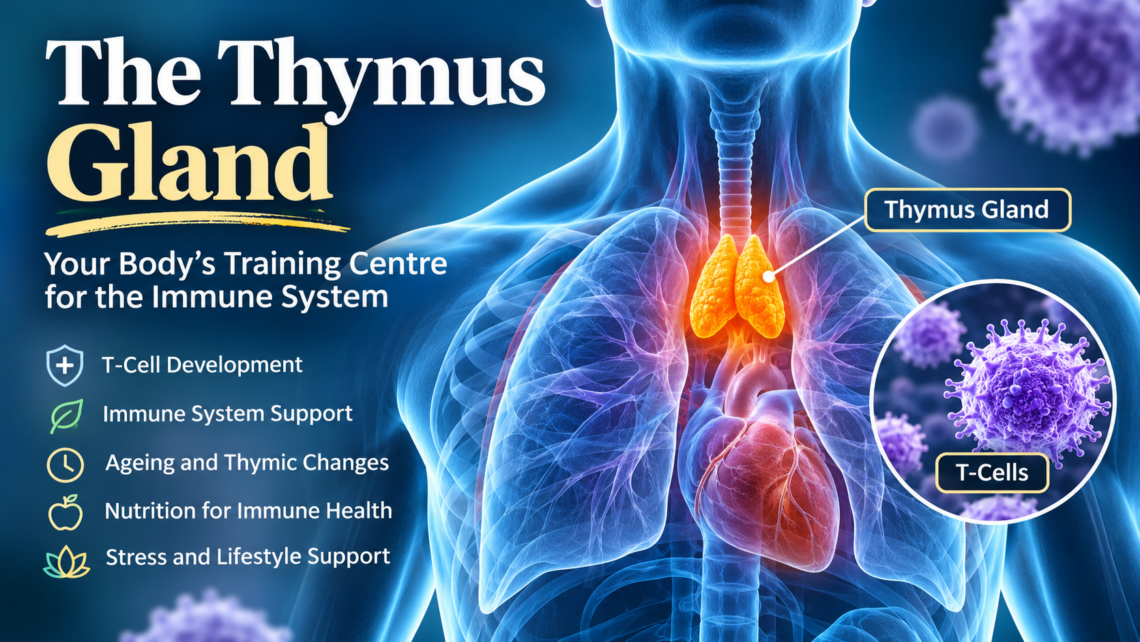
The Thymus Gland: Your Body’s Training Centre for the Immune System
Understanding the thymus, its role in immune health, T-cells, stress, ageing and how to support your body’s natural defence system. Introduction Hidden behind your breastbone, just above your heart, is a small but remarkably important organ that plays a major role in your immune system: the thymus gland. Although relatively small and often overlooked, the thymus is essential for developing one of the most important components of your immune defence system – T-lymphocytes, commonly known as T-cells. These specialised white blood cells help your body recognise harmful invaders, coordinate immune responses and distinguish between your own healthy tissues and potentially dangerous foreign substances. The thymus is particularly active during childhood…
You May Also Like
Chromosome 9: The Genetic Blueprint of Blood Groups, Cellular Protection, Energy Production & Neurological Health
Follicular Cysts: Understanding Their Causes, Symptoms, Diagnosis & Natural Ways to Support Reproductive Health

Moringa & Blood Sugar Support: Exploring the Potential Benefits of the Miracle Tree
-
Food & Monosodium Glutamate (MSG): Understanding Monosodium Glutamate, Its Effects on the Body & How to Make Informed Food Choices
Introduction: What’s Really in Your Food? Have you ever eaten a packet of flavoured chips, instant noodles, takeaway food or a processed snack and wondered why it tastes so savoury, rich and satisfying? One possible ingredient responsible for that distinctive flavour is Monosodium Glutamate (MSG). MSG is one of the most widely used flavour enhancers in the food industry. It gives food a characteristic savoury taste known as umami – often described as the fifth basic taste, alongside sweet, sour, salty and bitter. But MSG has also attracted considerable controversy. Some people report headaches, flushing, thirst, nausea or other symptoms after eating foods containing it, while others consume it regularly…
-
Cluster Headaches: Understanding the Pain, Triggers, Treatment and Natural Support
Cluster headaches are often described as one of the most painful types of headaches a person can experience. Unlike ordinary tension headaches or even many migraines, cluster headaches involve sudden, extremely intense attacks of pain, typically concentrated around one eye or one side of the head. They can occur in recurring patterns, sometimes several times a day, over weeks or months. For people living with this condition, the unpredictability, intensity and disruption to everyday life can be physically and emotionally exhausting. Understanding what cluster headaches are, why they occur, what may trigger them and how to manage them is an important step towards improving quality of life. In this practical…
You May Also Like
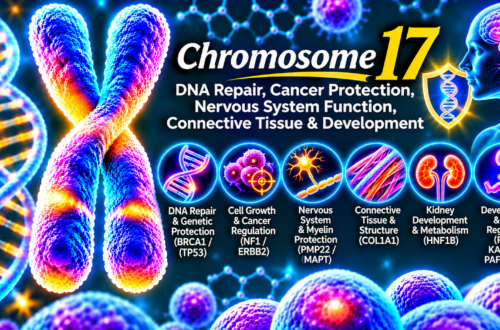
Chromosome 17 – The Genetic Blueprint of DNA Repair, Cancer Protection, Nervous System Function, Connective Tissue & Development
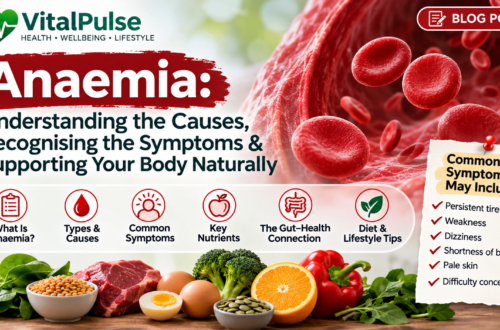
Anaemia: Understanding the Causes, Recognising the Symptoms & Supporting Your Body Naturally
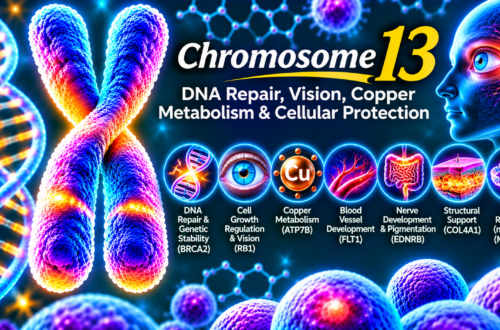
Chromosome 13: The Genetic Blueprint of DNA Repair, Vision, Copper Metabolism & Cellular Protection
-
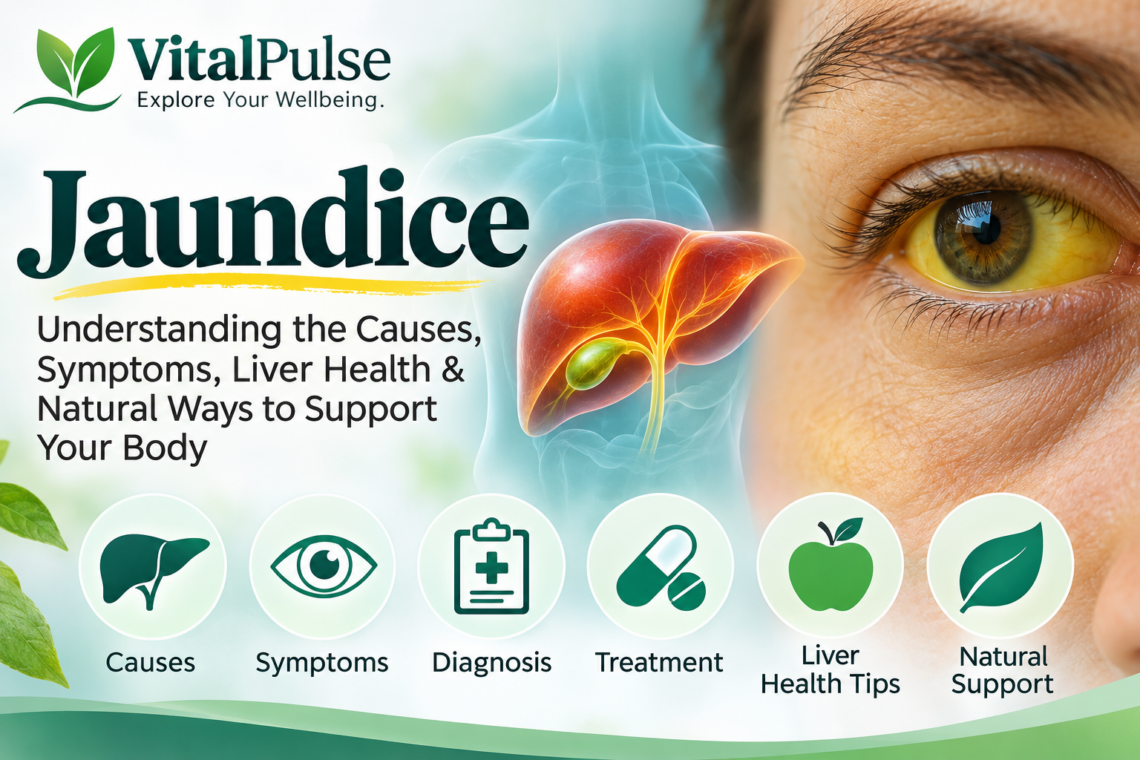
Jaundice: Understanding the Causes, Symptoms, Liver Health & Natural Ways to Support Your Body
Introduction: What Is Jaundice? Have you ever noticed someone’s skin or the whites of their eyes turning yellow? This condition is known as jaundice, and it is often a visible sign that something is affecting the body’s ability to process and eliminate bilirubin. Jaundice is not a disease itself. Rather, it is a symptom that develops when bilirubin builds up in the bloodstream. Bilirubin is a yellow-orange pigment produced naturally when the body breaks down old or damaged red blood cells. Under normal circumstances, the liver processes bilirubin and helps eliminate it through bile, which eventually leaves the body through the digestive system. However, when this process is disrupted, bilirubin…
-
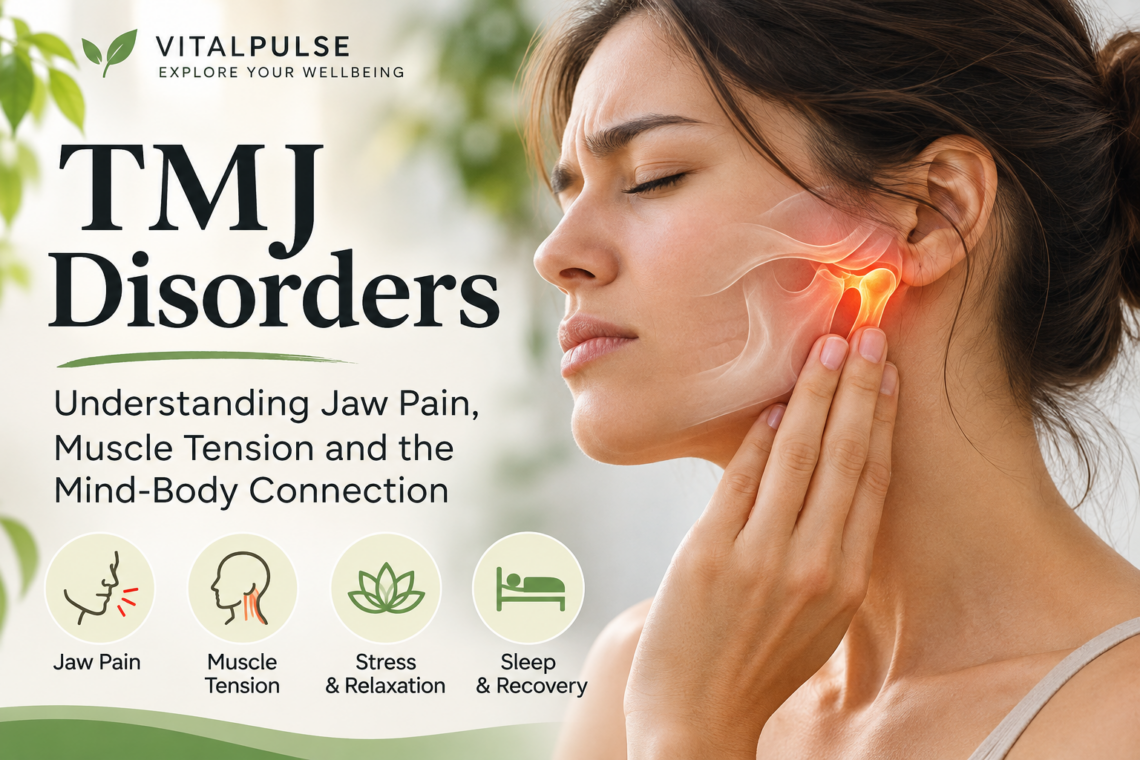
TMJ Disorders: Understanding Jaw Pain, Muscle Tension and the Mind-Body Connection
TMJ Disorders: Your jaw does much more than help you chew and speak. It is connected to an intricate network of muscles, nerves, joints and surrounding structures that influence how you move, breathe, sleep and experience physical tension. Jaw clicking, facial pain, headaches, neck stiffness and even discomfort around the ears can sometimes be associated with a condition known as Temporomandibular Joint Disorder (TMD). Understanding how the jaw works, what contributes to dysfunction and how to support your body naturally can be an important step towards improving your overall wellbeing. Let’s explore the relationship between the jaw, muscles, nervous system and everyday habits. 1. What Is the Temporomandibular Joint (TMJ)?…
-
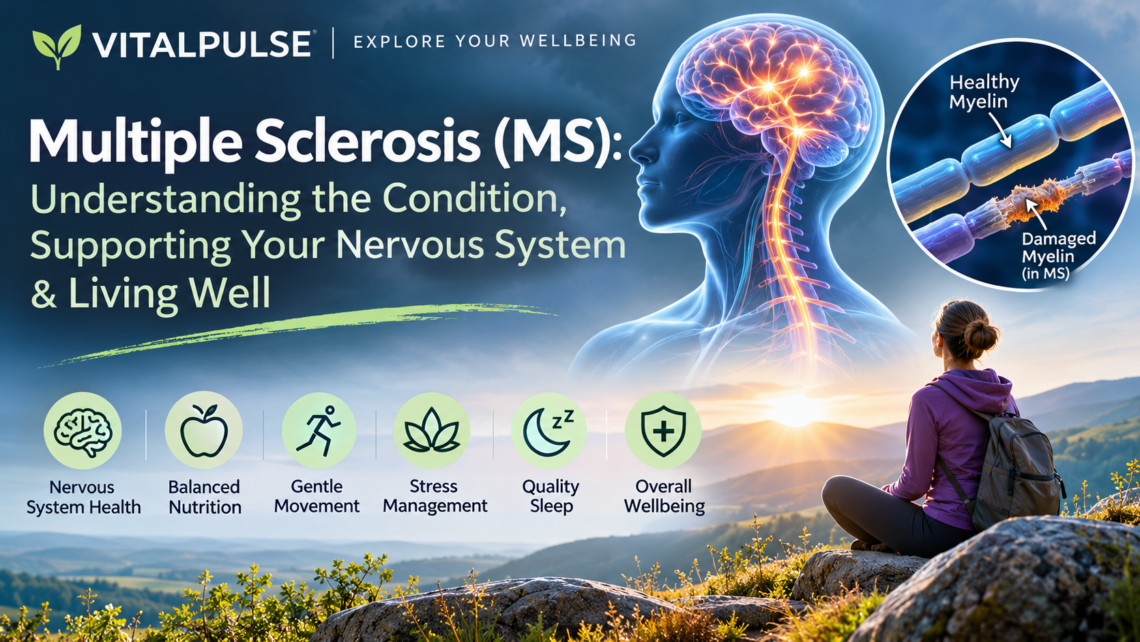
Multiple Sclerosis (MS): Understanding the Condition, Supporting Your Nervous System & Living Well
Introduction: When the Nervous System Comes Under Attack Our nervous system is one of the most remarkable communication networks in the human body. Every movement, sensation, thought and physical response depends on messages travelling between the brain, spinal cord and the rest of the body. But what happens when this communication network becomes disrupted? Multiple Sclerosis (MS) is a chronic, immune-mediated disease that affects the central nervous system (CNS), which consists of the brain and spinal cord. It can interfere with the protective covering of nerve fibres, known as myelin, disrupting the transmission of electrical signals throughout the body. For some people, MS causes relatively mild symptoms that develop gradually.…
-
Chronic Fatigue Syndrome (ME/CFS): Understanding the Condition, Supporting Your Body & Finding a Way Forward
Introduction: When Tiredness Becomes Something More We all experience tiredness. A demanding day at work, emotional stress, poor sleep or physical activity can leave us feeling exhausted. Usually, a good night’s sleep and some rest help us recover. But what happens when the exhaustion never really goes away? What happens when even simple activities such as showering, preparing a meal, walking to the shops or concentrating on a conversation leave you completely drained? This is the reality for people living with Chronic Fatigue Syndrome (CFS), also known as Myalgic Encephalomyelitis (ME) or ME/CFS. ME/CFS is a complex, long-term condition that affects multiple systems in the body. It can influence energy…
You May Also Like

Kingella kingae: Understanding the Bacterium Behind Childhood Bone and Joint Infections

Cellular Health: Simple Ways to Nourish, Protect and Enhance Your Cells

Chromosome 15 – The Genetic Blueprint of Brain Function, Appetite Regulation, Connective Tissue, Pigmentation & Cellular Communication
-
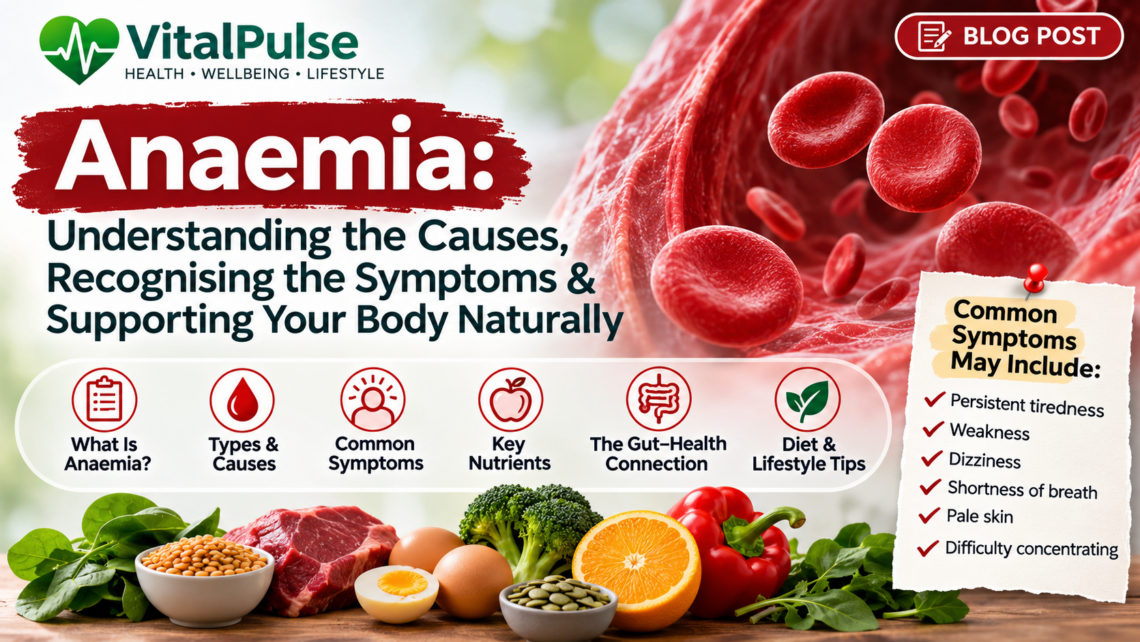
Anaemia: Understanding the Causes, Recognising the Symptoms & Supporting Your Body Naturally
Your blood plays a vital role in keeping every cell in your body alive, nourished and functioning. It transports oxygen, supports energy production, helps regulate body temperature and carries essential nutrients throughout the body. When you develop anaemia, your blood cannot deliver oxygen to your tissues as effectively as it should. This can leave you feeling exhausted, weak, dizzy and physically drained, even when you think you are getting enough rest. Anaemia is one of the most common nutritional and blood-related health conditions worldwide. However, it is important to understand that anaemia is not a disease in itself. It is often a sign that something else is affecting your body’s…
You May Also Like
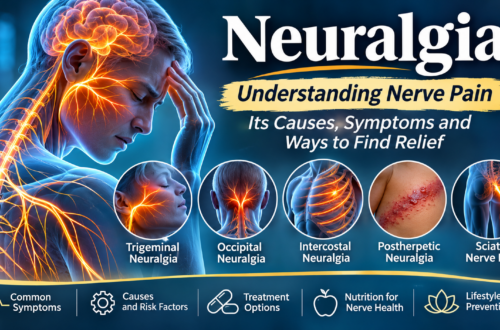
Neuralgia: Understanding Nerve Pain, Its Causes, Symptoms and Ways to Find Relief

Chromosome X: The Genetic Blueprint of Brain Function, Immunity, Hormones, Muscle Health & Human Development
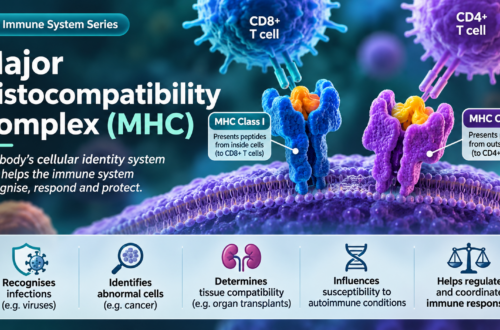
Major Histocompatibility Complex (MHC): Understanding the Body’s Cellular Identity and Immune Recognition System